
Use this page to compare process capability
This page is not a broad custom fabrication service article. It helps buyers check whether a factory can handle the full industrial route: cutting, bending, welding, finishing, QC and shipping without handing the problem to someone else.
This page has been separated from the industrial metal fabrication service article so Google and buyers can see the job of this article clearly. The useful question here is not “can someone make metal parts?” It is: what should a buyer check before sending drawings, approving a quote or moving into production?
- Confirm which processes are in-house and which are outsourced.
- Ask for examples of similar industrial panels, guards, frames or brackets.
- Check whether DFM feedback is included before the quote is frozen.
- Review QC evidence for dimensions after welding and finishing.
- Confirm export packing for finished surfaces and formed corners.
| 1 | Confirm which processes are in-house and which are outsourced. |
| 2 | Ask for examples of similar industrial panels, guards, frames or brackets. |
| 3 | Check whether DFM feedback is included before the quote is frozen. |
| 4 | Review QC evidence for dimensions after welding and finishing. |
| 5 | Confirm export packing for finished surfaces and formed corners. |
Industrial sheet metal parts without the sourcing drama
Industrial sheet metal parts must do more than look correct in a drawing. They need to fit, protect, support, survive vibration, and repeat across batches without turning every reorder into a detective story.
MSTFAB provides custom sheet metal fabrication for industrial parts based on customer drawings, 3D models and application requirements. We manufacture brackets, panels, frames, machine covers, cabinet shells, enclosures, chassis and welded assemblies for prototypes, low-volume production and repeat OEM orders.
One important note up front: MSTFAB manufactures the metal parts and enclosure shells. We do not supply finished electrical products, control systems, battery systems or complete machines. If your project needs the metal housing, formed panel, welded frame or cabinet body ready for your own integration, you are in the right place.
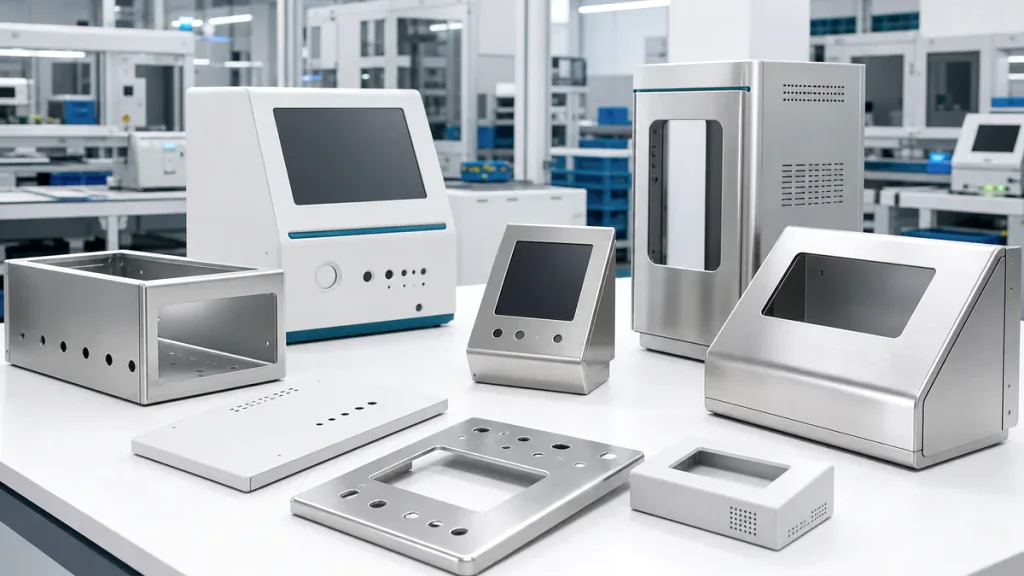
Industrial Sheet Metal Fabrication Capabilities
Most industrial parts are not made by one process. A useful part may start as a flat pattern, then move through cutting, bending, welding, surface finishing, hardware installation and inspection. MSTFAB keeps these steps connected so drawings, production notes and quality checks do not live in separate universes.
Fiber laser cutting for profiles, ventilation openings, mounting holes, access panels and flat patterns. See our laser cutting services.
CNC bending for brackets, housings, doors, flanges and structural panels where fit matters more than wishful thinking.
TIG and MIG welding for frames, cabinets, covers and support assemblies, with fixture planning for distortion control.
Powder coating, anodizing, brushing, grinding, passivation, hardware installation and export packing. Surface requirements can be reviewed through our surface treatment workflow.
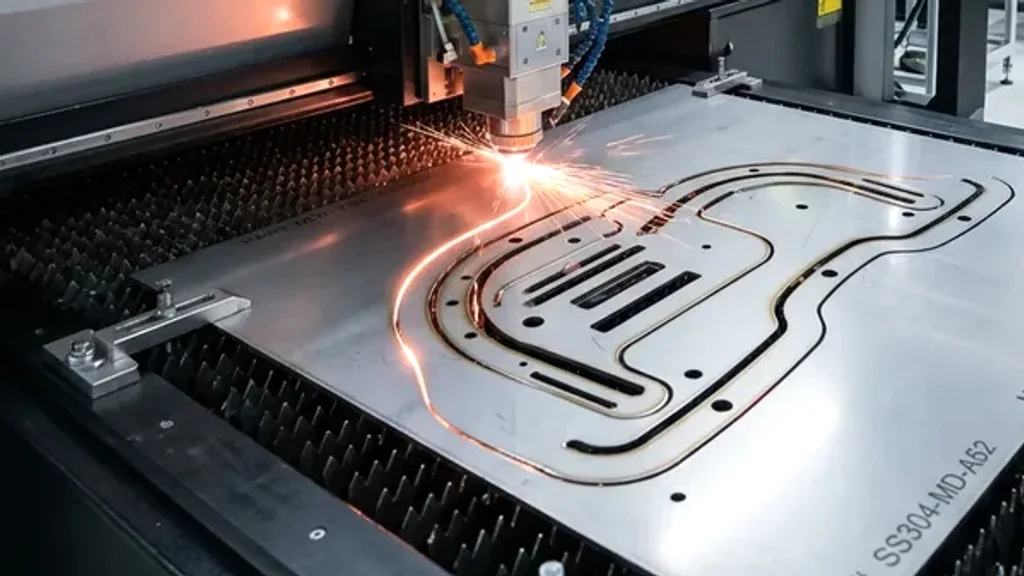
Typical operations include drilling, tapping, PEM hardware installation, deburring, grinding, mechanical assembly and dimensional inspection. For suitable features, CNC bending and controlled fabrication can often support tight local requirements such as +/-0.1 mm, but tolerance should always follow the part function. Tightening every dimension may make a drawing look serious; it can also make the quotation heavier than the part itself.
Materials for Industrial Parts
Material selection affects strength, corrosion resistance, weight, weldability, surface finish and total cost. MSTFAB commonly works with cold-rolled steel, SPCC carbon steel, galvanized steel, SGCC steel, stainless steel 304, stainless steel 316, aluminum 5052, aluminum 6061, copper and brass.
Cold-rolled steel is widely used for indoor machinery, equipment frames, control boxes and powder-coated cabinets. Galvanized steel is useful for utility components, internal structures and industrial equipment panels where corrosion protection matters. Stainless steel 304 fits many industrial and clean-environment applications, while 316 may be selected for moisture, chemicals or harsher outdoor conditions. Aluminum is often chosen when lower weight and corrosion resistance are part of the job.
If you are unsure, send the operating environment, load, finish requirement and target cost. A material conversation early is much cheaper than discovering too late that the “small cover” actually lives near moisture, chemicals or daily vibration.
Design for Manufacturability Review
A part can look perfect in CAD and still be expensive, slow or awkward to manufacture. Before cutting material, MSTFAB reviews drawings for bend radius, bend relief, hole-to-edge distance, hole-to-bend distance, welding access, tooling access, PEM hardware locations, coating buildup, grounding surfaces and assembly sequence.
Examples are simple. Holes placed too close to a bend can distort. Long welds can pull panels out of shape. Inserts hidden inside narrow channels can become difficult to install or inspect. Coating thickness around hinges, threaded holes or tight sliding areas can create assembly pain later.
No drawing change should be made without customer approval. The purpose of DFM is not to redesign your product behind your back. It is to flag the areas where manufacturing reality may raise its hand and say, “about that…”
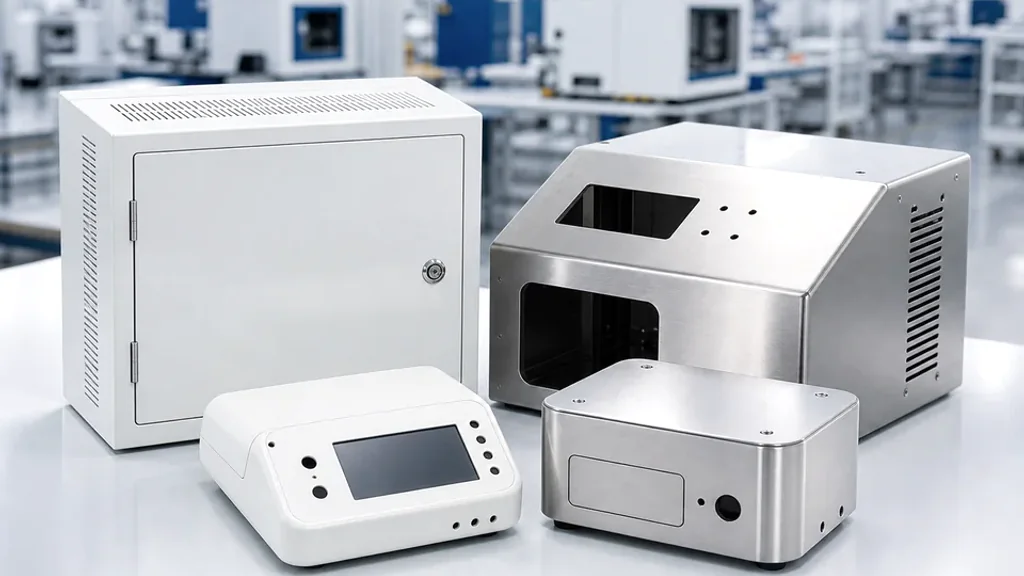
Prototype and Low-Volume Production
Prototypes help engineers and procurement teams verify the design before larger quantities. A prototype can check overall dimensions, hole alignment, bend direction, mounting positions, door movement, component clearance, welding quality, surface appearance, hardware installation and assembly fit.
Whenever possible, prototypes are produced using materials and methods close to the intended production process. This gives the buyer a better reference for repeat orders and avoids the classic trap where the sample is beautiful but impossible to scale without a small miracle.
Low-volume manufacturing is also suitable for specialized machinery, automation equipment, test systems, product launches and replacement parts. After approval, manufacturing notes, inspection points and finishing requirements can be retained for repeat production.
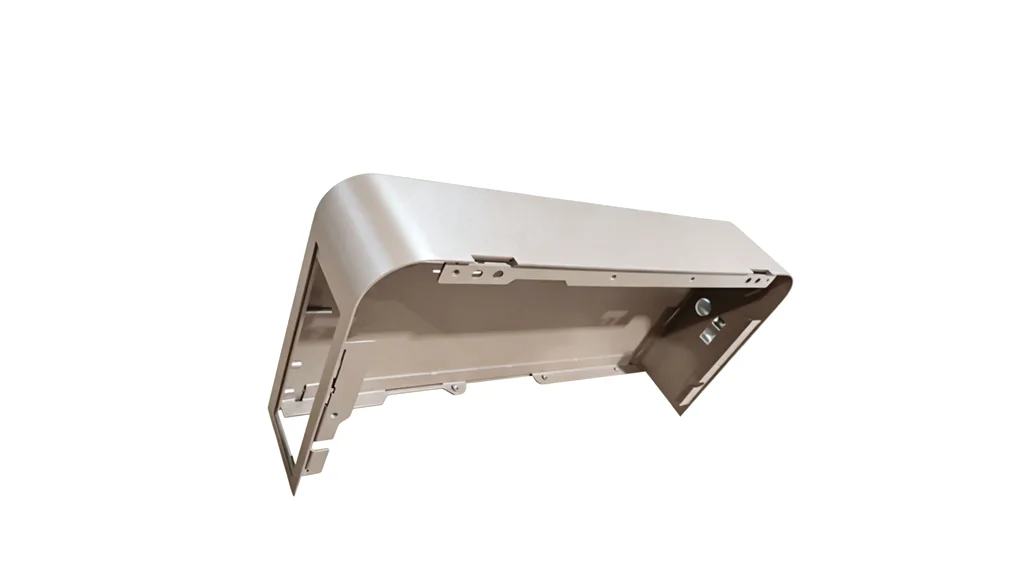
Welding and Fabricated Assemblies
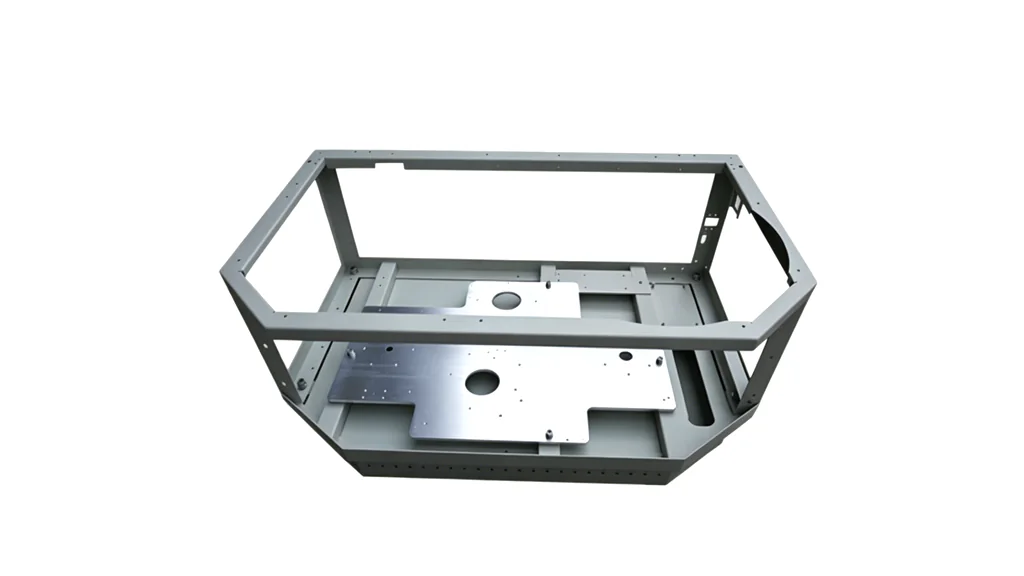
Many industrial parts require welding to create rigid frames, cabinet bodies, tanks, covers and support structures. Welding quality depends on more than a tidy bead. Joint design, fixture control, heat input, weld sequence and final inspection all affect the finished assembly.
For cosmetic parts, buyers should identify visible surfaces and specify whether welds should remain visible, be smoothed or be fully blended. For structural parts, weld size, position and mechanical requirements should be clearly marked on the drawing.
MSTFAB plans welded assemblies around joint strength, distortion control, fixture needs, grinding requirements, visible and hidden surfaces, and final assembly dimensions.
Quality Control and Buyer Trust
Quality control starts before production. MSTFAB checks drawing version, material grade, sheet thickness, critical dimensions, general tolerances, finish notes, welding symbols, hardware specifications, inspection requirements and packing requirements.
During production, parts may be inspected after cutting, bending, welding, finishing and assembly. Inspection methods can include caliper measurement, height gauge inspection, angle measurement, thread inspection, welding inspection, surface inspection, coating inspection, assembly verification and CMM measurement when required.
| Buyer concern | How MSTFAB reduces the risk | What to provide |
|---|---|---|
| Parts fit in CAD but not on the machine | DFM review of bend direction, hole position, mating surfaces and assembly clearance before production. | 2D drawings plus STEP/STP files and notes for critical fit areas. |
| Different batches look or fit differently | Approved samples, retained production notes and defined inspection points for repeat OEM orders. | Revision control, target quantity and any known batch-to-batch requirements. |
| Surface finish causes assembly trouble | Masking, grounding surfaces, thread protection and coating thickness are reviewed before finishing. | Color, gloss, texture, coating thickness and surfaces that must stay conductive or tight. |
| Export shipment arrives scratched or twisted | Foam separation, corner protection, pallet planning and export packing checks for sensitive parts. | Destination, packing preference and any parts that cannot touch during transport. |
Industrial Applications
MSTFAB supports automation equipment, electrical control systems, telecommunications, EV charging equipment, energy storage systems, agricultural machinery, medical equipment, packaging machinery, testing equipment, food processing equipment, material handling equipment and industrial electronics.
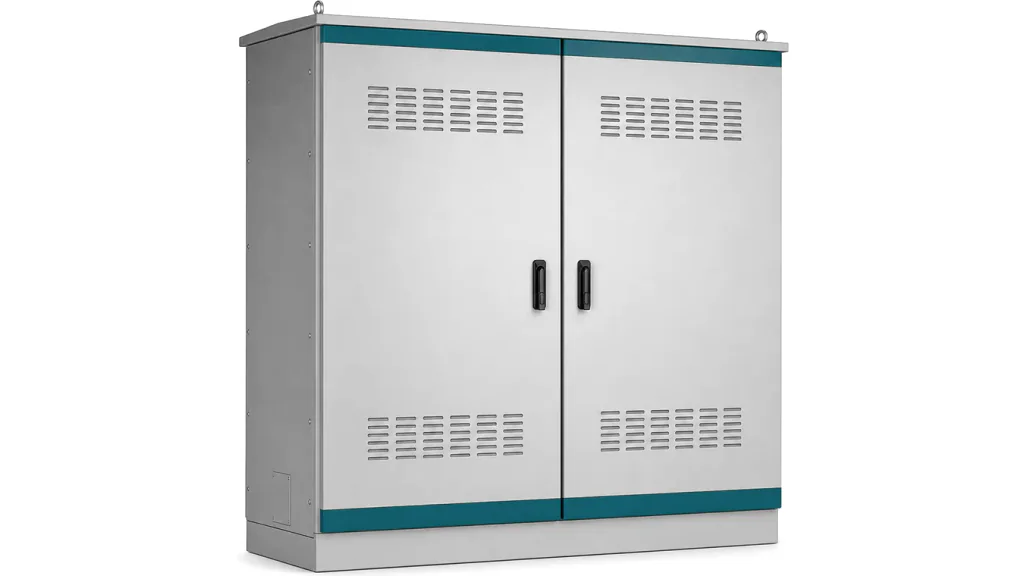
Typical parts include machine guards, equipment covers, mounting brackets, control panels, electrical cabinet shells, sheet metal enclosures, operator console housings, welded frames, base plates, access doors, internal partitions and structural supports. For enclosure-heavy projects, see our industrial enclosure fabrication, distribution board enclosure shells and operator console enclosure manufacturing pages.
Different applications need different priorities. Machine guards may focus on strength, safety and service access. Electrical enclosure shells may require accurate cutouts, controlled door gaps and reliable grounding points. Outdoor equipment may require drainage, sealing and corrosion-resistant materials. Customer-facing equipment may need tighter cosmetic standards because nobody wants a premium machine wearing a bargain-bin cover.
Lead Time and Quotation Information
Lead time depends on material availability, quantity, part complexity, welding, finishing and assembly requirements. Many custom industrial projects can be completed within approximately 7-15 days after drawing confirmation and material readiness. Complex welded assemblies, special material grades, custom coating colors, large quantities, detailed inspection reports and multi-part assemblies may require more time.
For an accurate quotation, please provide 2D drawings in PDF, DWG or DXF format, 3D STEP or STP files, material grade and thickness, quantity, surface finish, critical tolerances, welding requirements, hardware specifications, inspection requirements and delivery destination.
A 3D file alone may not include tolerances, threads, finish specifications or inspection standards. Providing both 2D and 3D files helps reduce assumptions. Assumptions are fine for weekend plans; they are less charming in manufacturing.
If dimensional records are required, review our dimensional inspection report guidance before sending the RFQ.
Request a Quote
Send MSTFAB your drawings, quantity, material and finishing requirements. Our team will review the files, confirm the manufacturing process and identify missing information before production begins.
Whether you need a prototype, a small industrial batch or repeat OEM production, MSTFAB can provide custom sheet metal parts and enclosure shells ready for your installation and assembly.
 WeChat Contact
 WhatsApp Me Directly