
What is the step-by-step process for importing custom sheet metal parts from China?
Importing custom sheet metal from China involves a structured 7-stage procurement protocol: (1) Prepare a complete engineering RFQ data package (3D STEP AP242 + 2D GD&T drawings), (2) Vet and audit direct contract manufacturers (validating 18-digit USCC business licenses and ISO 9001 certifications), (3) Execute pre-production DFM reviews and approve Mill Test Reports (MTR) for raw material authenticity, (4) Stage a progressive prototype and First Article Inspection (AS9102 FAIR) sign-off before mass production, (5) Classify correct Harmonized System (HS/HTS) customs codes (Chapter 73 for steel, Chapter 76 for aluminum) to calculate import duties and trade remedies, (6) Negotiate favorable Incoterms (typically FOB for volume ocean freight or DDP for hassle-free door delivery), and (7) Enforce ISPM-15 heat-treated export crating with desiccant vapor barriers to prevent maritime corrosion.
For international OEMs and hardware startups, importing custom fabricated sheet metal components from China unlocks substantial unit cost savings, faster tooling lead times, and seamless volume scalability. However, successfully navigating overseas manufacturing requires understanding cross-border logistics, customs documentation, and quality governance. Following a disciplined procurement roadmap ensures your sheet metal chassis, panels, and welded assemblies arrive on schedule, on budget, and fully compliant with engineering prints.
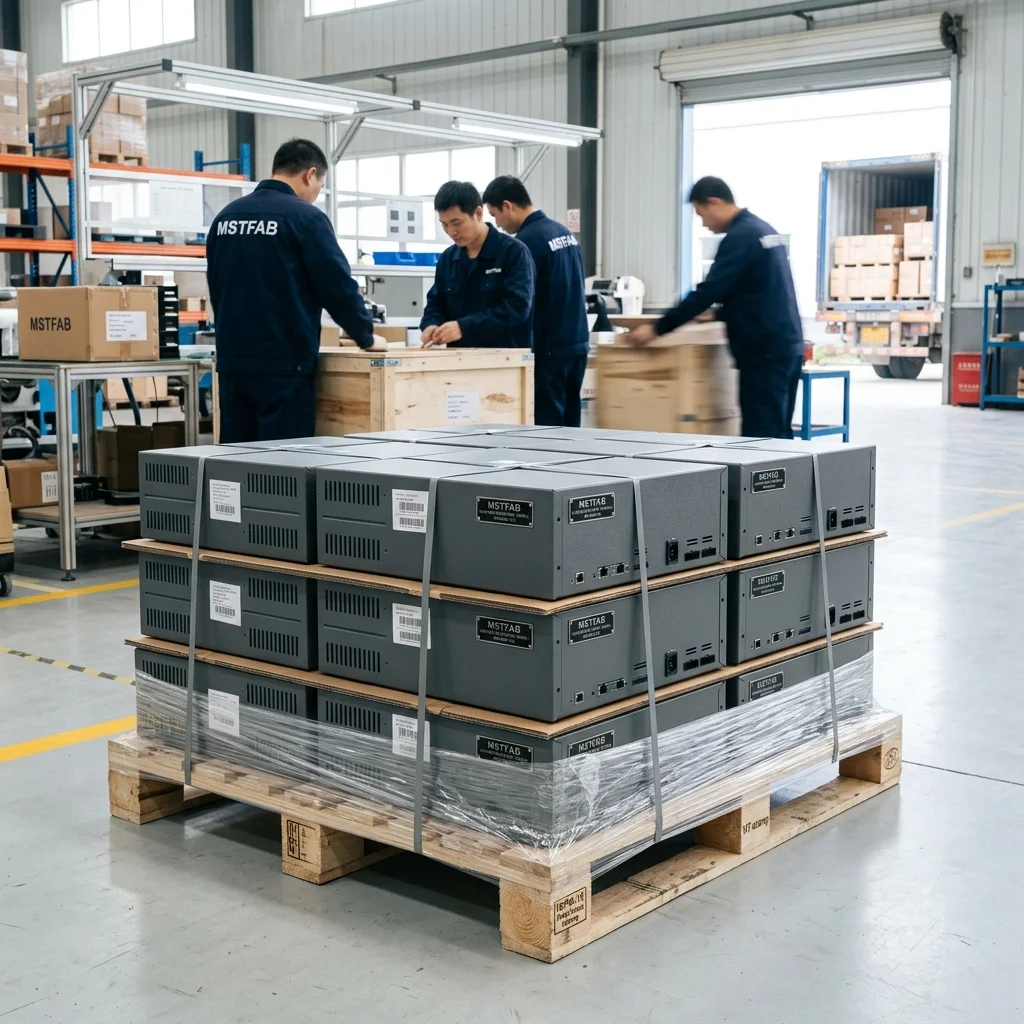
The 7-Stage China Sheet Metal Import Playbook
1. Building an Unambiguous Engineering RFQ Package
Successful importing begins with flawless technical documentation. Overseas suppliers cannot infer design intent from brief email descriptions. Provide paired 3D CAD solid models (STEP AP242) for CAM laser nesting and 2D PDF drawings defining critical GD&T datums, thread callouts, hardware part numbers (e.g., PEM CLS-M4-2), and surface finish codes (RAL color, gloss %, and ASTM B117 salt spray ratings).
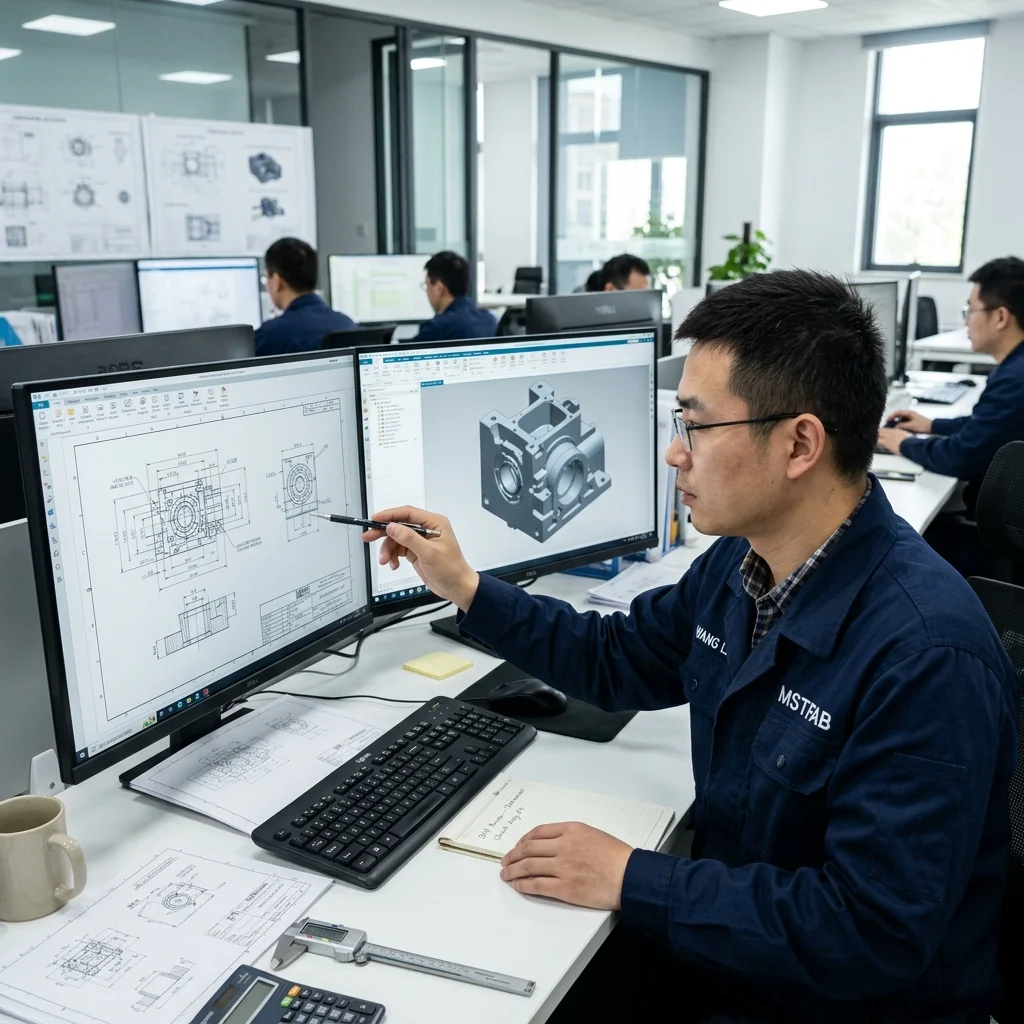
2. Supplier Verification: Direct Factory vs. Trading Broker
Verify whether your supplier owns physical factory assets or is simply brokering orders across third-tier job shops. Request their 18-digit Unified Social Credit Code (USCC) and confirm that their registered business scope explicitly includes “metal manufacturing and processing” (生产、加工金属制品). Insist on live video audits showing CNC fiber lasers, press brakes, and powder coating lines in active operation.
3. Material Traceability & Chemical Certification
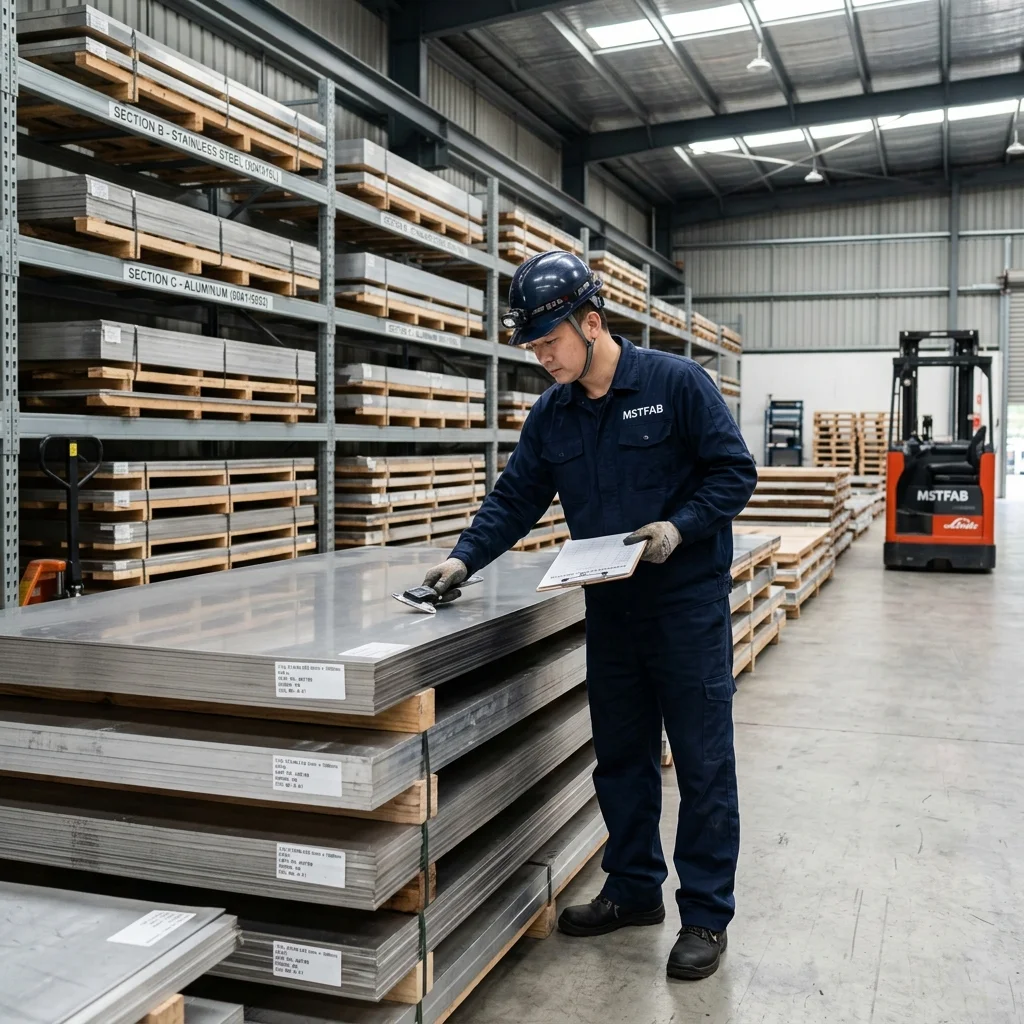
Prevent raw material substitution by demanding Mill Test Reports (MTR) prior to cutting. Leading Chinese fabricators verify coil thickness with digital micrometers and use handheld XRF spectrometers to confirm that stainless steel contains specified chromium and nickel percentages (e.g., min 8.0% Ni for 304 SS) before loading laser towers.
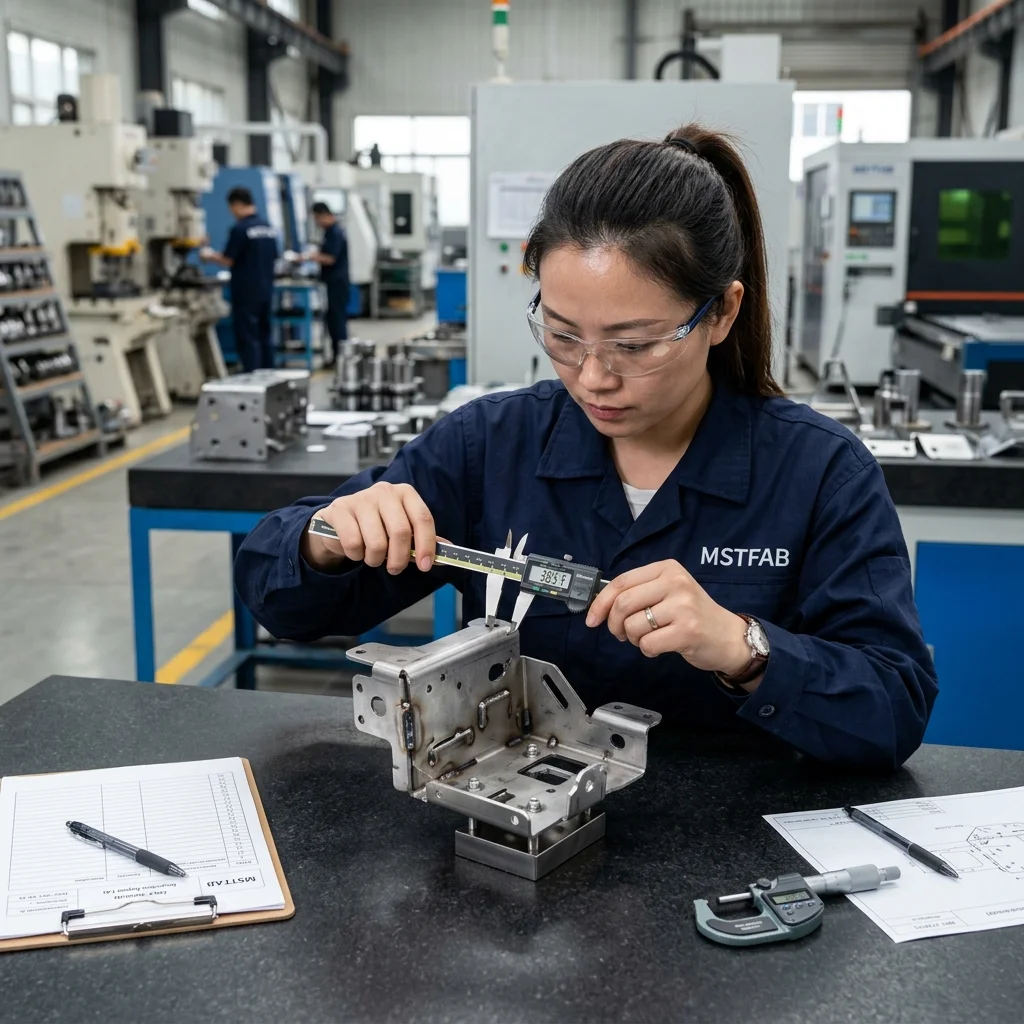
4. Prototype Validation & AS9102 First Article Inspection (FAIR)
Never authorize volume production on a verbal guarantee. Execute a formal three-gate release: (1) Prototype batch (5–10 pcs) for physical fitment testing, (2) AS9102 First Article Inspection Report (FAIR) with ballooned drawing dimensions measured via coordinate measuring machine (CMM), and (3) Production sign-off only after all Critical-to-Quality (CTQ) dimensions achieve 100% compliance.
5. Navigating Customs Tariffs (HS / HTS Codes)
Correct Harmonized System classification dictates customs clearance speed and duty rates. Common classifications include HTS 7326.90 (other articles of iron or steel), HTS 7616.99 (other articles of aluminum), or HTS 8538.10 (boards, panels, and enclosures for electrical apparatus). Work with a licensed customs broker to classify parts accurately and identify any applicable trade remedies or Section 301 tariffs.
6. Selecting the Optimal Incoterms Agreement
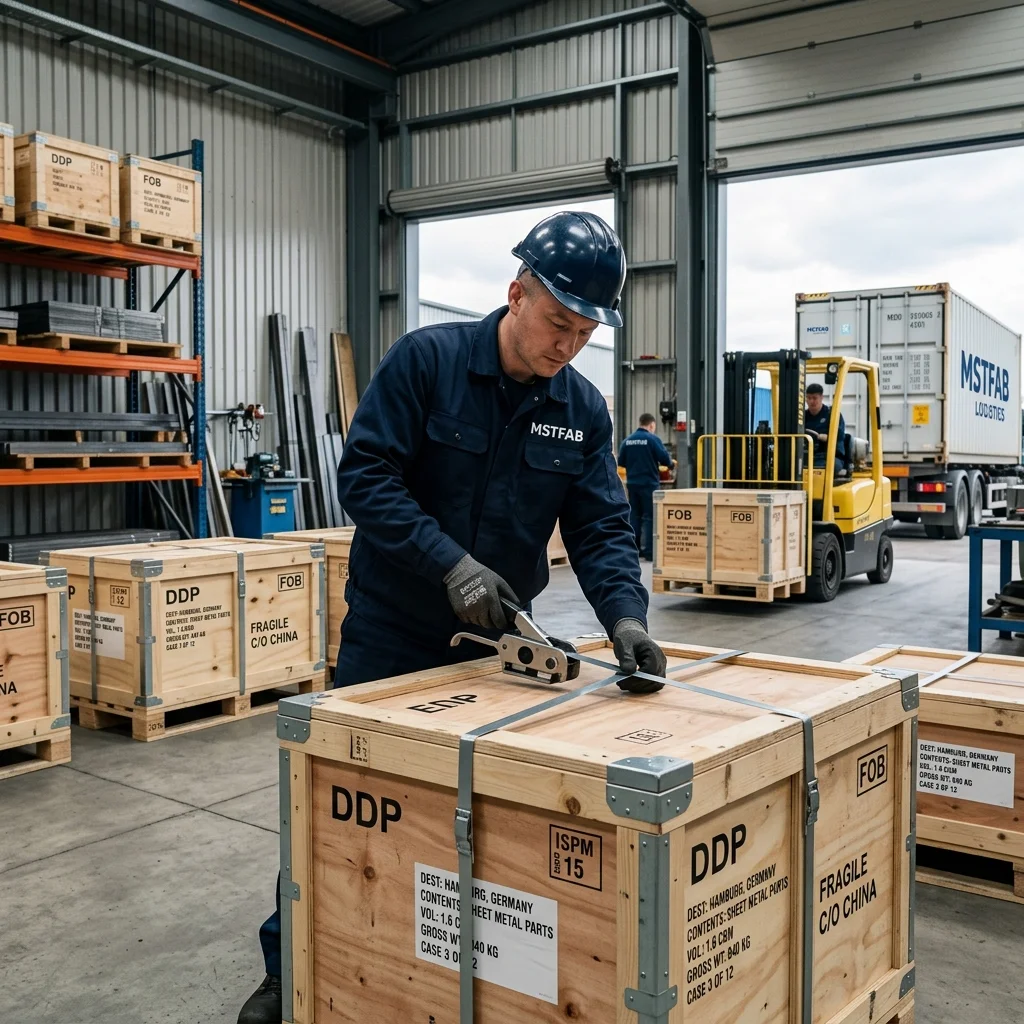
Define shipping responsibilities clearly. For experienced importers with corporate freight forwarder contracts, **FOB (Free on Board)** offers optimal control over ocean carrier rates and demurrage terms. For small-to-midsize OEMs or urgent NPI prototypes, **DDP (Delivered Duty Paid)** provides maximum convenience, where the supplier handles customs clearance, import duties, and final warehouse truck delivery under a single all-inclusive price.
7. Seaworthy Export Packaging & Ocean Freight Protection
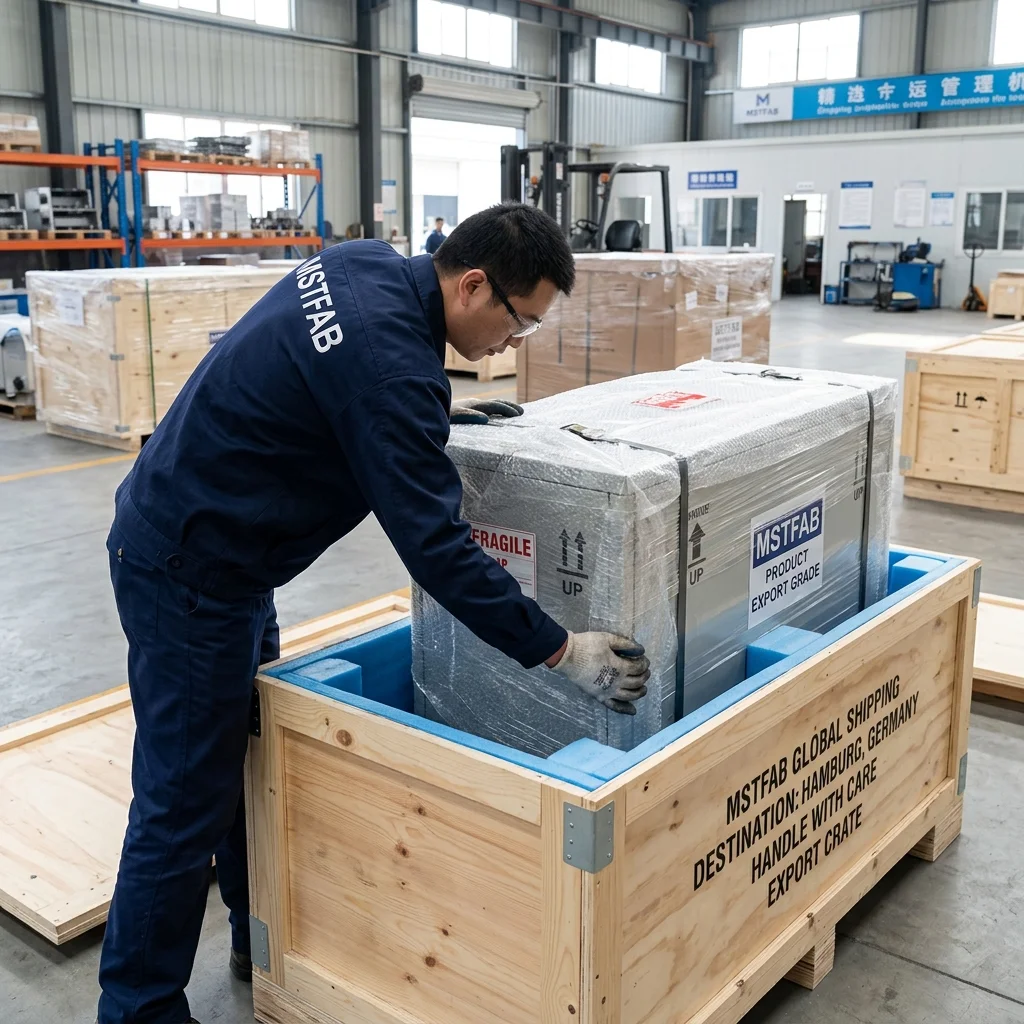
Maritime transport exposes metal parts to vibrations, stacking forces, and humid salt air. High-end Chinese fabricators build custom ISPM-15 certified heat-treated plywood crates lined with heavy shock-absorbing EPE foam, vapor-corrosion inhibitor (VCI) bagging, and industrial silica gel desiccants to guarantee parts arrive pristine.
China Sheet Metal Import Logistics & Incoterms Matrix
The reference matrix below outlines key logistics milestones, Incoterm allocations, and critical risk controls across the overseas procurement lifecycle:
| Import Stage | Key Milestone Deliverable | Recommended Incoterm / Protocol | Critical Buyer Risk Control |
|---|---|---|---|
| 1. RFQ & DFM Review | Synchronized 3D STEP + 2D PDF drawing package | Pre-PO Engineering SLA | Confirm bend deductions and tooling clearances in writing |
| 2. Raw Material Order | Certified Mill Test Reports (MTR) with heat lots | IQC Inspection Sign-off | Verify gauge thickness and alloy chemistry before cutting |
| 3. Prototype & Pilot FAI | AS9102 FAIR with CMM data & ballooned prints | Express Air Courier (DHL/FedEx) | Physical assembly fit-check prior to mass production release |
| 4. Production & Crating | ISPM-15 plywood crates, foam dividers, VCI barrier | Final Pre-Shipment Inspection (PSI) | Photographic verification of internal crate blocking & packing |
| 5. Ocean / Air Transit | Bill of Lading (B/L) / Air Waybill + Commercial Invoice | FOB (Buyer agent) or DDP (Turnkey) | Marine cargo insurance covering 110% CIF invoice value |
| 6. Customs Clearance | HS 7326 / 7616 / 8538 duty entry & tax release | Customs Broker Pre-Filing | Accurate part descriptions matching technical drawings |
Simplify Your Sheet Metal Imports with MSTFAB
MSTFAB is a direct precision sheet metal contract manufacturer serving OEM clients across North America, Europe, and Australia. We handle complete turnkey export logistics—from English DFM reviews and AS9102 FAIR reports to ISPM-15 crating and DDP door delivery. Contact our international trade engineering team to discuss your project.
 WeChat Contact
 WhatsApp Me Directly