
What is the standard procedure for handling non-conforming sheet metal parts?
The standard operating procedure for non-conforming sheet metal parts follows a 5-step quality protocol: (1) immediate physical isolation and serialized quarantine tagging to prevent floor mixing, (2) formal logging of a Non-Conformance Report (NCR) with photographic and CMM metrology data, (3) Material Review Board (MRB) disposition review (Scrap, Rework, Return to Vendor [RTV], or Use-As-Is), (4) issuing a contractual debit memo for financial recovery, and (5) mandating an audited 8D corrective action report before closing the non-conformance.
When an incoming lot of precision sheet metal brackets fails dimensional inspection or exhibits cosmetic paint blisters, passive handling creates operational chaos. Operators may attempt informal workbench hammering, suspect crates remain unlabelled on the receiving dock, and unauthorized parts slip into active production lines. A standardized Non-Conforming Material Control procedure isolates defective parts instantly, assigns financial accountability, and eliminates repeat manufacturing escapes.
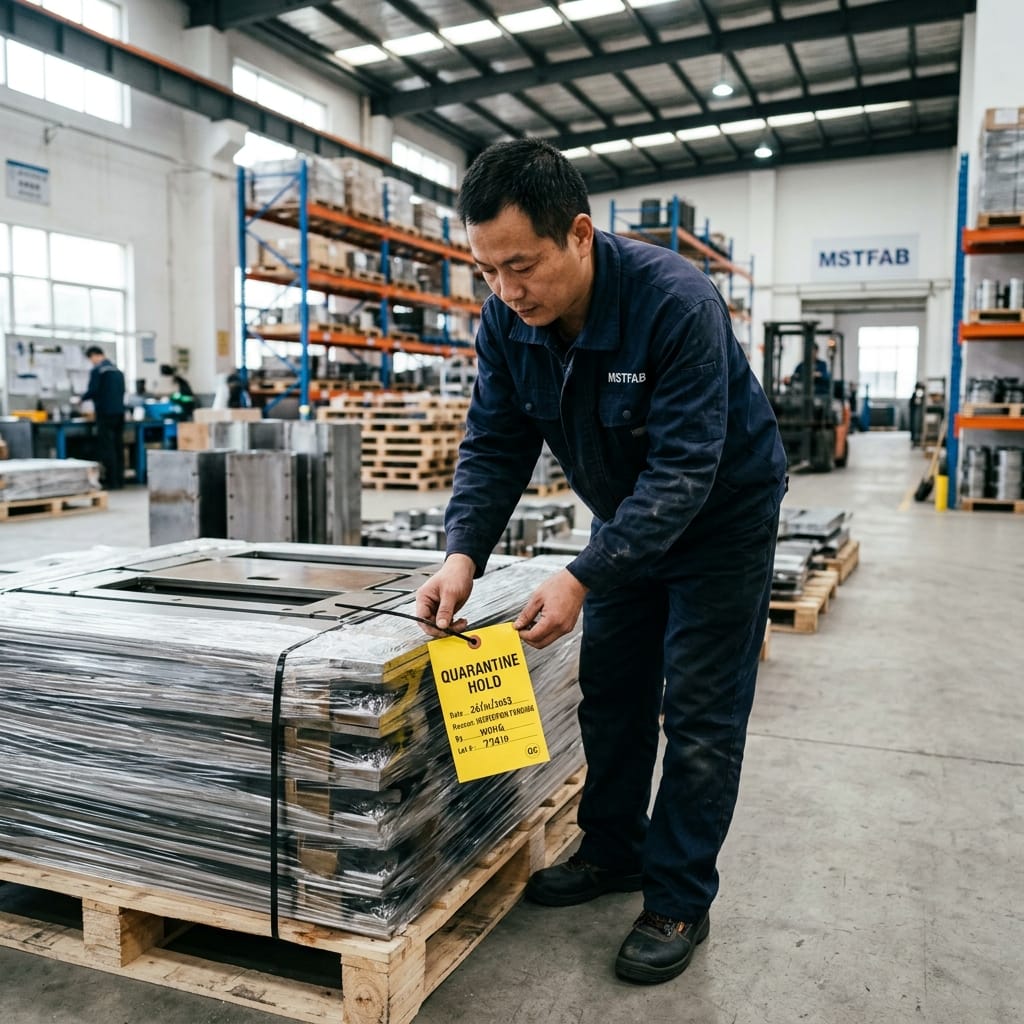
The 5 Non-Conformance Handling Phases
Phase 1: Immediate Quarantine Isolation
The moment an inspection failure occurs, the quality inspector must physically halt inventory movement. Suspect pallets must be relocated to a designated, locked quarantine cage with serialized yellow tags. The ERP system inventory status is set to “QA HOLD – RESTRICTED TRANSFER”, preventing automatic factory floor staging.
Phase 2: Formal Non-Conformance Report (NCR) Logging
Within 4 hours, quality engineering issues an official NCR document detailing: part number, revision level, PO number, lot size, quantity defective, and precise dimensional deviation (e.g., nominal 90.0° ±0.5° measured 92.4° on 18 out of 50 samples).

Phase 3: Material Review Board (MRB) Disposition
The Material Review Board (comprising Quality, Hardware Engineering, and Procurement) reviews the NCR and selects one of four formal disposition pathways:
- Scrap: Parts cannot be reworked economically or structurally; supplier issues full credit and pays certified scrap disposal costs.
- Rework: Approved only if secondary deburring, reaming, or press brake re-striking can restore 100% drawing compliance without compromising material strength.
- Return to Vendor (RTV): Parts are rejected back to the supplier; vendor covers all return ocean/air freight and customs duties.
- Use-As-Is (Concession / Deviation): Permitted only for minor non-structural blemishes that have zero impact on assembly, function, or end-customer aesthetics. Requires signed engineering deviation.
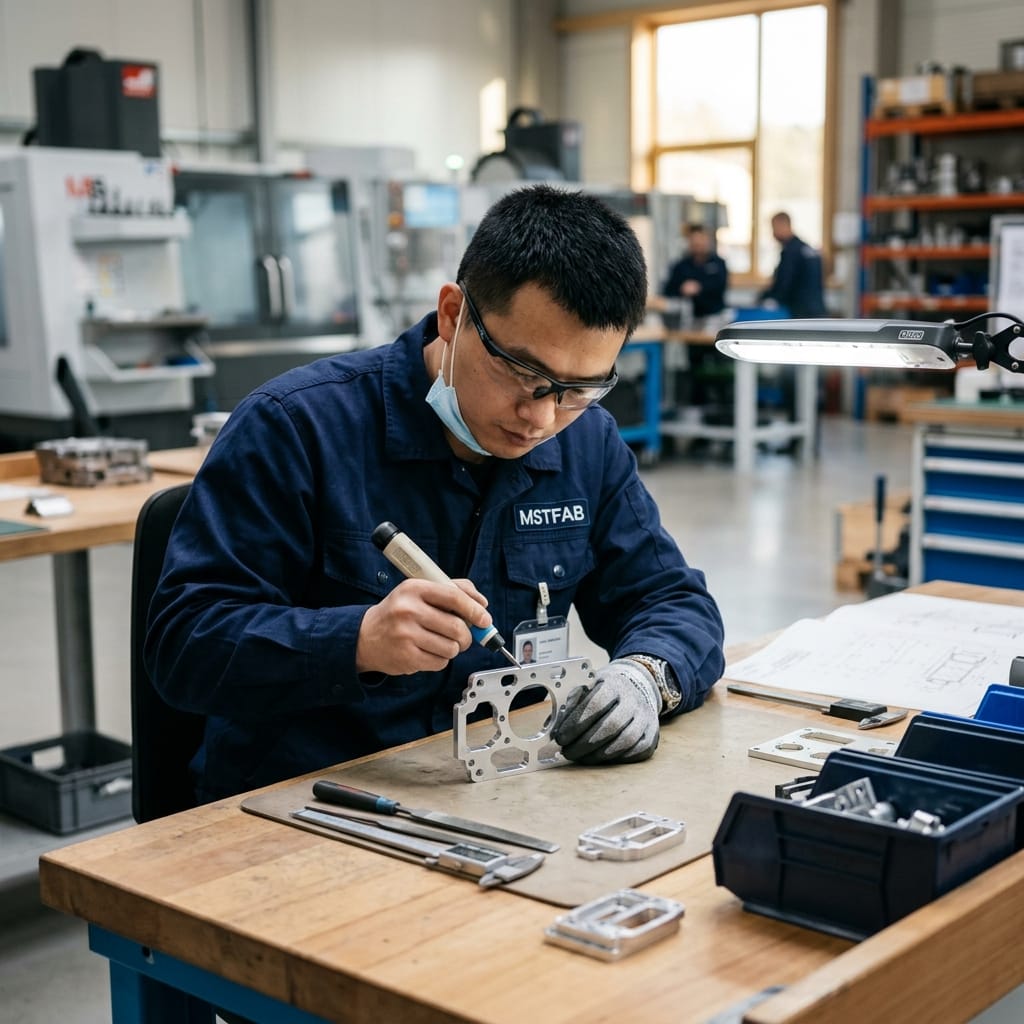
MRB Disposition Decision Matrix for Sheet Metal
The table below provides an objective engineering framework for evaluating sheet metal non-conformances:
| Defect Scenario | Severity Tier | Allowable MRB Disposition | Required Engineering Approvals | Financial Recovery Target |
|---|---|---|---|---|
| Cracks on Bend Radii | Critical (Structural) | SCRAP ONLY – Zero Rework Allowed | Lead Mechanical Engineer & VP Quality | 100% Part Scrap + NCR Fee |
| Laser Edge Burrs (> 0.2 mm) | Major (Assembly/Safety) | Authorized Rework (Vibratory / Rotary) | Manufacturing Quality Engineer | Burdened Rework Labor Charged Back |
| Undersized PEM Clearance Hole | Major (Fastener Fit) | Precision Carbide Ream Rework | Hardware Systems Engineer | Machining Labor Charged Back |
| Class C Internal Paint Scuffs | Minor (Cosmetic) | Use-As-Is (Concession Granted) | SQE & Product Design Lead | Administrative Processing Fee |
| Wrong Sheet Metal Grade (MTR) | Critical (Metallurgical) | RETURN TO VENDOR (RTV) | Chief Metallurgist & Director Sourcing | 100% Value + Air Freight Reroute |
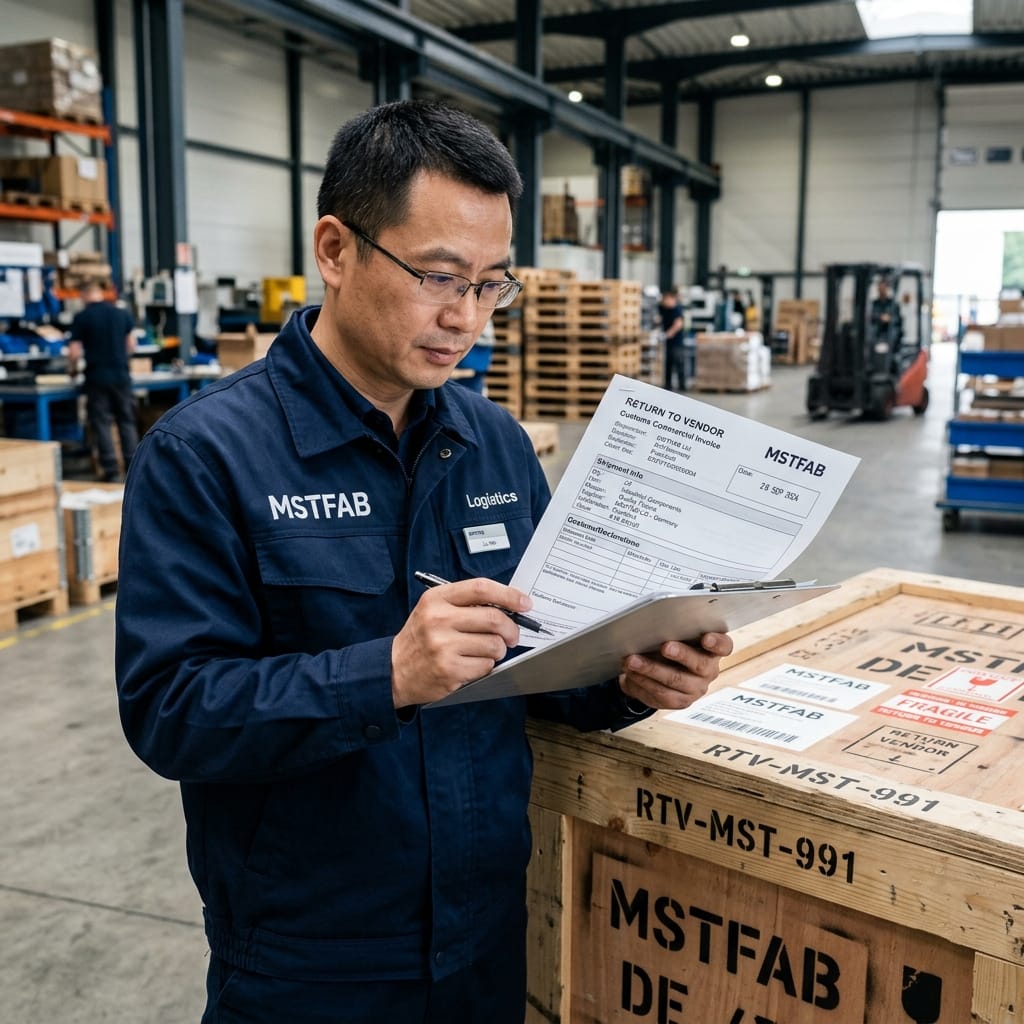
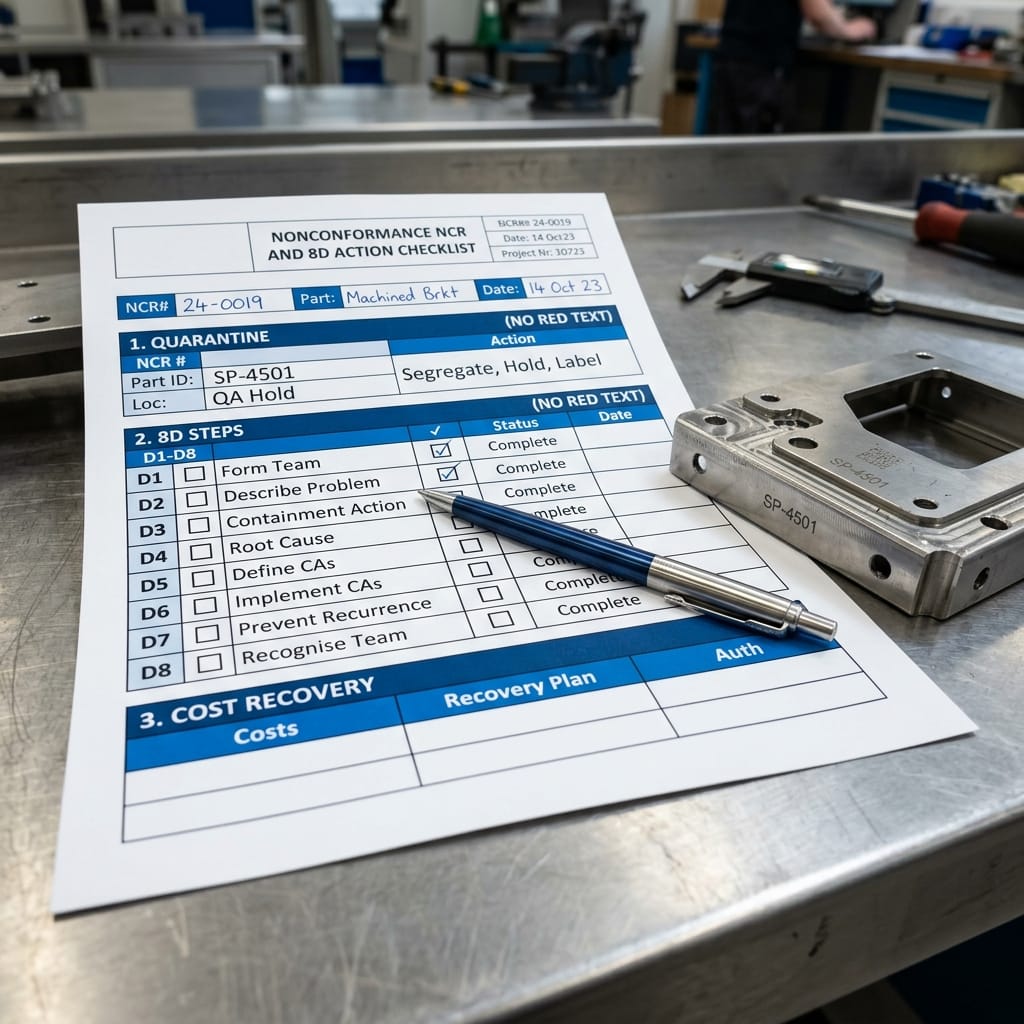
Eliminate Non-Conformance Hassles With MSTFAB
MSTFAB operates with an uncompromising focus on zero non-conformance manufacturing. Backed by ISO 9001:2015 certification, automated in-process laser height sensing, and comprehensive CMM First Article reports, our sheet metal parts fit your assembly fixtures with 100% first-pass yield. Request a precision manufacturing quote today.
 WeChat Contact
 WhatsApp Me Directly