
How do hardware companies establish an effective backup supplier for critical sheet metal parts?
Hardware companies build resilient backup sheet metal suppliers by executing a strategic 4-step framework: (1) classify parts by criticality (custom enclosures, structural chassis, and long-lead progressive dies), (2) fully qualify the secondary supplier through a 50-piece pilot run with 100% CMM First Article Inspection (FAIR), (3) maintain an active production heartbeat by allocating 20% to 30% of recurring monthly volume to keep CAM nesting, press brake tooling, and powder coat profiles “warm”, and (4) synchronizing real-time PLM engineering revisions across both vendors simultaneously.
Single-sourcing critical sheet metal parts is a ticking operational timebomb. When an exclusive fabricator suffers a factory fire, experiences regional energy curtailments, undergoes a financial restructuring, or faces persistent quality degradation, the OEM’s entire product line halts. An “inactive” backup supplier who qualified a sample two years ago cannot step in tomorrow – their CAM programs are outdated, machine operators have turned over, and material allocations are zero. Building a truly resilient backup requires an active, warm dual-sourcing model.
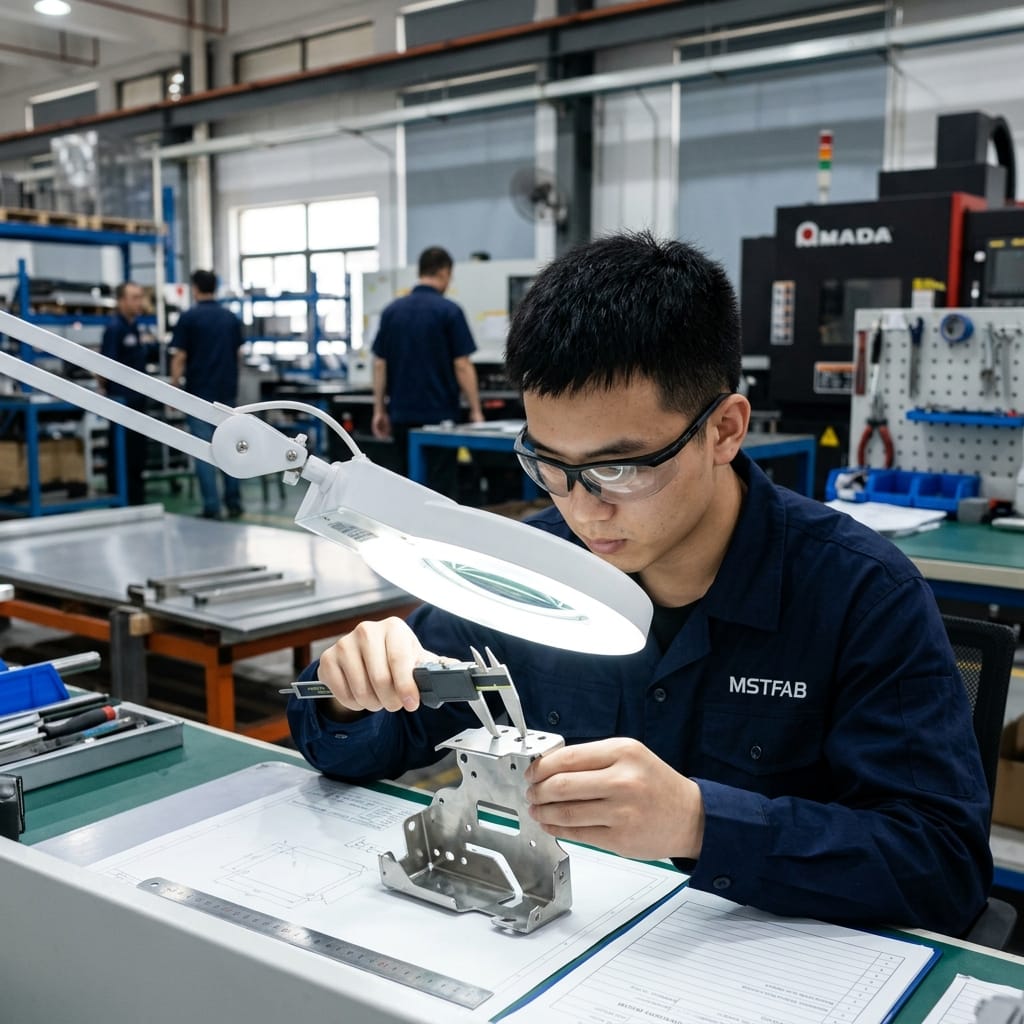
Step 1: Criticality Classification (The 80/20 Rule)
Dual-sourcing every simple flat bracket on your Bill of Materials (BOM) creates unnecessary administrative overhead. Sourcing teams prioritize backup qualification based on three risk factors:
- Hard Tooling Dependence: Parts requiring dedicated stamping dies or complex robotic welding fixtures that take 8 to 12 weeks to duplicate.
- Tight Tolerance Stack-ups: Complex server chassis or medical enclosures with multi-axis bends (±0.1 mm) where fitment directly governs PCB backplane alignment.
- Revenue Impact: High-value SKUs that represent the top 20% of your company’s product gross margin.
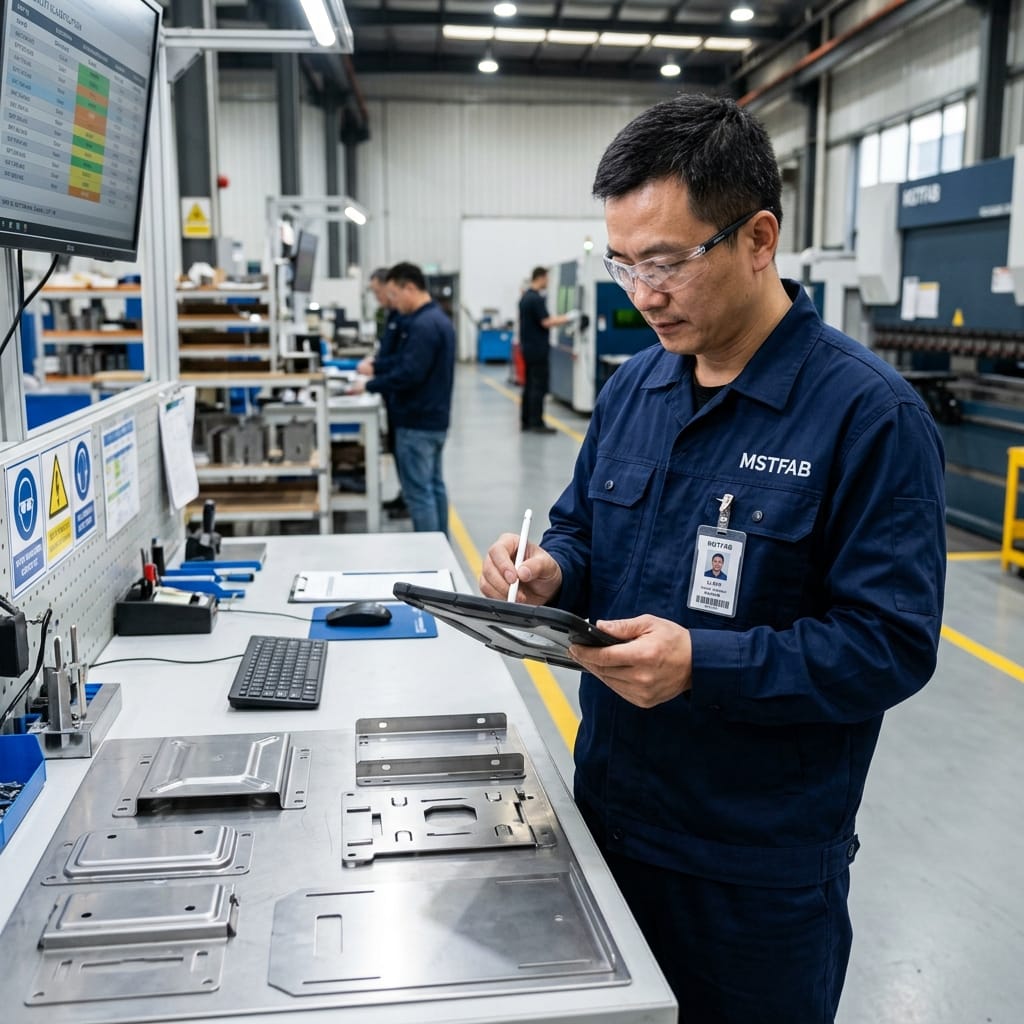
Step 2: Deep Factory Audits & Complete FAIR Qualification
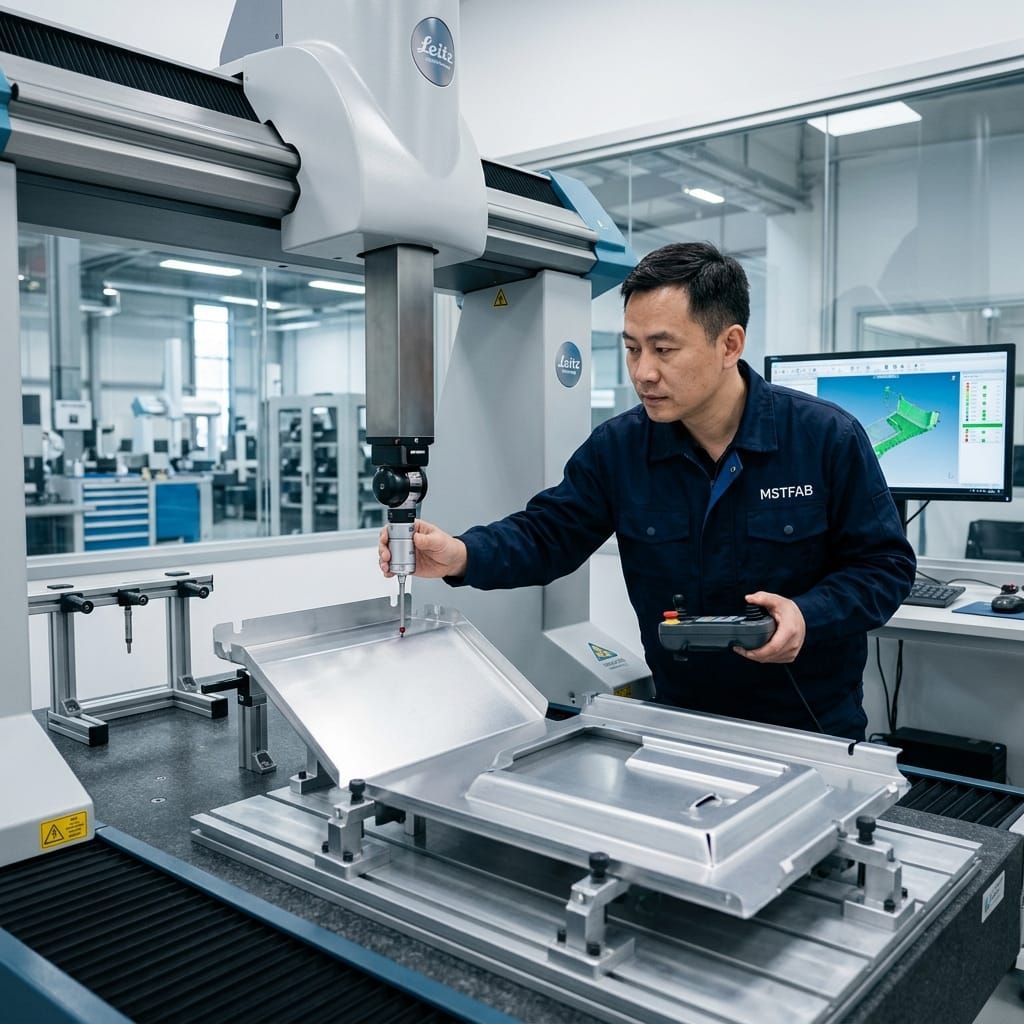
Never rely on a desktop ISO certificate review. Conduct an on-site technical audit of the candidate backup fabricator. Inspect CNC fiber laser optics, multi-axis press brake backgauges, and coordinate measuring machine (CMM) calibration logs. Commission a 50-piece production trial lot and require a complete Level 3 First Article Inspection Report (FAIR) proving Cpk ≥ 1.33 across all critical features.
Step 3: Maintaining the Active “Heartbeat” Volume Split
The single fatal mistake in backup supplier management is awarding “zero-dollar” standby agreements. A backup supplier with zero active orders will not reserve raw sheet stock, will reassign their best machine programmers, and will treat your emergency surge order as lowest priority. Best-in-class hardware OEMs enforce an active volume split:
Primary Supplier: 70% Volume // Active Backup Partner: 30% Volume
This “warm heartbeat” guarantees that the secondary supplier regularly orders raw coils, maintains active press brake G-code, and can scale from 30% to 100% capacity within 7 business days if the primary supplier encounters disruptions.
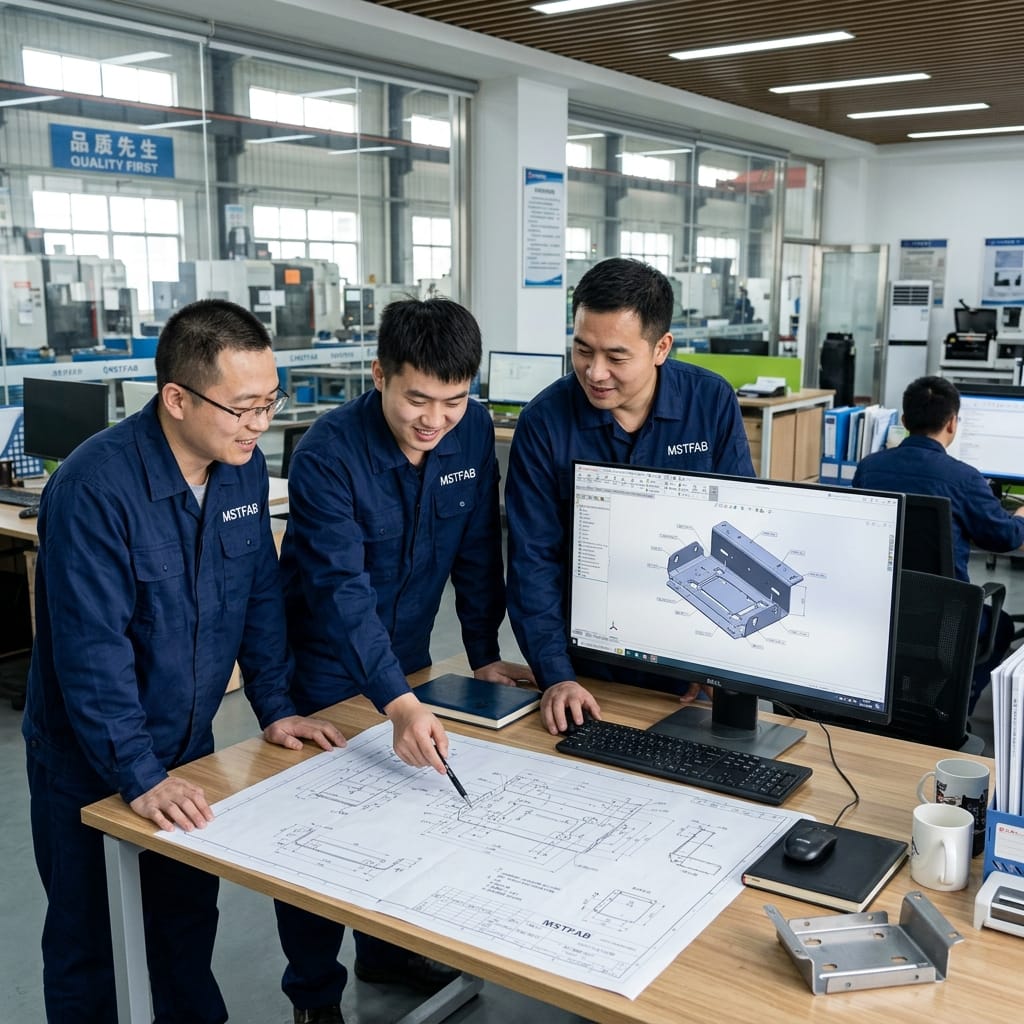
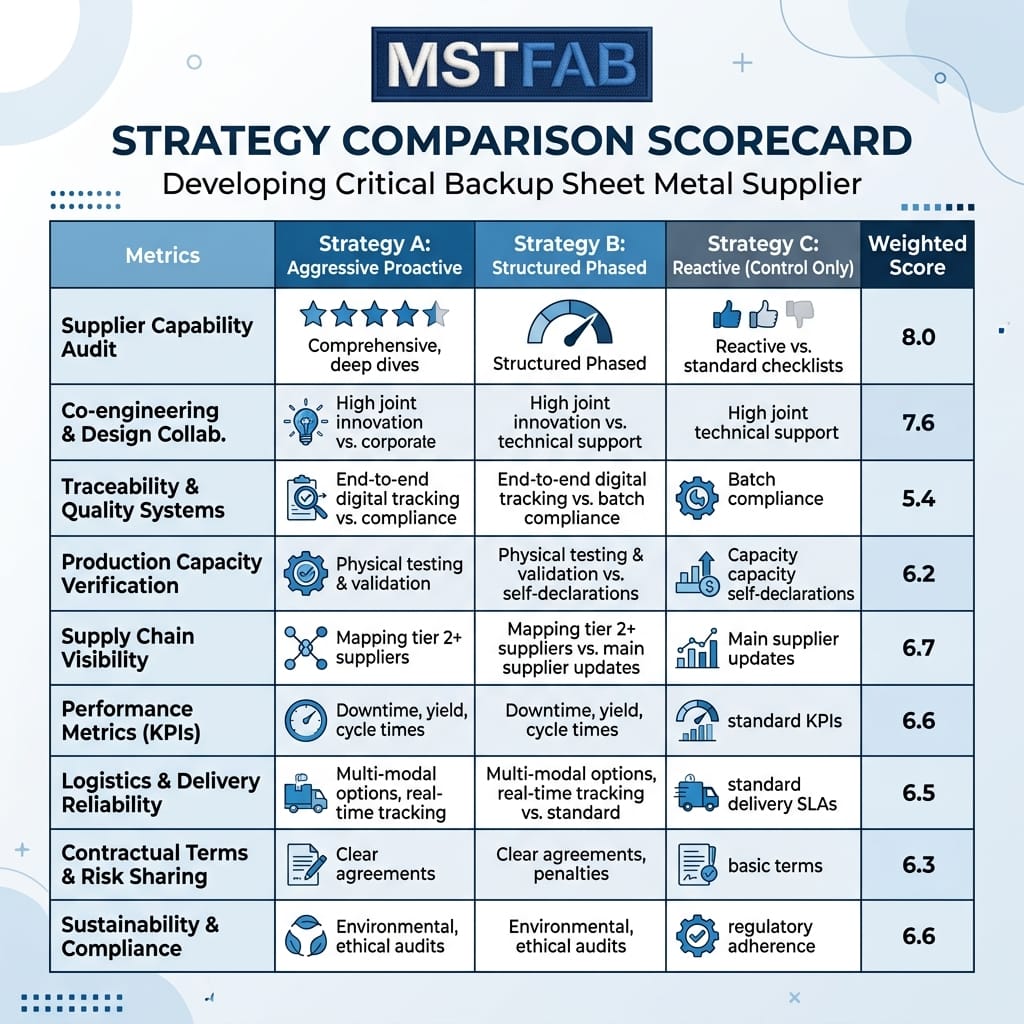
Backup Supplier Strategy & Resilience Scorecard
The table below compares three approaches to sheet metal supplier risk mitigation:
| Strategy Dimension | Single-Sourced (No Backup) | Cold Standby Backup | Active Heartbeat Dual-Source (MSTFAB) |
|---|---|---|---|
| Surge Ramp-Up Time | 8 to 14 Weeks (Total Shutdown) | 4 to 6 Weeks (Re-qualification needed) | 3 to 7 Days (Instant Scale-Up) |
| Volume Allocation | 100% to Primary | 100% Primary / 0% Standby | 70% Primary / 30% Active Backup |
| CAD Revision Sync | Single Vendor | High Risk (Standby CAD becomes obsolete) | 100% Automated via PLM Portal |
| Commercial Leverage | Zero (Vendor holds monopoly) | Weak (Vendor knows backup is cold) | High (Continuous benchmark competition) |
| Total Supply Chain Risk | CRITICAL (Single Point of Failure) | MODERATE | VERY LOW (Resilient Architecture) |
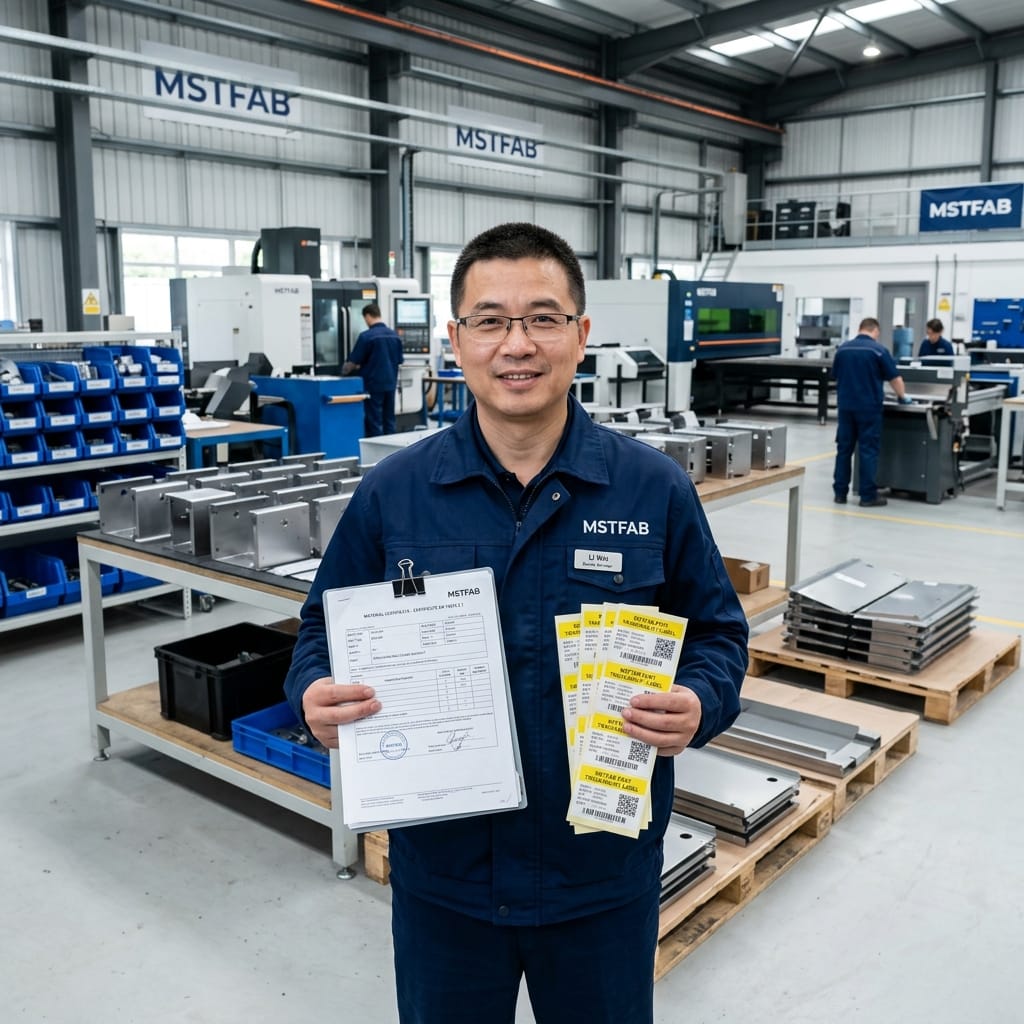
De-Risk Your Hardware Production With MSTFAB as an Active Secondary Supplier
Never let a single supplier failure shut down your assembly line. MSTFAB serves as a trusted active secondary manufacturer for global electronics, medical, and industrial OEMs. We offer rapid NPI pilot qualification, seamless PLM synchronization, and immediate capacity ramp-up. Contact our engineering team today to review your dual-sourcing strategy.
 WeChat Contact
 WhatsApp Me Directly