
Buying custom metal parts for an OEM project is not really about finding a factory that can cut metal.
Most factories can cut metal.
The real challenge is finding a manufacturing partner that understands what happens after the cutting is finished. Let’s be real: “almost fits” is not a quality standard. It’s an expensive headache.
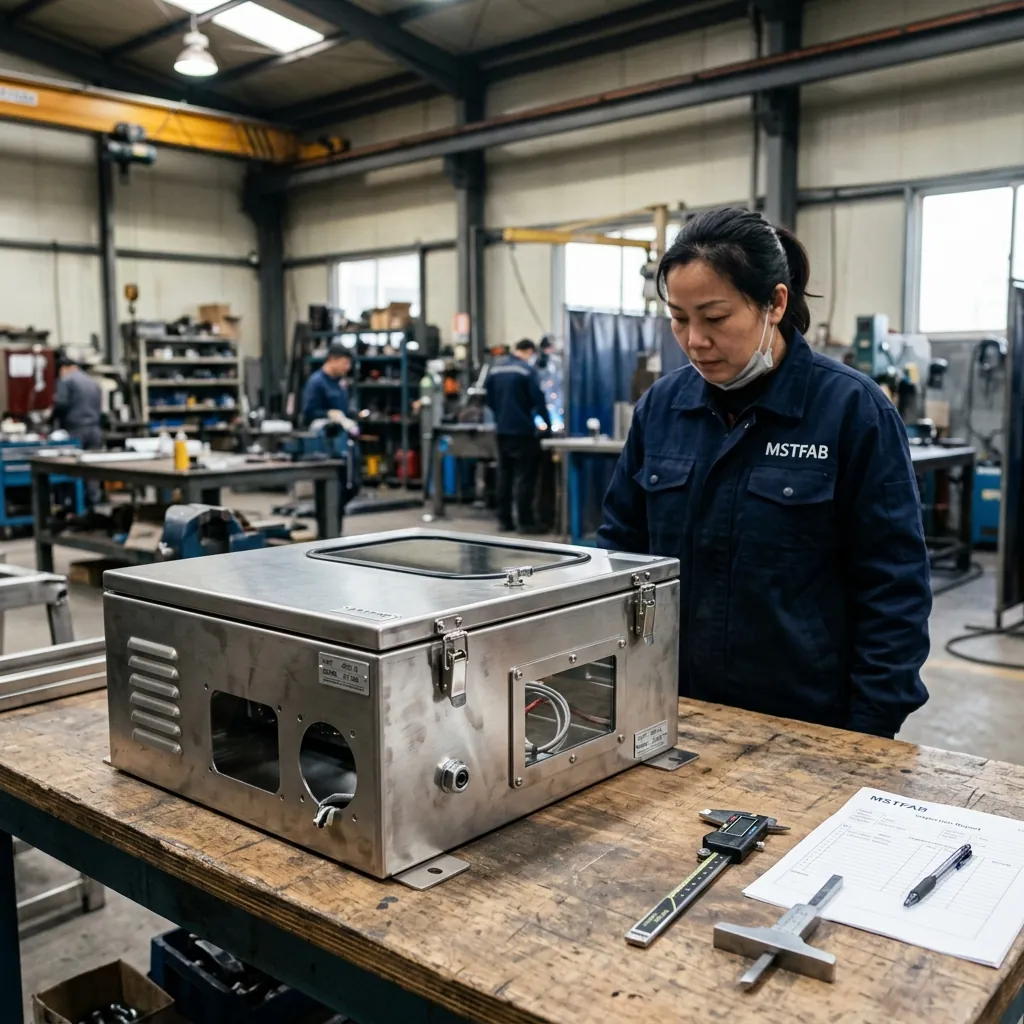
Will the mounting holes align during assembly? Will the bend angle remain consistent from the first sample to the next production batch? Will welding pull a frame out of square? Will powder coating affect threads, grounding points, sealing surfaces, or hardware installation? Will visible stainless steel panels arrive without scratches?
These are the questions that decide whether a custom metal part becomes a reliable component or an expensive problem with sharp edges.
This guide explains how OEM buyers can reduce manufacturing risk when sourcing custom brackets, panels, enclosures, cabinets, covers, chassis parts, frames, and welded metal assemblies. It is written for procurement teams, engineers, industrial product companies, and overseas buyers who need drawing-based metal fabrication from China.
At MSTFAB, our work focuses on custom sheet metal fabrication for OEM projects, including laser cutting, CNC bending, welding, hardware insertion, surface treatment, inspection, and export-ready packaging. The aim is simple: parts should fit your assembly, meet the required finish, survive shipping, and remain repeatable when you reorder.
What OEM Buyers Are Actually Purchasing
When you purchase a custom metal component, you are not only buying stainless steel, aluminium, or carbon steel. You are buying a manufacturing process.
That process needs to control the relationship between your drawing, material, fabrication method, inspection requirements, final assembly, and delivery condition.
For example, a custom bracket may seem simple. It may only have four holes and two bends. But it can still fail because of:
- Incorrect material thickness
- Hole positions too close to bend lines
- Wrong bend direction
- Inconsistent bend angle
- Burrs affecting assembly
- Incorrect thread or insert selection
- Powder coating inside functional holes
- Scratches on visible surfaces
- Poor packaging during international transport
The cheapest unit price does not always create the lowest project cost. A low-cost part that needs rework, misses an installation date, damages your customer relationship, or stops an assembly line is no longer low cost.
Buyer Risk Control: The Trust Table
Here is a quick look at how typical “cheap and fast” quotes compare to a managed OEM manufacturing process:
| Manufacturing Stage | Typical High-Risk Approach | MSTFAB Controlled Approach (Low Risk) |
|---|---|---|
| Drawing Review | Quote and cut immediately. Ignore missing details. | DFM review first. Identify bend conflicts, hardware fit, and coating risks. |
| Material Selection | Use cheapest available generic metal stock. | Select exact grade/thickness based on application and structural needs. |
| Bending & Forming | Bend and hope for the best. Ignore springback. | Calculate bend allowances, control grain direction, test angles. |
| Welding | Weld fast. Leave heat distortion and ugly seams. | Control heat input, use fixtures, grind and polish cosmetic surfaces. |
| Hardware & Threads | Force hardware in later. Paint over threads. | Plan inserts before finishing, mask threads and grounding points. |
| Quality & Delivery | Ship it in a generic box and hope it survives. | Inspect critical dimensions, use custom protective export packaging. |
The Five Biggest Risks in Custom Metal Parts Manufacturing
1. The Drawing Looks Correct but the Part Does Not Fit
This is one of the most common problems in OEM fabrication.
A CAD model may look perfect, but physical manufacturing introduces real-world factors: material thickness variation, bend allowance, springback, weld heat, coating thickness, hardware clearance, and assembly sequence.
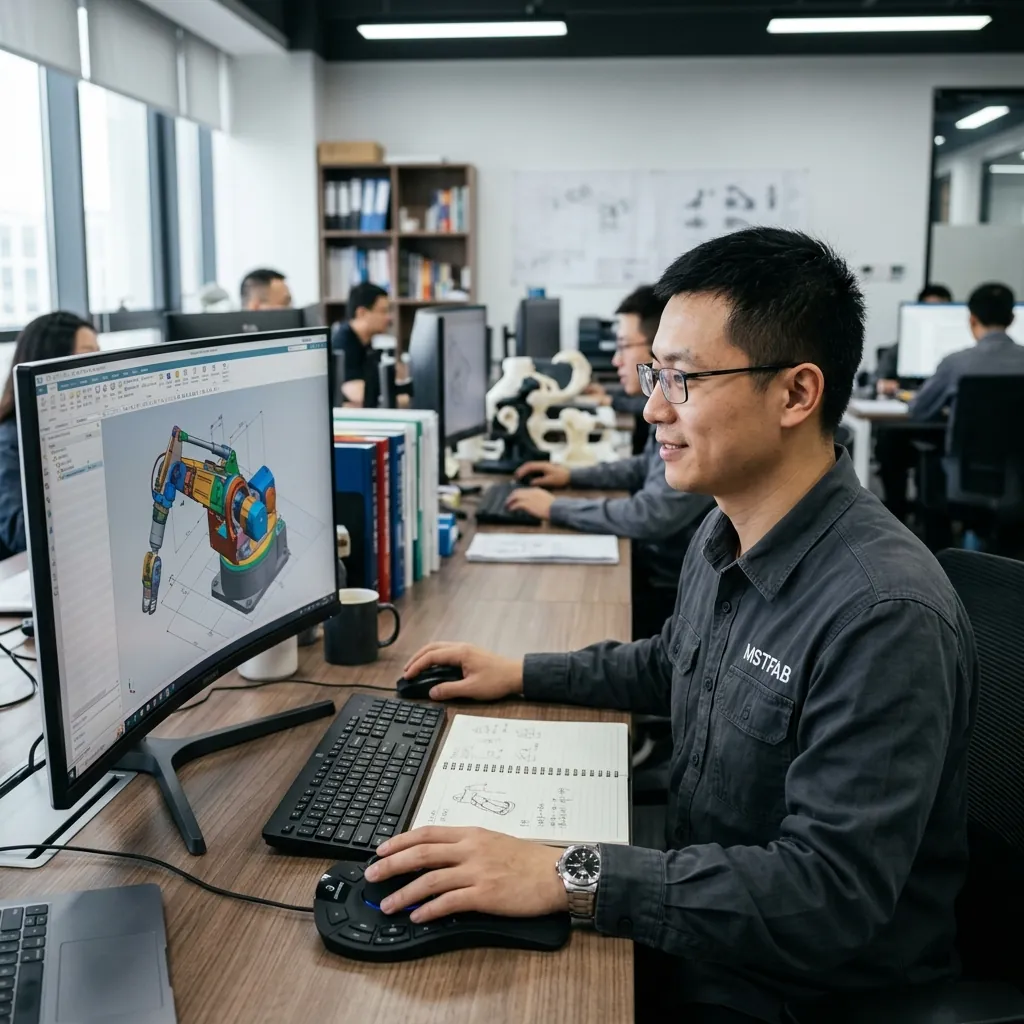
This is why buyers should not only ask, “Can you manufacture this?” A better question is: “What manufacturing risks do you see before production begins?”
A serious supplier should discuss these issues before cutting material, not after shipping finished parts. MSTFAB uses drawing review and practical DFM feedback to examine material, thickness, hole placement, bend geometry, welding, finish requirements, hardware, assembly, and packaging before production starts.
2. Material Is Selected by Price Instead of Application
“Please quote stainless steel.” That request is not specific enough. The right material depends on the environment, loading requirement, finish expectation, cost target, corrosion exposure, and final application.
Good sourcing starts with application details, not just a material name. An aluminium part may save weight but need more stiffness through folded edges or reinforcement. A stainless steel panel may need protective film because the visible face will scratch easily. A powder-coated steel bracket may need masked areas where electrical grounding or fastening is required.
3. CNC Bending: Why a “Simple 90-Degree Bend” Can Cause Problems
CNC bending turns flat metal blanks into brackets, channels, covers, doors, trays, cabinets, and enclosures. It is also where many fit problems begin.
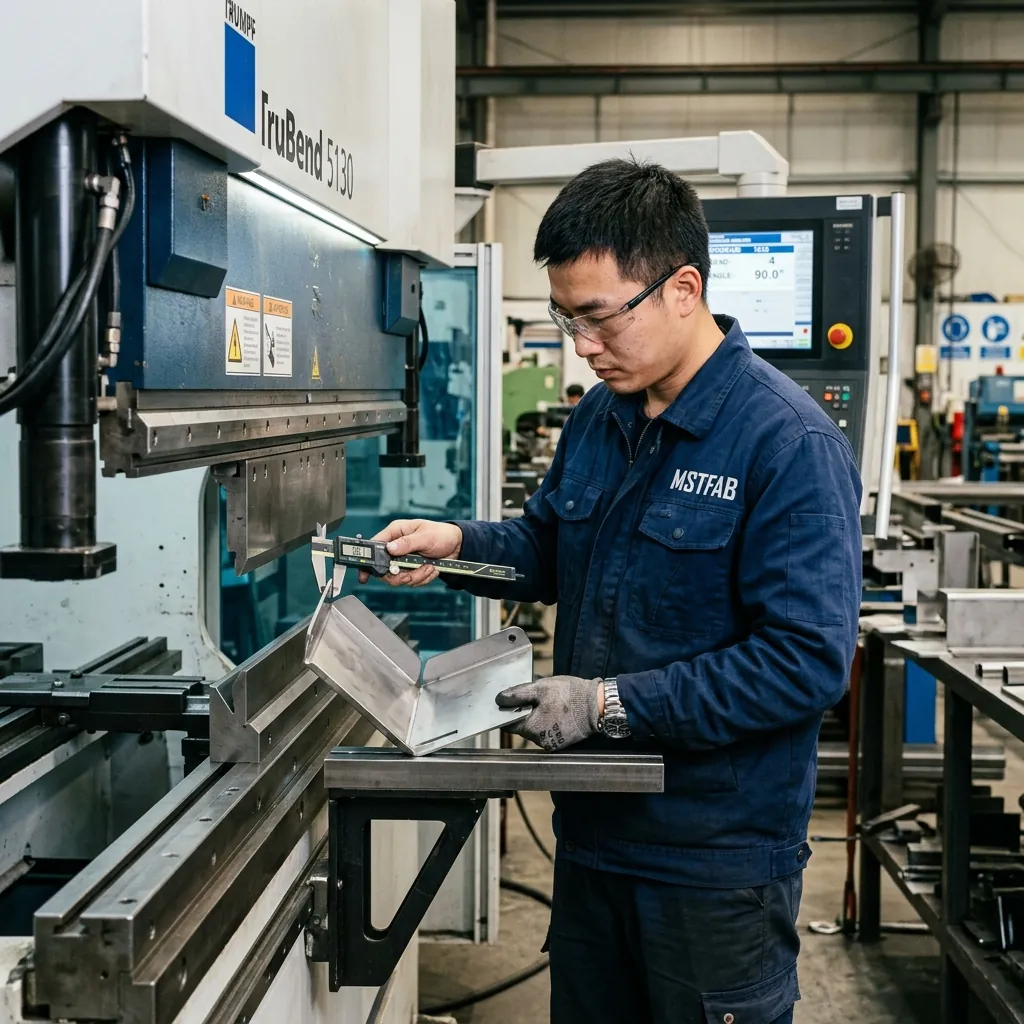
Different materials react differently when bent. Material thickness, grade, bend radius, tool selection, flange length, grain direction, and springback all affect the final result. Springback is normal. After bending, metal naturally tries to move slightly back toward its original flat condition. In other words, metal occasionally has its own opinion.
A drawing may show two parts fitting together perfectly. But if bend sequence and tolerance stack-up are ignored, those two parts may become strangers when they arrive at final assembly.
4. Welding: Strength Matters, but So Does Distortion Control
Many OEM metal parts need welding to become frames, cabinet bodies, support structures, machine bases, brackets, and multi-part assemblies. Welding can create a strong joint, but it also introduces heat. And heat loves to twist things.
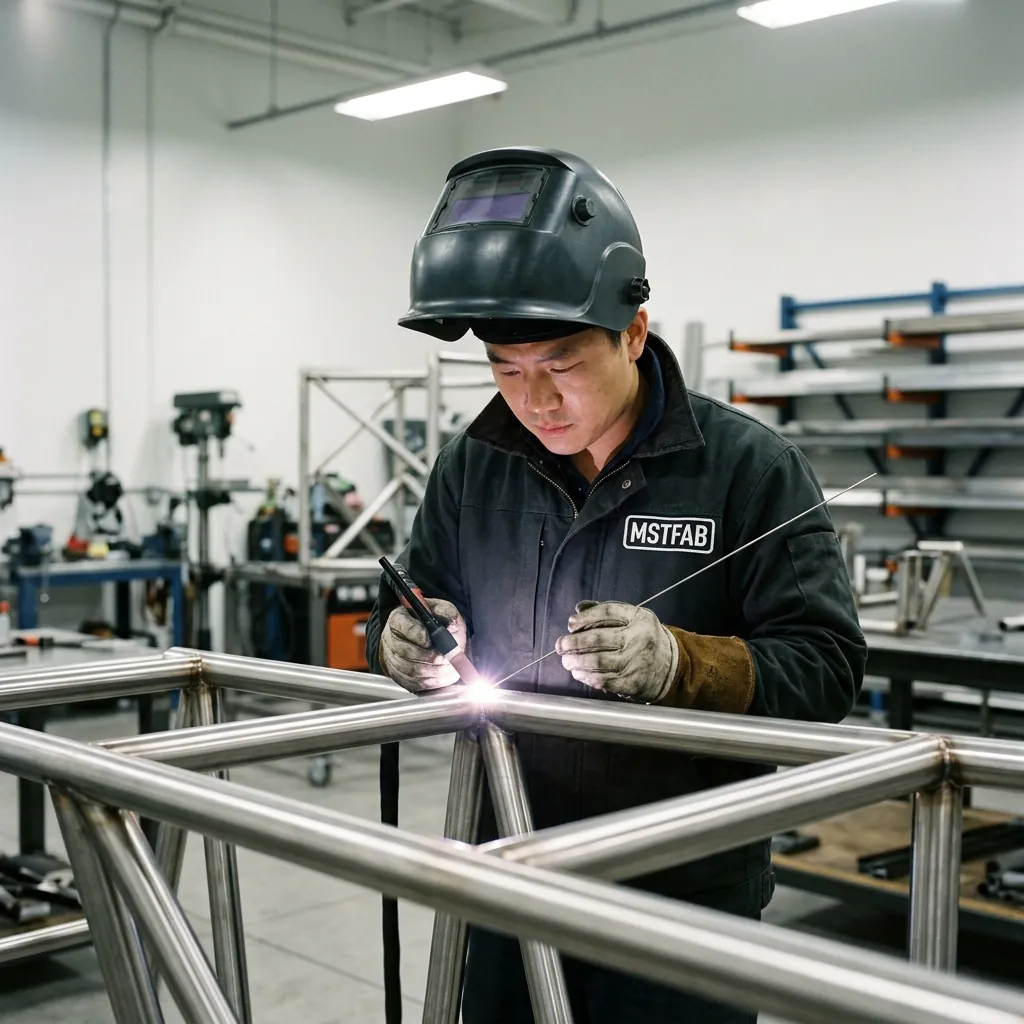
A welded frame can be strong and still be unusable if it is out of square. For visible stainless steel or customer-facing metal panels, weld appearance and post-weld finishing should be defined clearly. “Nice weld” is not a specification. It is a future disagreement waiting to happen.
5. Hardware, Threads, and Assembly Features Need Early Planning
Many custom metal parts are incomplete without hardware like PEM nuts, rivet nuts, hinges, or grounding studs. These features need to be planned before finishing.
For example, powder coating inside a thread can prevent screws from entering correctly. The best time to clarify these requirements is during drawing review, not when assembly workers are already searching for a larger hammer.
Laser Cutting: The First Step Is Not the Whole Job
Laser cutting creates the flat shape before bending, welding, finishing, and assembly.
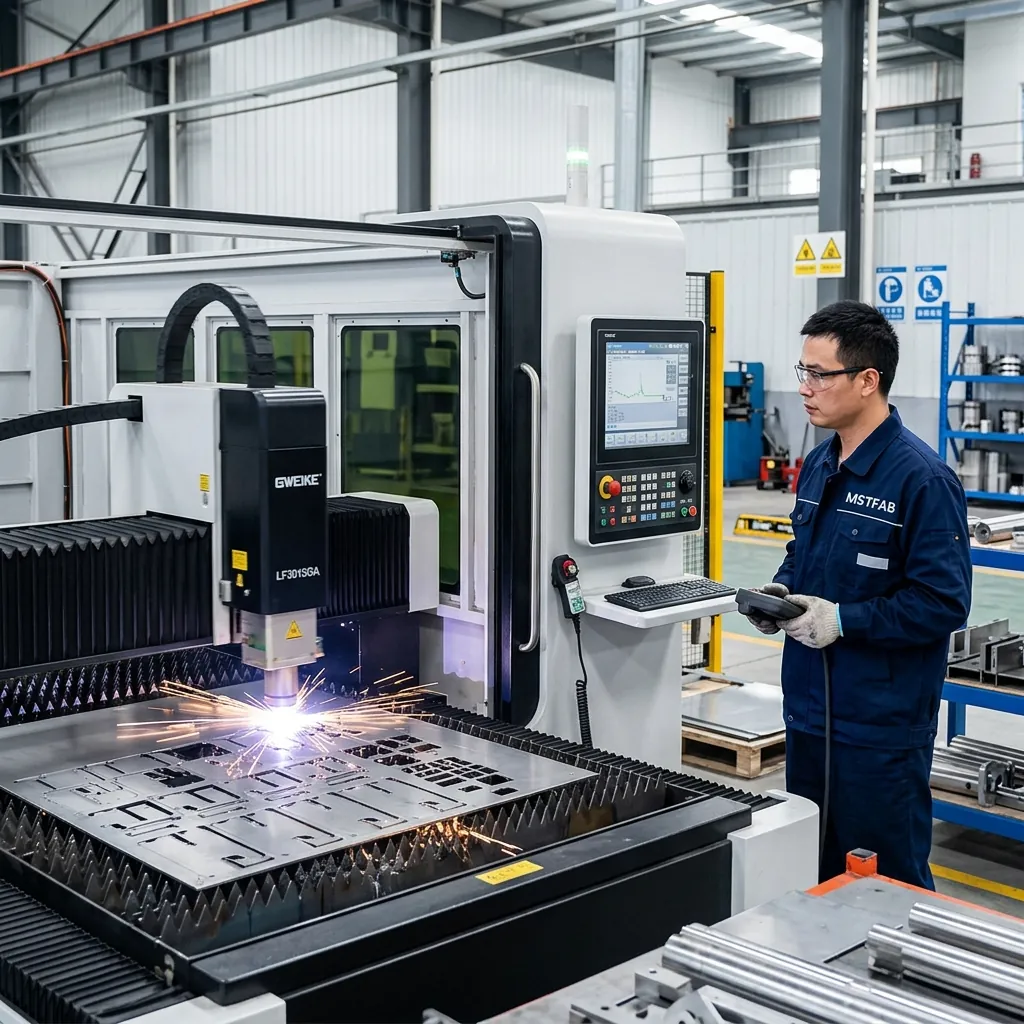
For OEM buyers, the value of laser cutting is not only a clean edge. The cut geometry must support all later processes. A small tab can help locate parts before welding. A relief cut can reduce bending stress. A slot can provide installation adjustment. A correctly placed hole can prevent a major assembly problem.
Surface Finish Is a Functional Requirement, Not Only a Visual Choice
Surface finish affects corrosion resistance, scratch resistance, cleaning, assembly, grounding, sealing, packaging, and customer perception. A request for “black finish” can mean matte black, textured black, glossy black, fine sand black, warm black, or a black that looks different under warehouse lighting.
Clear finish notes reduce rework, avoid misunderstanding, and help a supplier prepare the correct process route.
Quality Control Should Follow the Function of the Part
Not every dimension is equally important. A hidden internal flange may not need the same inspection priority as a front-facing display cutout. A welded support bracket and a polished stainless steel panel may have completely different quality requirements.
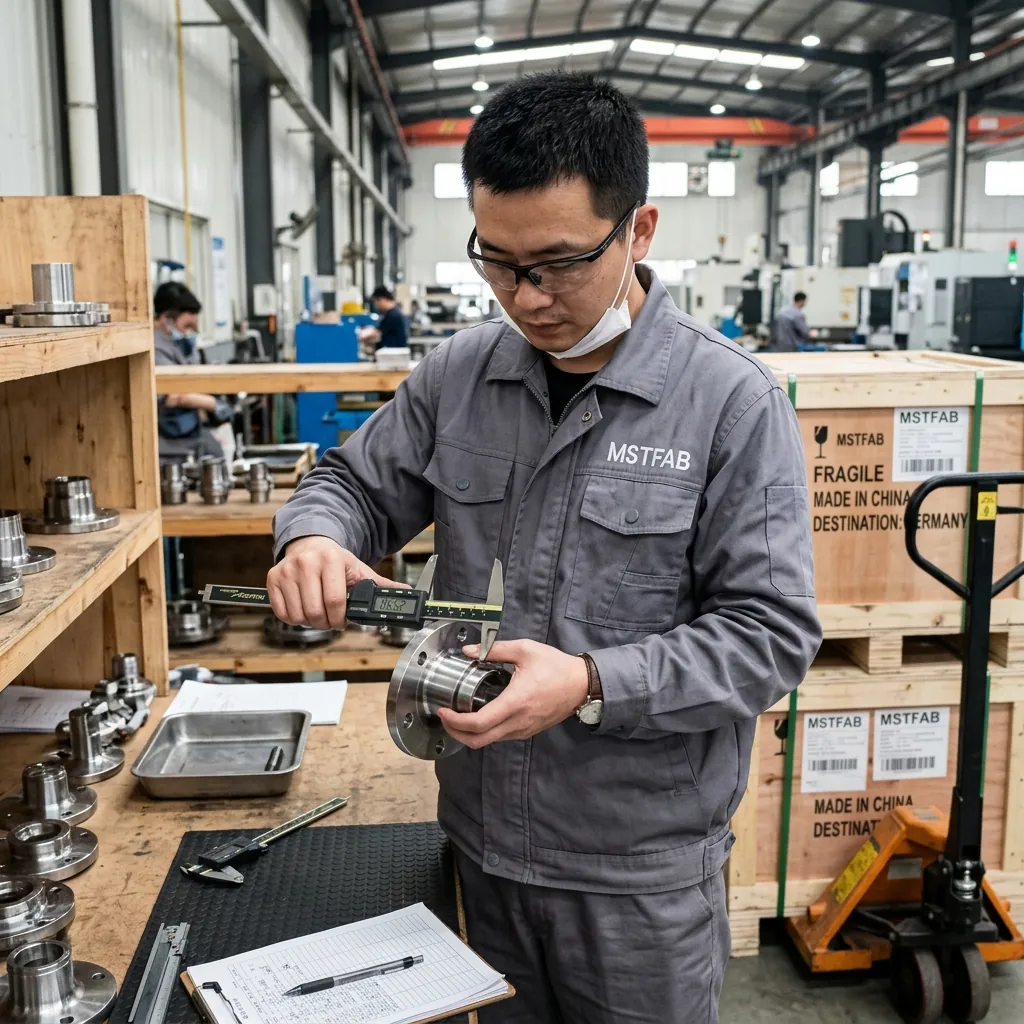
Buyers should identify which dimensions are truly critical to function. Marking every dimension as highly critical can increase cost and inspection time without improving the real product. A strong quality plan prioritizes what matters most.
Start Your Custom Metal Parts Manufacturing Project
A successful OEM metal part is not simply one that looks good in a quotation or CAD model.
It is one that fits your assembly, meets the function of your product, arrives protected, and remains consistent when you place the next order.
Send your drawing, material requirement, quantity, finish details, tolerance notes, and application information to MSTFAB. Our team will review the manufacturing route before production begins. Because the best custom metal part is the one that fits the first time and quietly does its job for years.
 WeChat Contact
 WhatsApp Me Directly