
Laser-cut enclosure parts checklist
From laser-cut blank to assembly-ready OEM parts
Laser cutting gives the flat blank its shape. A reliable supplier also controls what happens next: deburring, CNC bending, welded features, PEM hardware, surface finish, inspection and export packing.
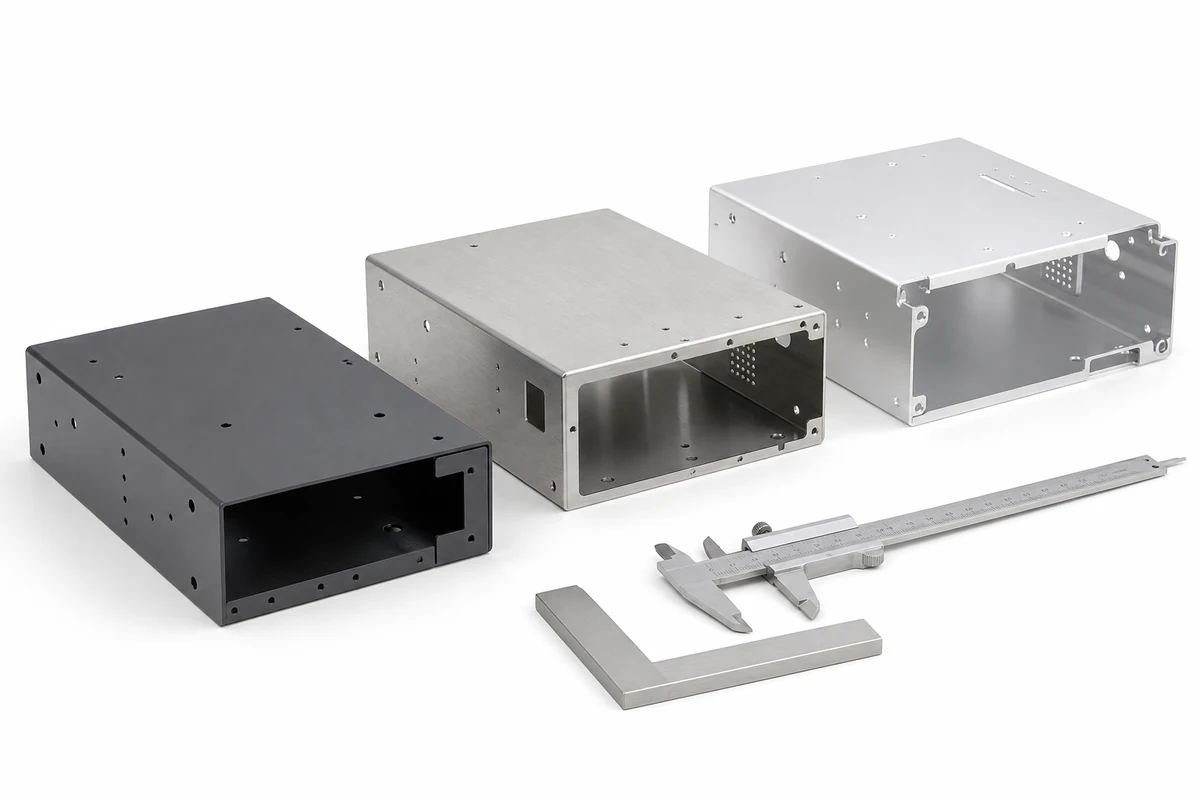
This checklist is for OEM buyers who already have drawings and need to verify downstream controls for empty sheet metal shells and parts. MSTFAB makes the metal parts and shells, not finished machines or branded equipment.
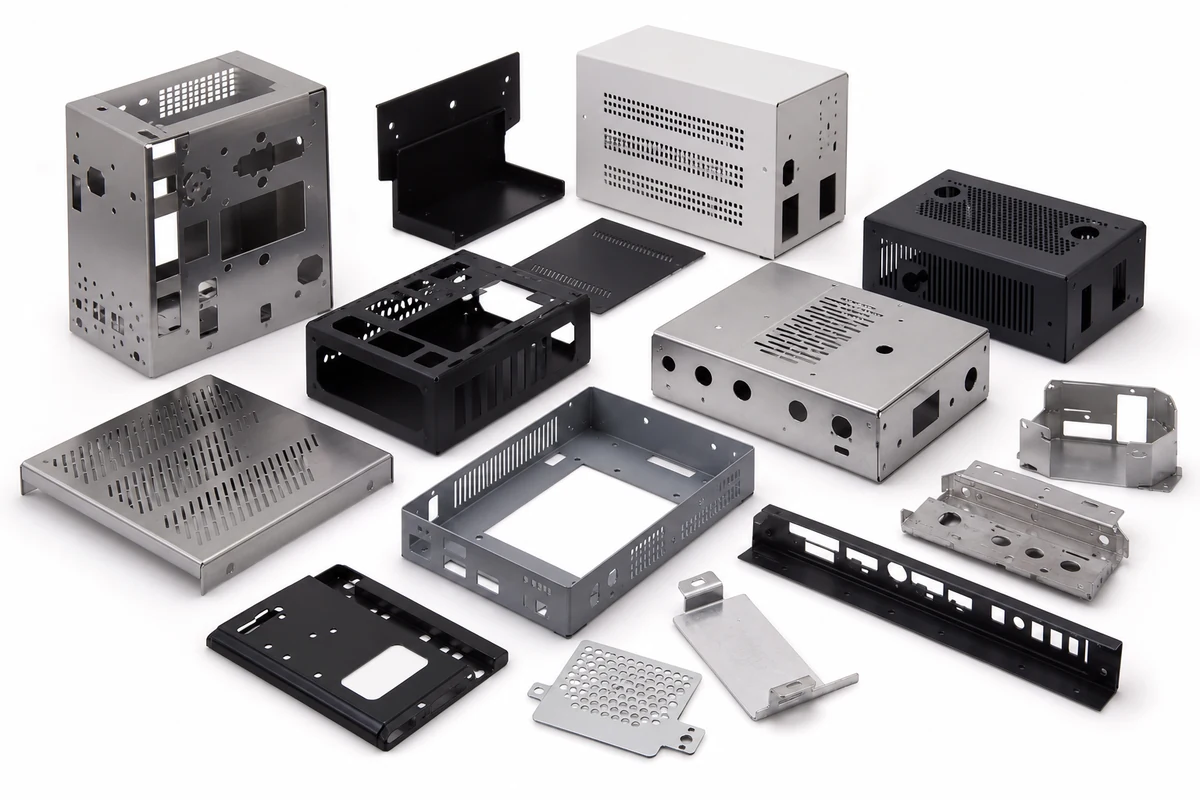
Downstream process control
What buyers need after the laser cuts the blank
Use this checklist to confirm deburring, bending, welding, hardware, finishing, inspection and packing before supplier approval. The laser machine is only one station in the route.
For production capability and quotation support, see our laser cutting and bending from DXF files page. For complete sheet metal manufacturing, review custom sheet metal fabrication for OEM parts.
The practical question is simple: can the supplier turn your drawing into a repeatable part that your assembly team can actually use?
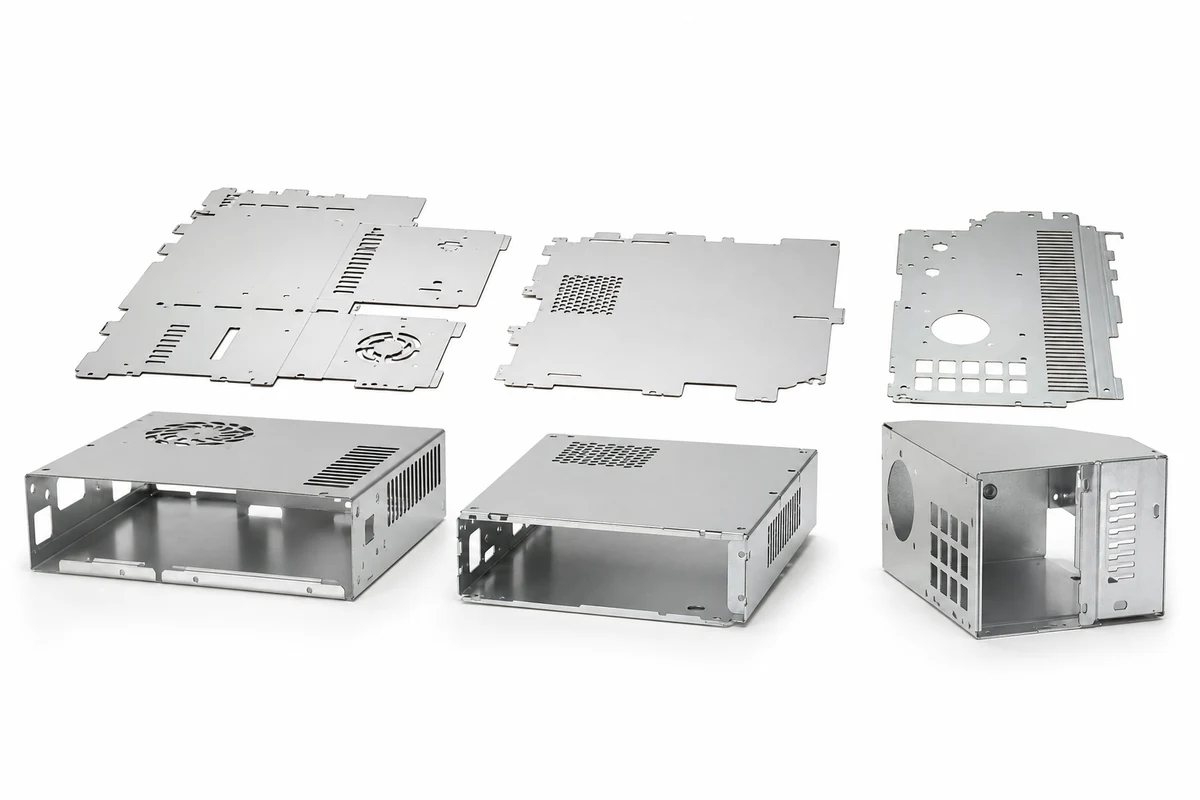
Manufacturing route
Six downstream checks before approving laser-cut enclosure parts
This 3×2 route keeps the article easy to scan and helps procurement teams compare suppliers without keyword soup.
Drawing review
Confirm STEP, DXF, PDF drawing, revision, material grade, thickness and bend notes before quotation.
Laser-cut blank
Check edge condition, burr control, cutout accuracy, hole quality, nesting logic and material traceability.
CNC bending
Review bend radius, flange length, tool access, hole-to-bend distance and post-bend dimensions.
Welding and hardware
Plan locating tabs, PEM nuts, studs, rivet nuts, weld sequence, fixture control and thread checks.
Surface finish
Confirm powder coating, anodizing, brushing, masking, grounding faces, gasket areas and visible surfaces.
QC and packaging
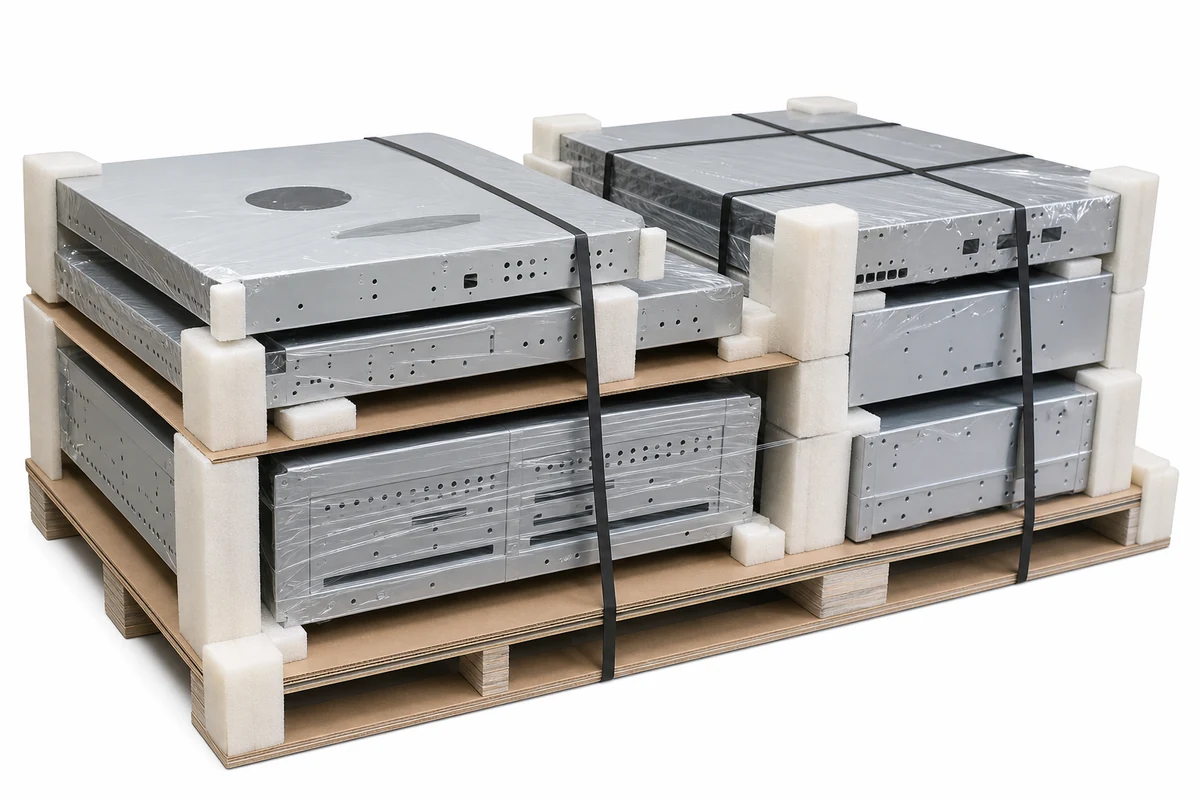
Measure critical features, protect finished surfaces and pack parts for export without surprise damage.
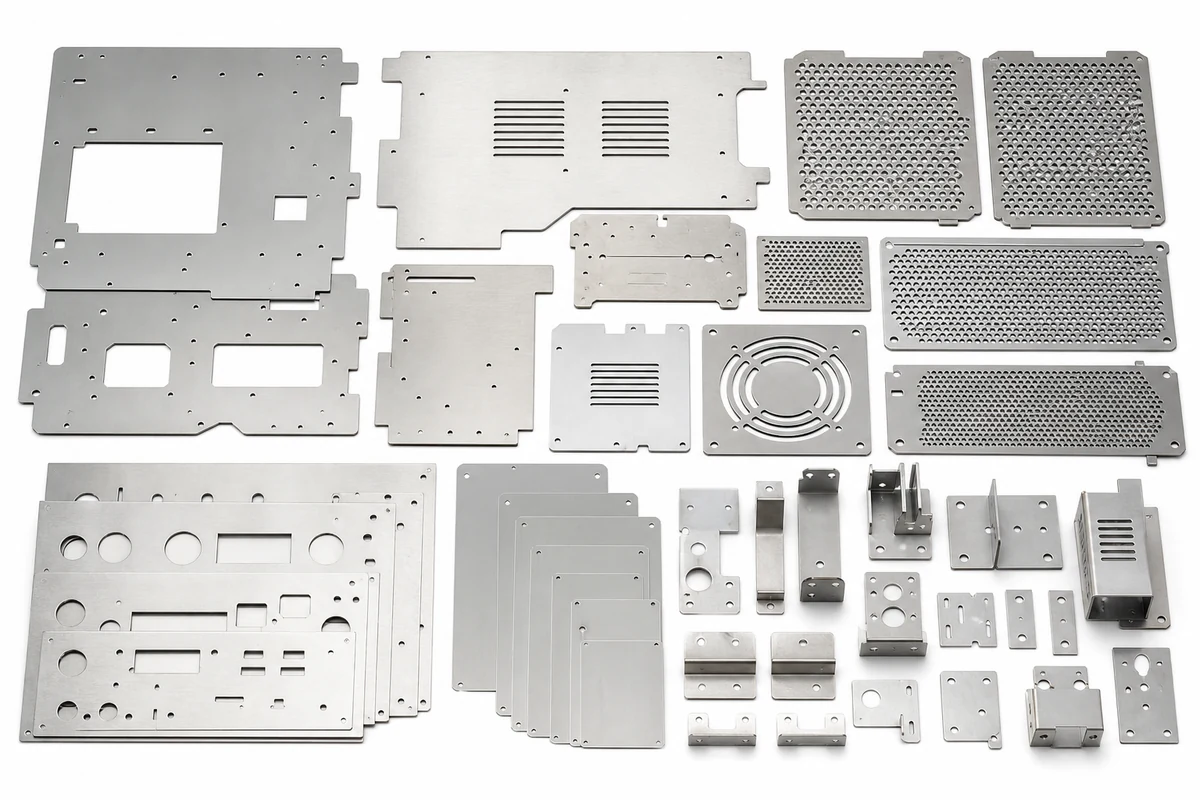
DFM before cutting
A DXF file is useful, but it is not the whole story
A DXF shows the flat profile. A STEP file explains the final formed part. A PDF drawing confirms tolerances, datums, surface finish, hardware and revision control. If those files disagree, production gets exciting in the bad way.
Before cutting, MSTFAB reviews bend relief, hole spacing, slot width, corner radius, material thickness and finish allowance. For more detail, read our sheet metal DFM guide and sheet metal fabrication tolerance guide.
After laser cutting
Control the processes that make the part fit
Many laser-cut parts fail after cutting, not during cutting. A bracket may warp after welding. A cabinet panel may lose alignment after bending. A powder-coated part may have threads blocked if masking is not planned.
Bending context
Hole-to-bend distance, bend sequence, springback and flange length should be checked before cutting.
Hardware context
PEM nuts, studs, hinges and locks need correct hole sizes, access and installation order.
Welding context
Tabs, fixtures, weld sequence and squareness checks reduce distortion and rework.
Finish context
Masking, grounding, color, texture and scratch protection should be agreed before coating.
For downstream processes, see CNC sheet metal bending, sheet metal welding services and surface treatment services.
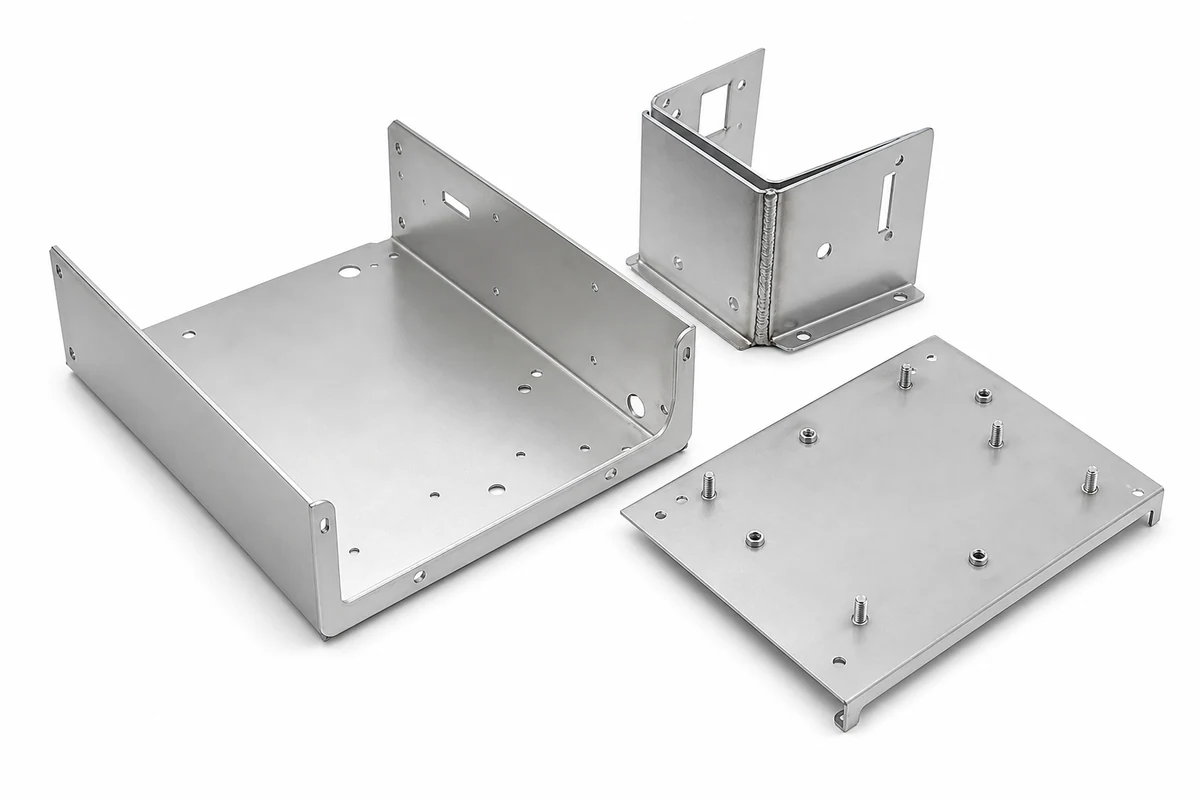
Quality and shipping
Inspection and packaging decide whether the part arrives usable
Important checkpoints usually include mounting-hole patterns, display cutouts, cable entries, bend angles, hinge locations, lock openings, thread function, gasket surfaces, visible faces and assembly interfaces.
For inspection evidence, review our dimensional inspection report guide. For delivery protection, see sheet metal fabrication with export packaging.
Trust table
How to compare suppliers when laser cutting is only the first step
Do not compare suppliers only by who has a laser cutting machine. Compare the complete delivery scope, especially if the part must later bend, weld, fit, finish and ship overseas.
| Manufacturing Item | What Buyers Should Confirm | Why It Matters |
|---|---|---|
| Drawing review | Material, thickness, revision, critical dimensions and DFM questions. | Reduces assumptions before material is cut. |
| Laser-cut blank | Profiles, holes, cutouts, slots, edge quality, burr control and nesting logic. | Controls the starting point for every later process. |
| CNC bending | Post-bend dimensions, bend radius, flange length and tool access. | Confirms the part fits after forming, not only while flat. |
| Welding or hardware | Fixture plan, distortion control, PEM specs, thread checks and installation order. | Turns the blank into a functional assembly component. |
| Surface finish | Color, texture, gloss, masking, grounding, gasket areas and visible faces. | Protects function, corrosion resistance and appearance. |
| Inspection | Critical dimensions, hole patterns, bend angles, hardware and finish checks. | Gives buyer-side QC confidence before shipment. |
| Packaging | Film, foam, labels, hardware bags, cartons, pallets or crates. | Prevents finished parts from becoming shipping experiments. |
RFQ checklist
What to send for a useful quote
The fastest quotation is usually the one with fewer mysteries. Send the files and requirements your supplier needs to price the real manufacturing route, not a fantasy flat part.
For prototype validation before a larger order, see prototype and low-volume sheet metal fabrication.
- STEP or STP model
- PDF drawing with revision
- DXF or DWG flat file
- Material grade and thickness
- Quantity and forecast
- Critical dimensions
- Finish and color standard
- Hardware and welding notes
- Inspection requirement
- Packaging and destination
FAQ
Questions buyers ask before choosing a supplier
Can laser-cut parts also be bent, welded and finished?
Yes. Suitable parts can continue through CNC bending, welding, PEM hardware insertion, surface finishing, inspection, assembly checks and export-ready packing.
Why is a DXF file not enough for a finished metal part quote?
A DXF usually shows flat cutting geometry. The manufacturer still needs material, thickness, bend requirements, hardware, finish, tolerances, assembly details, inspection needs and packaging requirements.
Can laser cutting support prototype and low-volume production?
Yes. It is useful for drawing-based custom parts because it supports design changes and product variations without dedicated stamping tooling for many projects.
Why does this checklist go beyond laser cutting?
A service page explains cutting capability. This guide explains how cutting fits into a finished OEM part route: forming, welding, hardware, finish, inspection, packing and repeat production control.
Need laser-cut sheet metal parts that arrive ready for assembly?
Send drawings, material, finish, hardware, inspection and packaging requirements. MSTFAB will review the full route from cut blank to finished OEM component.
 WeChat Contact
 WhatsApp Me Directly