
Short version: buying custom bracket parts sounds simple until the first samples arrive and the holes behave like they have never met the machine before.
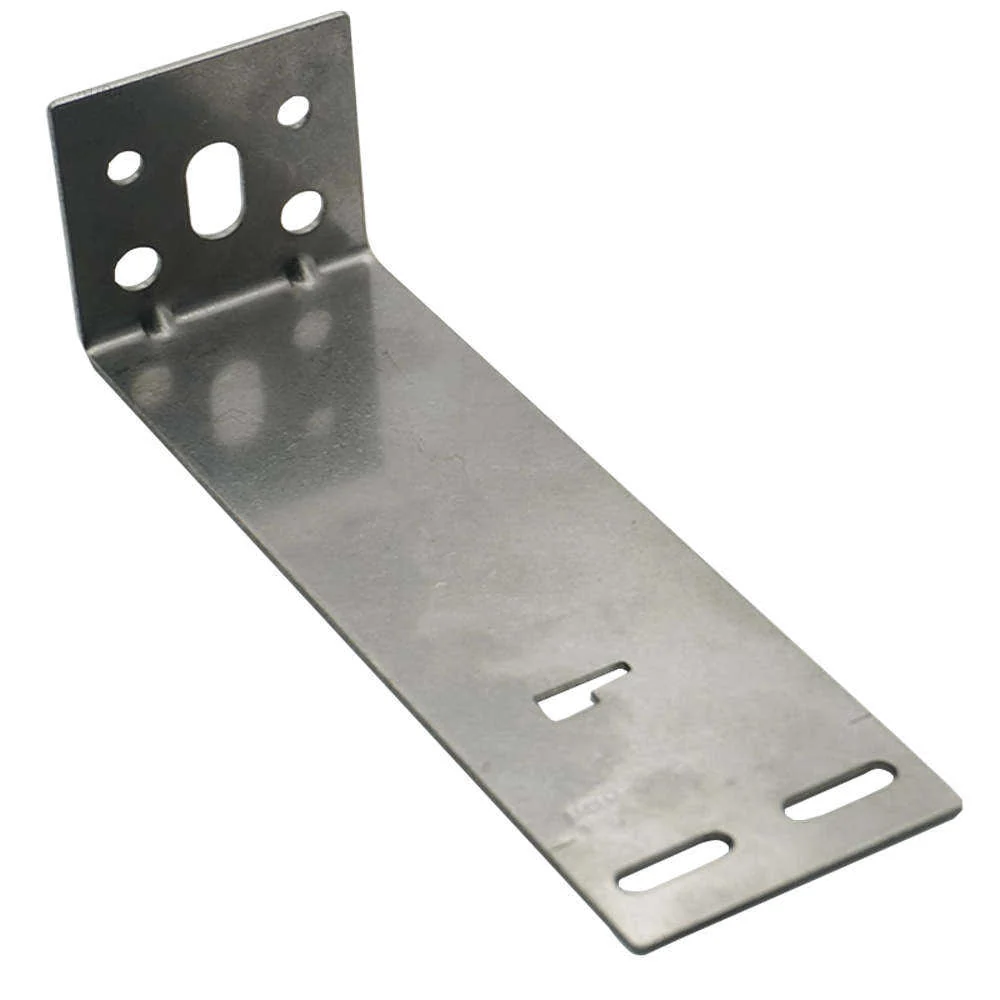
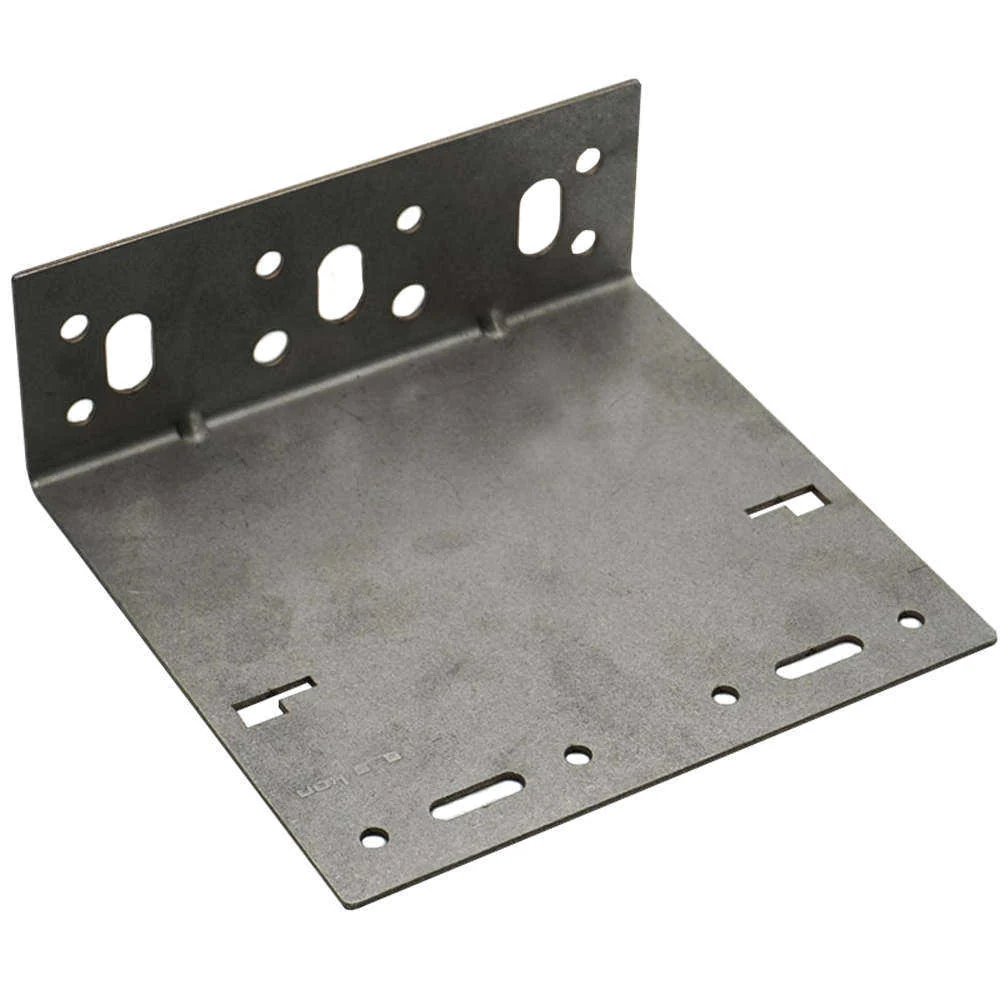
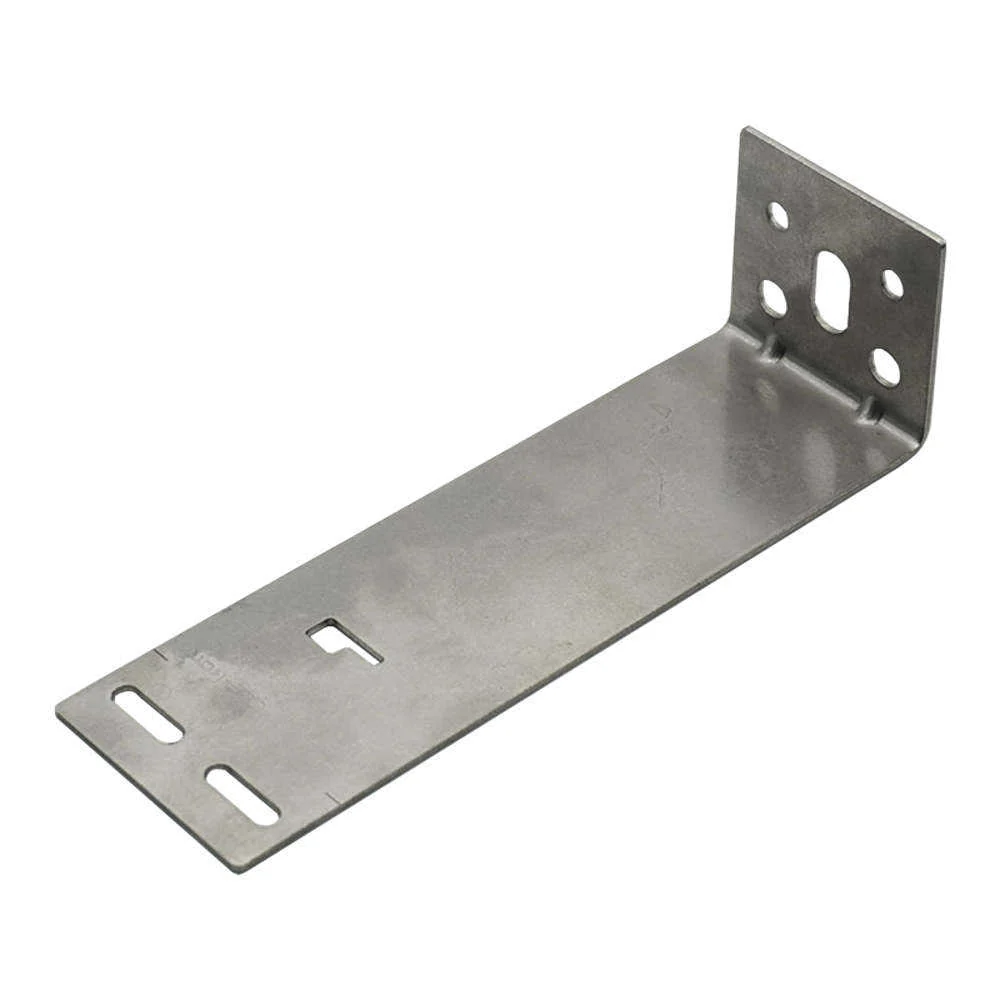
Custom laser cut stainless steel and aluminium bending sheet metal bracket parts are used to support, connect, mount, protect and position equipment components. They appear inside industrial machines, electrical cabinets, EV chargers, telecom equipment, automation systems, battery enclosures, medical equipment and commercial hardware.
At MSTFAB, we help OEM buyers turn drawings into practical bracket parts, panels, supports, housings and welded assemblies. The goal is not only to make metal look like your CAD file. The goal is to make parts that install cleanly, ship safely and repeat without giving your engineering team a new hobby called emergency troubleshooting.
Reviewed by MSTFAB Manufacturing Engineering Team. Last updated: June 30, 2026. Focus: stainless steel brackets, aluminium brackets, laser cutting, CNC bending, hardware features, finishing and drawing-based procurement checks.
What are custom laser cut and bent sheet metal bracket parts?
A custom sheet metal bracket is a made-to-drawing component used for mounting, supporting, locating or protecting another part. Some brackets are small and simple. Others include multiple bends, threaded inserts, slots, countersinks, welded features, surface finishing and packaging rules.
- Laser-cut holes, slots, tabs and mounting features
- CNC bending service for formed flanges, channels and support shapes
- Threaded holes, PEM nuts, studs, standoffs or rivet nuts
- Sheet metal welding service for structural supports and welded brackets
- Brushed, polished, powder-coated, anodized or galvanized surfaces
- Inspection, assembly markings and export-ready packaging
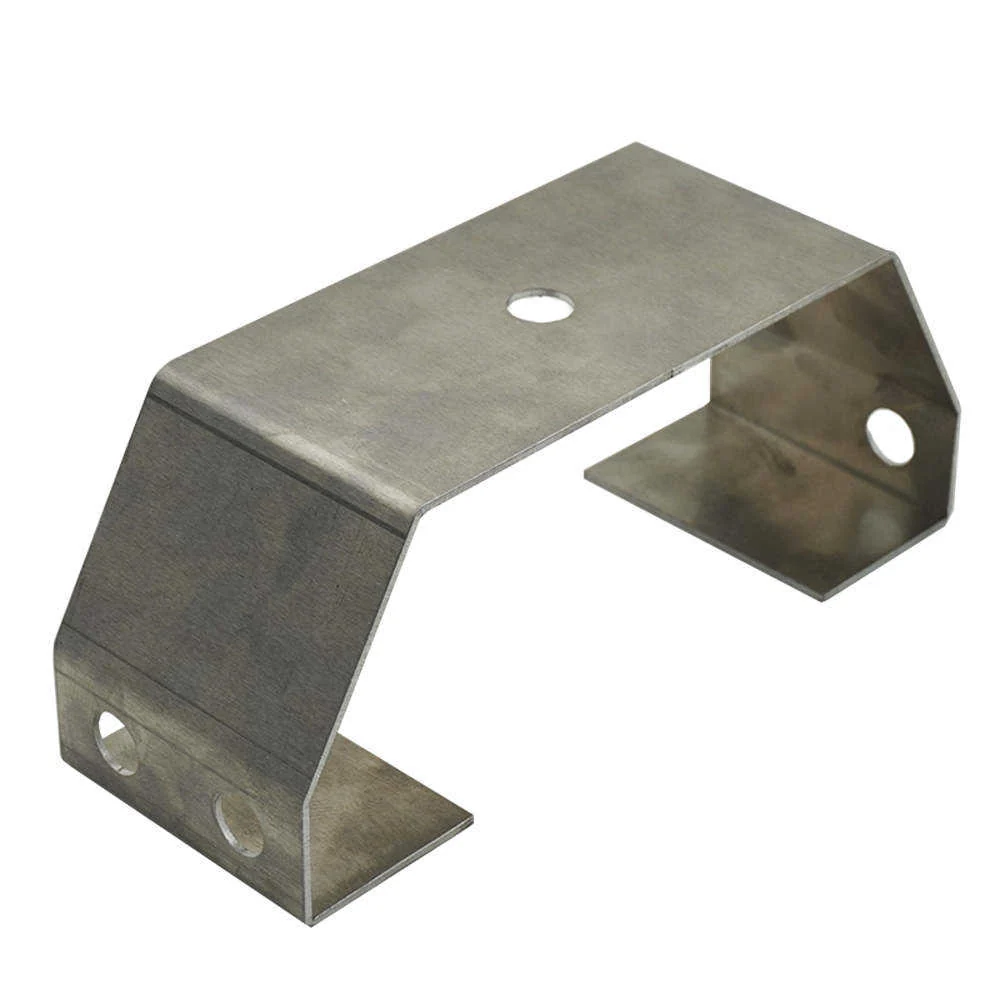
The simple version is: flat metal enters the factory, useful metal leaves the factory. The less simple version is that every bend, hole, tolerance, material grade, finish and packing method needs to work together.
The real buyer pain point: the drawing is correct, so why does the part not fit?
A drawing can be correct and still produce a bad part. That may sound rude to CAD software, but it is true.
A 2D or 3D drawing does not automatically show whether a bend radius is practical, whether a hole is too close to a bend, whether welding heat will distort the part, or whether powder coating thickness will affect final assembly.
| Problem buyers see | Common cause | What to review before production |
|---|---|---|
| Holes do not line up | Hole position, bend sequence or tolerance stack-up | Assembly drawing, critical dimensions and inspection points |
| Bracket cracks at the bend | Radius too small or material grade not suitable | Material thickness, grain direction and bend radius |
| Threads are difficult to assemble | Coating build-up or insufficient thread engagement | Masking, PEM hardware or post-finish tapping |
| Welded bracket is not flat | Heat distortion or weak fixture control | Welding sequence, fixture plan and flatness check |
This is why early DFM review matters. Before production, a practical supplier should review manufacturability, material selection, bend feasibility, hardware placement, welding sequence, finish requirements and inspection points. A fast quotation is useful. A quotation that catches a problem before production is much more useful.
For broader project support, review our custom sheet metal fabrication service and laser cutting service.
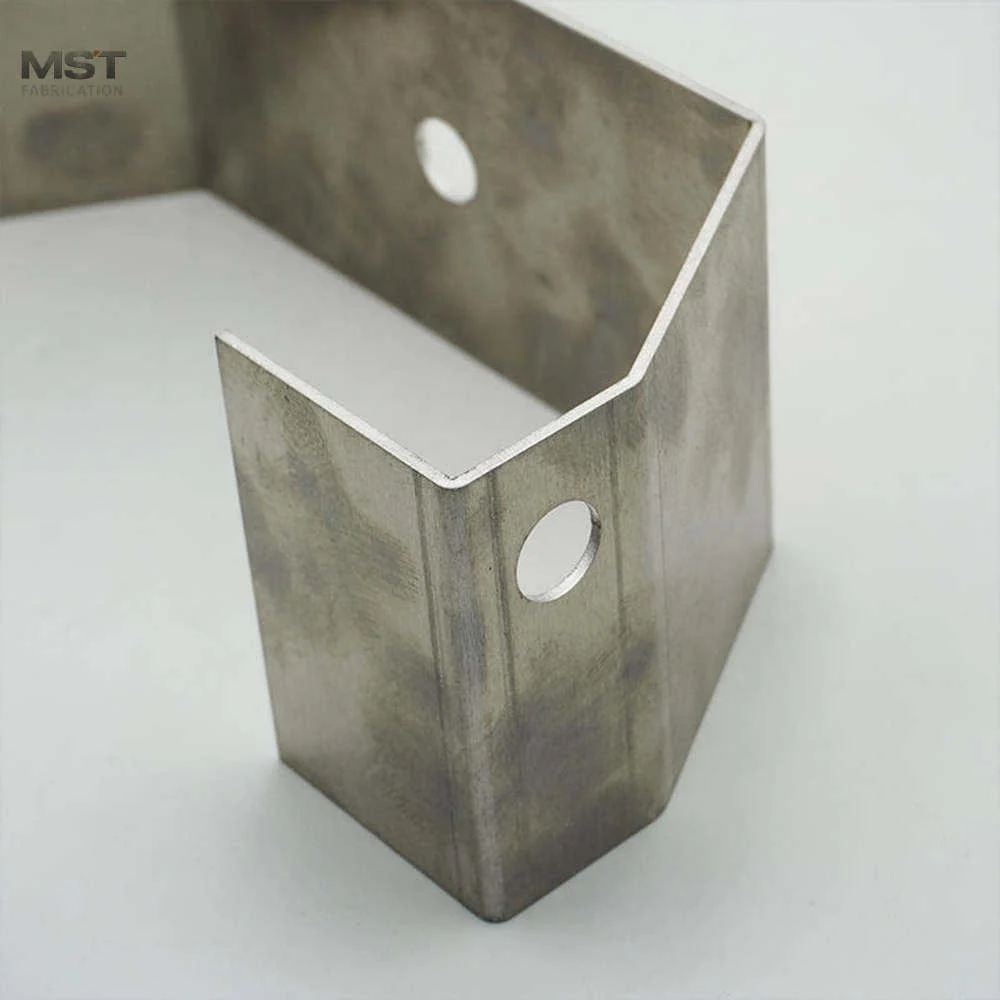
Stainless steel or aluminium: which material should you choose?
There is no universal best material. There is only the best material for the application. A bracket inside a dry control cabinet does not need the same specification as a bracket near seawater, chemicals or constant humidity.
| Material | Best used when | Buyer check |
|---|---|---|
| Stainless steel | Corrosion resistance, strength, hygiene or visible quality matter | Confirm 304 vs 316, surface brushing, passivation and weld finish expectations |
| Aluminium / aluminum | Weight reduction and corrosion resistance are important | Check grade, bend radius, stiffness, anodizing or powder coating requirement |
| Galvanized steel | Cost-effective corrosion protection is needed for industrial parts | Confirm coating compatibility, welding area treatment and edge protection |
| Cold rolled steel | Strength, clean forming and powder coating are required | Define finish, rust prevention and packaging protection |
For material-specific projects, see our stainless steel sheet metal fabrication and aluminum sheet metal fabrication pages.
Laser cutting: more than just cutting a shape
Laser cutting creates the flat pattern before bending, welding or assembly. It can produce holes, slots, ventilation patterns, cable cutouts, logos, mounting points and complex profiles.
Buyers should not only ask, “Can you cut this?” A better question is, “Can you cut this in a way that helps the next process?” Laser-cut tabs can help locate parts before welding. Small relief cuts can reduce bending stress. Correct hole placement can make assembly easier. Smart design saves money before the machine even starts moving.
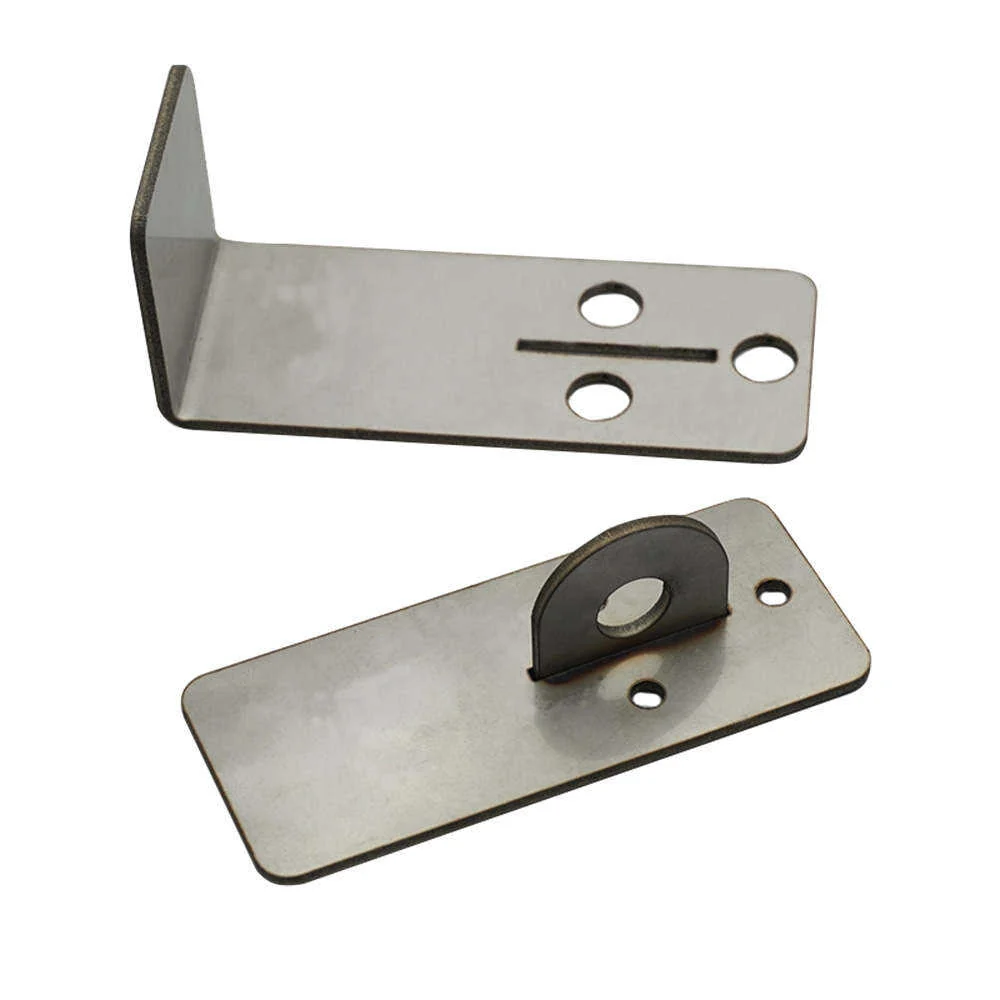
CNC bending: where flat metal learns its job
CNC bending turns a flat laser-cut blank into a usable bracket, channel, cover, frame or enclosure component. This is also where many unpleasant surprises happen.
A drawing may show a clean 90-degree bend, but the real result depends on material type, thickness, grain direction, bend radius, tooling, flange length and springback. Springback is the reason a bent part sometimes politely disagrees with the drawing.
- Bend angle and bend direction
- Inside bend radius
- Distance between holes and bends
- Minimum flange length
- Material thickness and surface protection
- Whether the part assembles with another component
A practical tip: do not make every tolerance extremely tight “just in case.” Tight tolerances increase setup time, inspection work and cost. Mark the dimensions that truly matter. Your supplier will thank you. Your budget may also send flowers.
Holes, slots and hardware features need extra attention
Mounting holes look harmless. They are not always harmless. A small position error can stop a bracket from fitting onto a machine frame, cabinet, rail, motor or electrical panel.
| Feature | Why it matters | Common production note |
|---|---|---|
| Slots | Allow adjustment during installation | Confirm slot width and edge distance |
| Countersunk holes | Keep screw heads flush | Confirm screw standard and visible surface |
| PEM nuts or studs | Add reliable threads to thin sheet metal | Confirm installation side and finish sequence |
| Weld nuts | Useful for stronger threaded joints | Plan welding distortion and coating coverage |
If the bracket connects to other parts, send an assembly drawing, exploded view or sample photo. One screenshot showing how the part is installed can prevent many emails, revisions and heroic last-minute fixes.
Welding and surface finish: the details buyers notice first
Some bracket parts need only laser cutting and bending. Others need welding to create stronger frames, supports, bases or multi-part assemblies. Welding adds strength, but it also adds heat, and heat can cause movement, discoloration and surface changes.
Surface finish affects appearance, corrosion resistance, scratch visibility, cleaning, assembly and packaging. A black powder-coated bracket may look excellent in a product photo, but it can scratch during transport without correct protection.
- Powder coated sheet metal parts
- Brushed or polished stainless steel
- Anodizing for aluminium
- Galvanizing or zinc plating for corrosion protection
- Protective film for visible surfaces
Do not simply write “black finish” on a purchase order. That is how different people imagine different shades of black and everyone becomes disappointed in a very professional email chain.
What to send for a faster and more accurate quote
The best quote request is not the longest email. It is the clearest one.
- 3D STEP file
- 2D PDF drawing with dimensions
- DXF or DWG flat pattern
- Material grade and thickness
- Required quantity
- Surface finish specification
- Critical tolerances
- Welding and hardware requirements
- Assembly drawing or product photo
- Packaging requirement and target delivery date
For quality-critical parts, ask whether a dimensional inspection report can be provided for key dimensions. It is much easier to discuss hole location before shipment than after your assembly line discovers modern abstract geometry.
How to verify a sheet metal fabrication supplier before ordering
A supplier website can say many nice things. A good buyer checks evidence. Before placing an order, ask for factory photos, similar process examples, DFM feedback, inspection photos, packaging examples, drawing revision control and a clear quotation scope.
You should be able to see whether the supplier understands laser cutting, bending, welding, finishing and assembly, not just whether they know how to copy your drawing into a quotation template.
Frequently asked questions
Can you make sheet metal brackets from my drawing?
Yes. Custom bracket parts can be manufactured from STEP files, PDF drawings, DXF files, DWG files, samples, sketches or reference photos. A complete drawing package helps reduce uncertainty before production.
Can stainless steel and aluminium both be laser cut and bent?
Yes, but material behavior differs. Bend radius, springback, surface protection, finish and fabrication method should be reviewed according to the selected material grade and thickness.
Do you only provide laser cutting?
No. For many projects, laser cutting is only the first stage. MSTFAB can combine cutting, CNC bending, welding, hardware insertion, surface treatment, assembly, inspection and packing.
How can I reduce the cost of custom sheet metal brackets?
Use practical tolerances, avoid unnecessary complex bends, combine parts where possible, choose suitable material thickness, provide clear drawings and discuss DFM improvements before production. The cheapest-looking quote is not always the lowest total cost after delays, rework and assembly problems.
Ready to turn your drawing into a real bracket part?
A good custom bracket is not just cut metal with a bend in it. It is a component that fits your equipment, survives installation, matches your finish requirement, arrives safely and can be reordered with consistent quality.
Send your drawing, material requirement, quantity and application details to MSTFAB. Our team will review the project for practical manufacturing risks before you invest in production. Because the best time to find a bad bend is before it reaches your assembly line.
 WeChat Contact
 WhatsApp Me Directly