
Quick Answer: The top aluminum casing manufacturer in China is not simply the supplier offering the lowest price, the largest factory or the broadest list of aluminum grades. The right manufacturer depends entirely on the type of casing you need. A bent 5052 sheet metal enclosure, a CNC-machined 6061 housing, a 6063 extruded electronics case, and a die-cast aluminum shell are four distinct manufacturing projects requiring entirely different capabilities. Before selecting a Chinese aluminum casing manufacturer, you must evaluate their alloy knowledge, raw-material traceability, specific process capabilities, and anodizing control. A trustworthy manufacturer does not recommend “the best aluminum” before thoroughly reviewing your drawing, application environment, and production quantity.
Why “Aluminum Casing” Is Not One Product Category
International buyers often search for an “aluminum casing manufacturer” as though all aluminum housings are produced through the identical process. In practice, aluminum casings normally fall into four very different manufacturing categories.
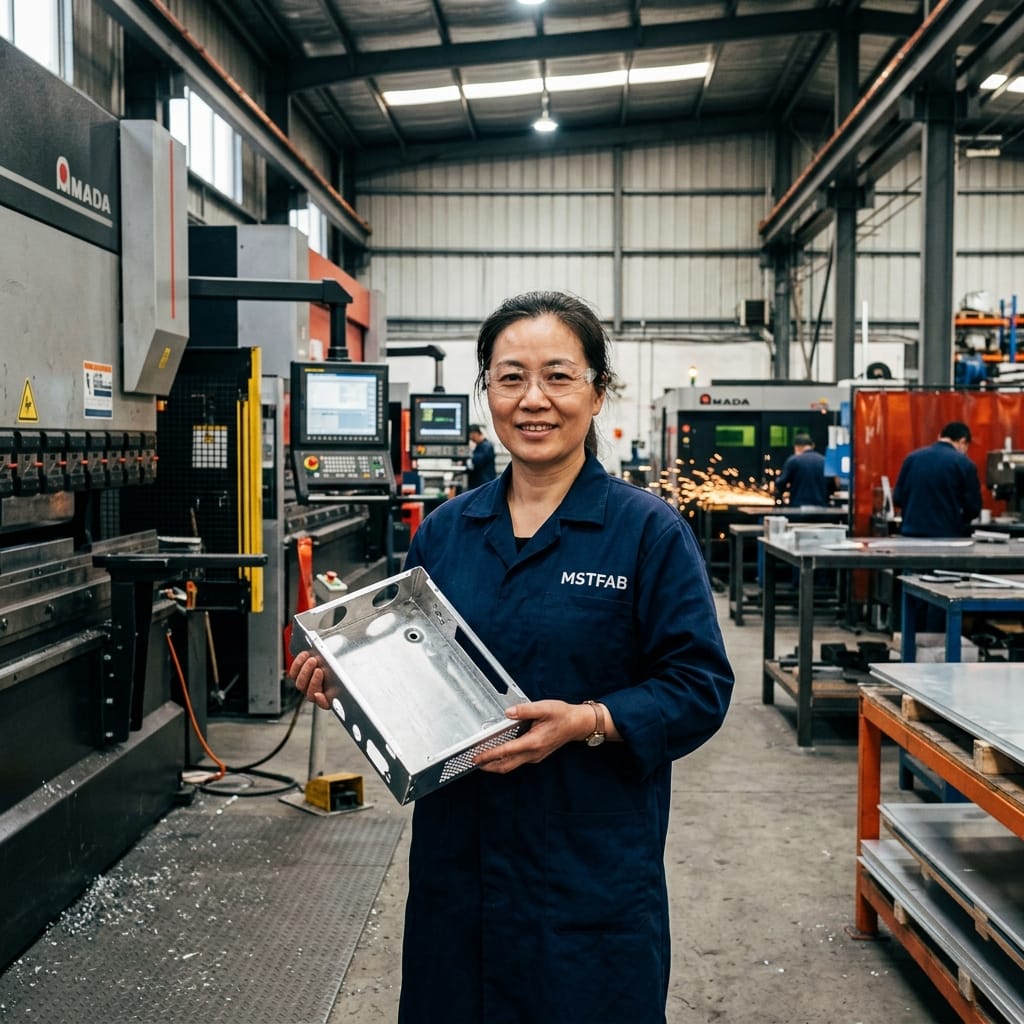
1. Sheet Metal Aluminum Casings
Sheet metal enclosures are manufactured through laser cutting, CNC punching, press-brake bending, and welding. Common applications include electrical-control boxes, test-equipment housings, and robotics covers. Alloys such as 3003 and 5052 are widely considered for formed sheet metal products due to their strong fabrication and bending characteristics.
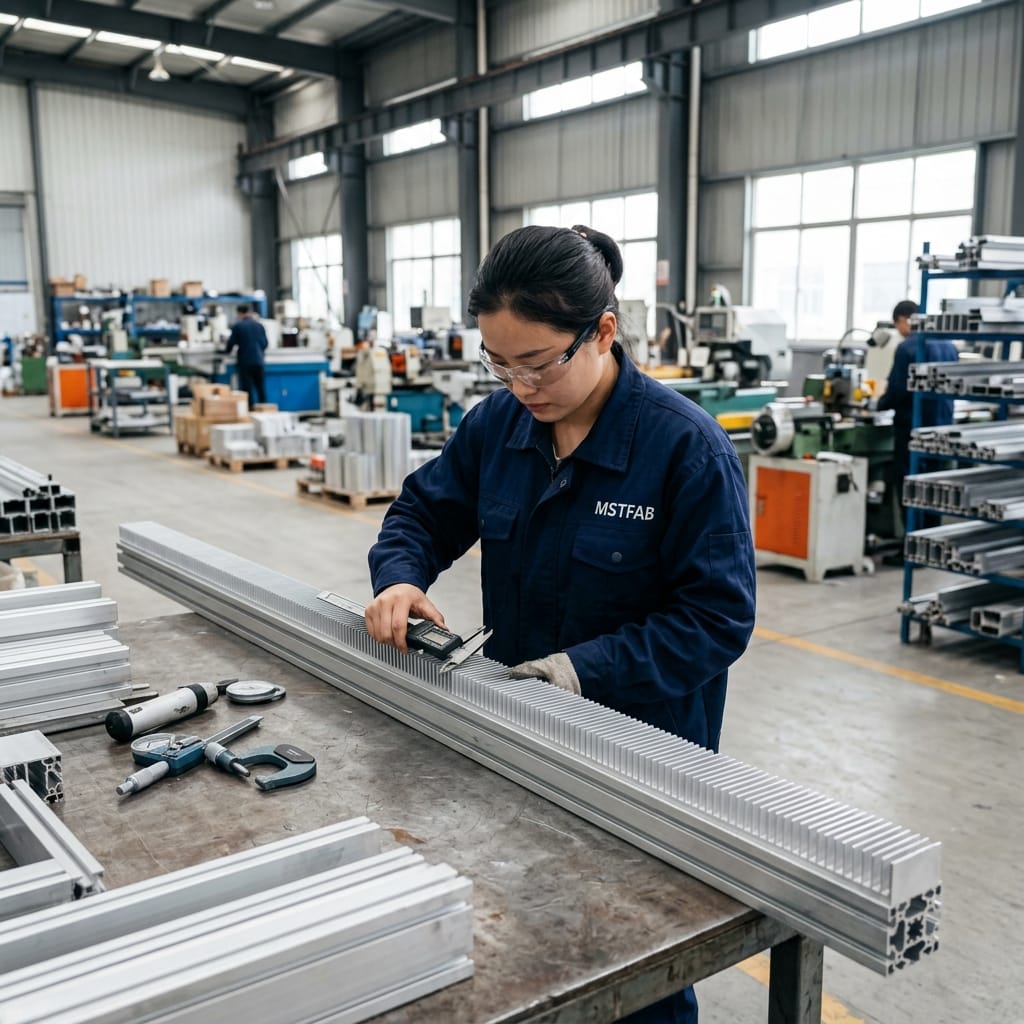
2. Extruded Aluminum Casings
Extruded casings begin with an aluminum profile pushed through a die, often featuring internal PCB slots, heat-sink fins, or screw channels. The supplier then performs cut-to-length operations and CNC machining. 6063 is a popular extrusion alloy valued for its excellent anodizing response.
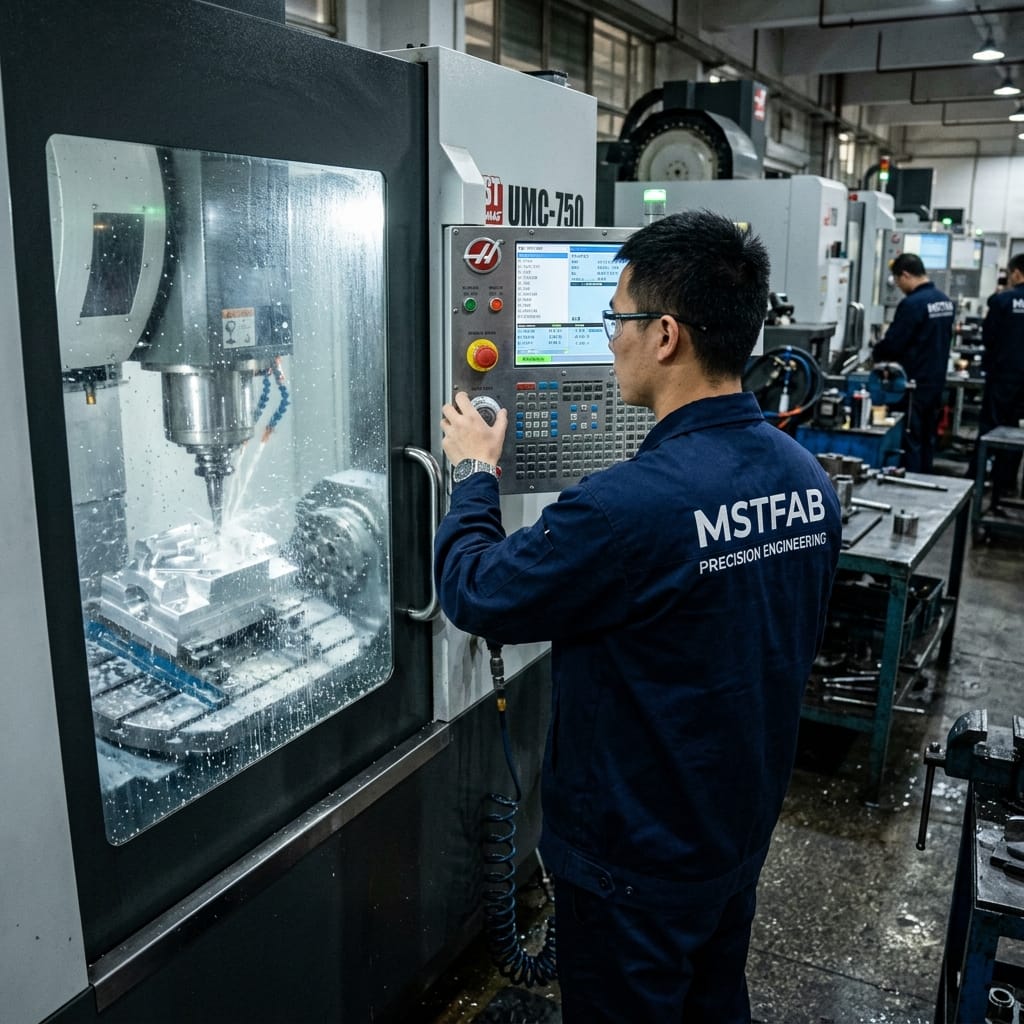
3. CNC-Machined Aluminum Housings
A machined housing is produced from solid aluminum plate, bar, or extruded stock to create precision cavities and sealing grooves. 6061 is widely used here as a versatile heat-treatable structural alloy with excellent machining characteristics.
4. Die-Cast Aluminum Casings
High-pressure die casting is normally reserved for high-volume production where the casing contains complex ribs, thin walls, and integrated mounting features. It requires dedicated tooling and specialized process control.
The 7-Dimension Materials Scorecard
Do not rank shops by gut feel. Here are the seven dimensions you should weight when evaluating an aluminum casing manufacturer:
Common Aluminum Alloys for Casings
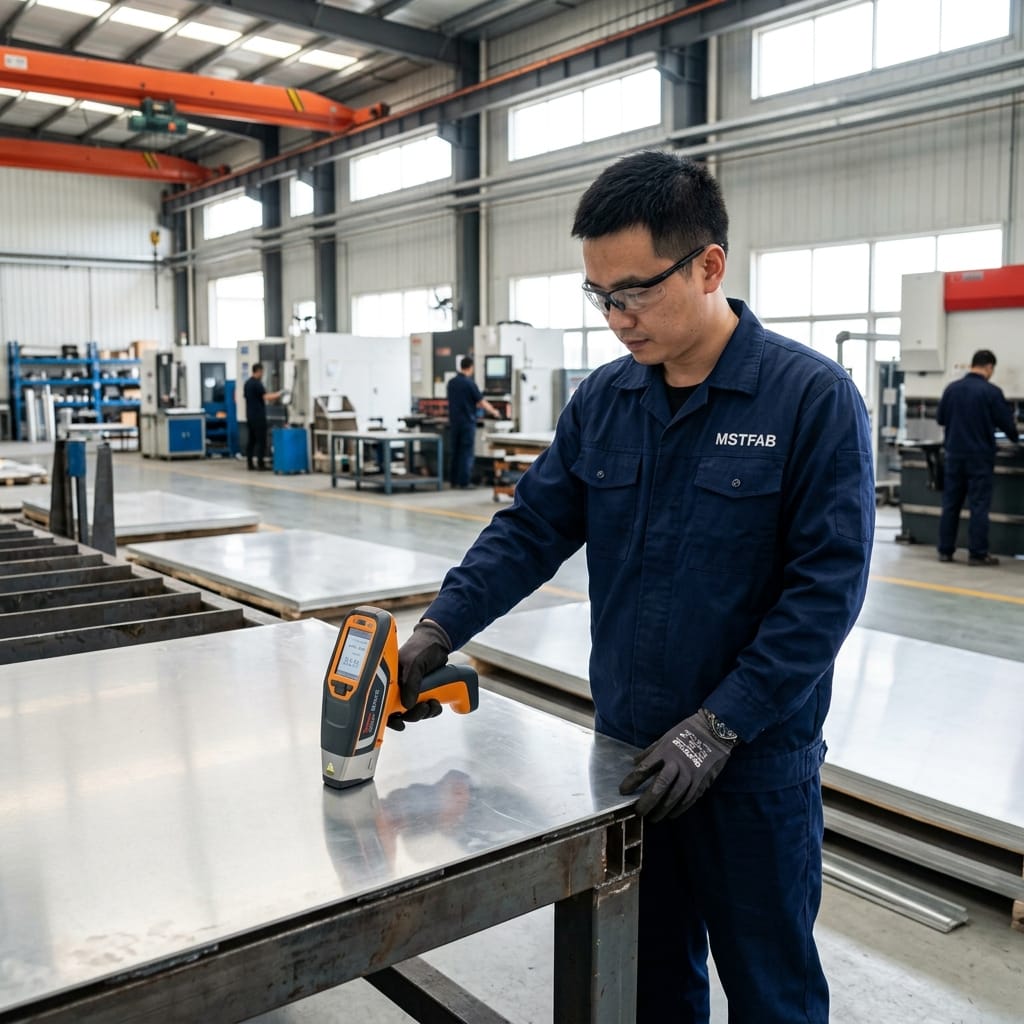
- 3003 Aluminum: A non-heat-treatable alloy with good formability and general corrosion resistance. Often used for light-duty housings, though it may lack consistent decorative anodizing results.
- 5005 Aluminum: Ideal for decorative sheet-metal panels where a highly consistent anodized appearance is critical.
- 5052 Aluminum: The gold standard for fabricated sheet metal casings. It offers a practical balance of formability, corrosion resistance, and moderate strength. Temper matters: 5052-H32 is the most common specification for bending.
- 5083 Aluminum: Associated with marine equipment housings and demanding welded applications due to exceptional corrosion resistance.
- 6061 Aluminum: A widely used structural alloy perfect for CNC-machined housings, thick mounting plates, and precision interfaces. Warning: 6061-T6 should not automatically replace 5052-H32 in a bent sheet metal design without checking bend radii limits.
- 6063 Aluminum: The go-to alloy for extruded casings (like heat sinks). Highly valued for its excellent decorative anodizing characteristics.
Inspect Anodizing and Surface-Finish Control
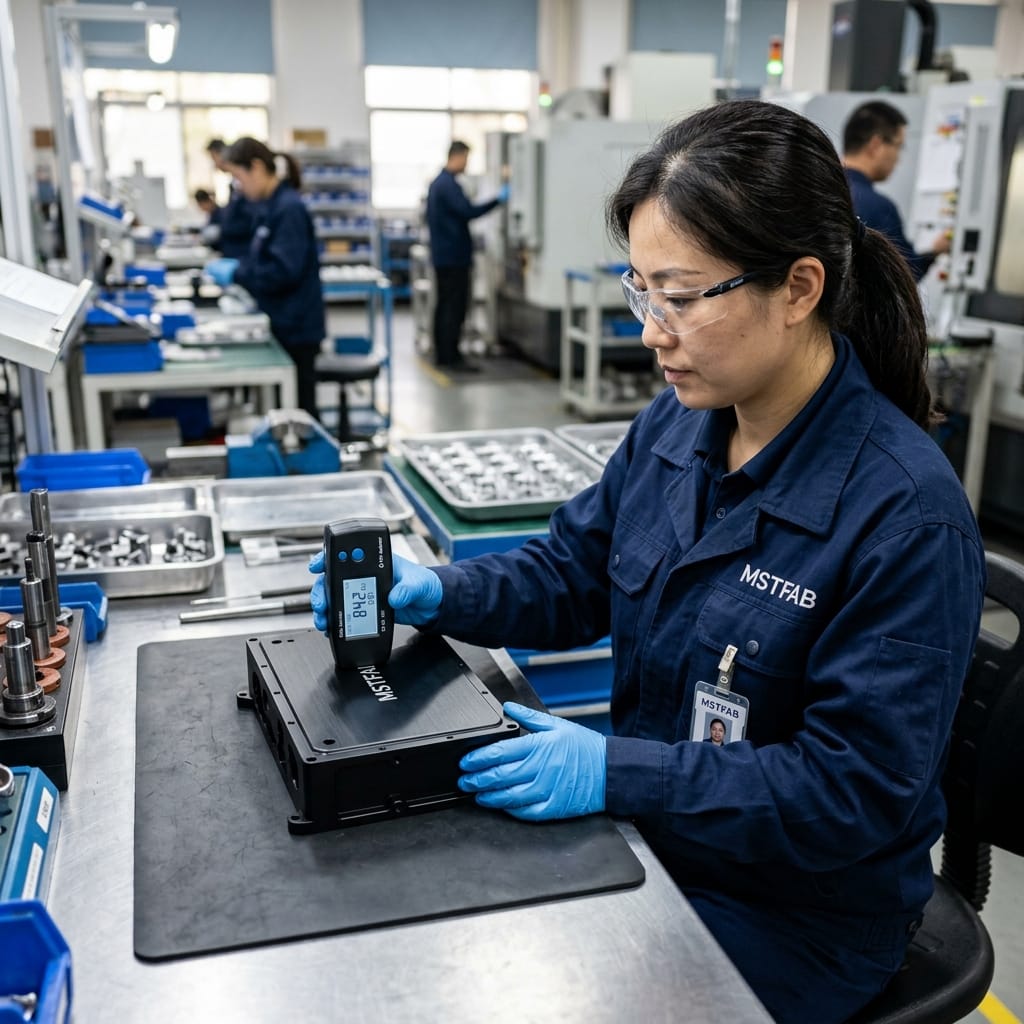
Surface finishing is one of the most common sources of disagreement. Different alloying elements influence color, brightness, and surface uniformity during anodizing. For example, thicker anodic coatings on 5052 may develop a yellowish tint, while 6063 generally offers strong, clear characteristics.
Do not approve an anodized color from a computer screen. For cosmetic products, you must approve a physical sample made from the actual alloy using the intended surface preparation.
Require First-Article Inspection and Repeatability
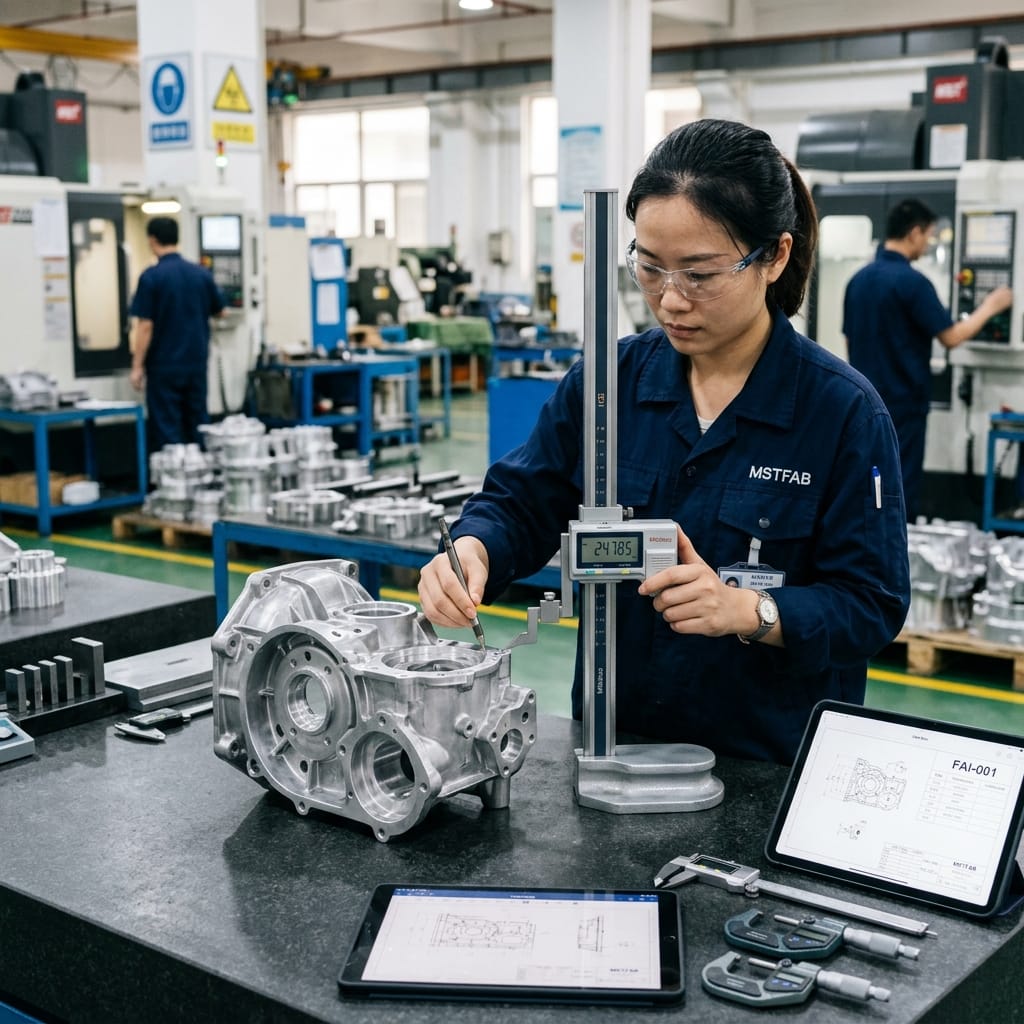
A supplier should not be approved based solely on website photographs. Use a representative paid trial order. The trial order should test the correct alloy/temper, cutting quality, bend accuracy, machined interfaces, and assembly fit. A robust First Article Inspection (FAI) package is the only way to prove a supplier’s capability.
Key Takeaways
- China’s top aluminum casing manufacturers should be compared by material and process evidence, not by generic rankings.
- Identify whether your casing requires sheet metal fabrication, extrusion, CNC machining, or die casting—these are different supplier profiles.
- Specify the exact Alloy and Temper (e.g., 5052-H32 or 6061-T6), as this dictates forming behavior, machining speed, and anodizing results.
- Anodized appearance depends heavily on the alloy chemistry. Always approve a physical master sample.
FAQ
What is the best aluminum alloy for a sheet metal casing?
There is no universal best alloy. 5052-H32 is frequently considered for bent and welded sheet metal casings because it offers a useful balance of formability, corrosion resistance, and strength. However, 3003, 5005, or 5083 may be more appropriate depending on cosmetic, structural, and environmental requirements.
Is 6061 better than 5052 for an enclosure?
Not automatically. 6061 is commonly used for machined, structural, and extruded components. 5052 is often more practical for formed sheet metal casings requiring complex bends. The correct choice depends entirely on the manufacturing process.
Can 6061-T6 be bent?
It can be formed under suitable conditions, but the required bend radius, thickness, grain direction, and tooling must be carefully reviewed. A supplier should not substitute 6061-T6 into a design developed for a more formable sheet alloy without engineering approval, as it risks cracking.
Which aluminum alloy is best for anodizing?
6000-series extrusion alloys such as 6063 are highly valued for their excellent anodizing response. For decorative sheet applications, 5005 is frequently considered. While other alloys like 5052 and 6061 can be anodized, their final color and appearance uniformity may vary.
Is an extruded aluminum casing cheaper than sheet metal?
It depends on quantity and geometry. Extrusion requires custom die tooling upfront but significantly reduces machining and assembly time when producing a constant cross-section in volume. Sheet metal offers greater flexibility, zero NRE costs for standard bends, and is cheaper for prototypes and large rectangular housings.
 WeChat Contact
 WhatsApp Me Directly