
Build-to-Print Laser Cutting Services for Custom Sheet Metal Enclosure Parts
Build-to-print laser cutting is for OEM buyers who already have approved drawings and need a factory to manufacture the metal parts accurately. The work sounds simple: follow the drawing. In real sourcing, that sentence carries a lot of weight, because a small DXF error, missing tolerance or unclear edge note can turn a neat sheet metal enclosure project into a box of small regrets.
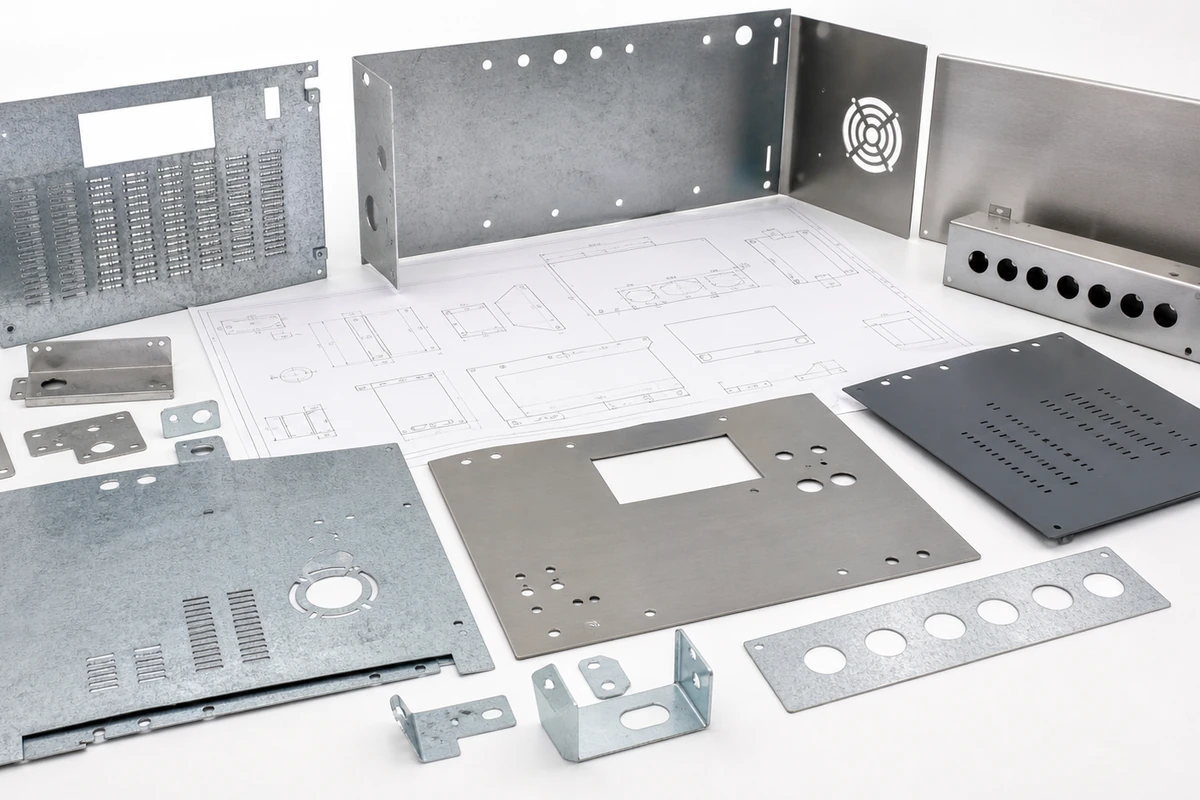
Short answer: build-to-print laser cutting services should convert your approved DXF, STEP and 2D drawings into repeatable sheet metal enclosure blanks, panels, brackets and bend-ready parts. For custom enclosure projects, buyers should confirm drawing revision, material grade, thickness, cutout tolerance, burr requirements, edge finish, bend handoff, inspection and export packing before releasing production.
Scope note: MSTFAB manufactures custom sheet metal enclosure parts and related metal components from buyer drawings. We focus on semi-finished parts such as laser-cut panels, doors, back plates, brackets, louver plates, gland plates, rail strips and empty enclosure shells. Your team controls later system build steps.
What Build-to-Print Laser Cutting Means for OEM Buyers
Build-to-print means the supplier manufactures according to your approved drawing package. It is different from asking a supplier to invent the product for you. In a good build-to-print project, the buyer owns the design intent, and the factory owns the manufacturing discipline: file review, material confirmation, laser cutting, edge checks, part identification, inspection and handoff to the next process.
For custom sheet metal enclosure parts, build-to-print work often starts with flat blanks. Those blanks may later become cabinet side panels, doors, gland plates, ventilation covers, mounting brackets, hinge plates, rails or bent shells. If the blank is wrong, every later step inherits the problem. Laser cutting is the first domino, so it should not be treated as a casual “just cut this shape” task.
This article is written for procurement managers, engineers and sourcing teams who buy drawing-based sheet metal parts from China. The goal is practical: reduce quote confusion, avoid rework, and help your supplier deliver parts that match your real assembly intent. No poetry. No fog machine. Just metal parts behaving like the drawing says they should.
| Buyer question | Why it matters | What MSTFAB checks |
|---|---|---|
| Is the drawing revision clear? | Old files create wrong parts even when cutting accuracy is good | Revision code, file date, matching DXF/STEP/PDF package and buyer approval notes |
| Are holes, slots and cutouts manufacturable? | Tiny features and narrow bridges can distort or raise cost | Minimum hole size, slot width, corner radius, tab strength and edge condition |
| Will the blank move to bending or welding? | Cut geometry must support later forming and fit-up | Bend relief, hole-to-bend distance, flange layout and fixture access |
| What edge and surface condition is required? | Burrs and handling marks affect coating, fit and buyer inspection | Burr limits, visible surfaces, deburring needs, grain direction and packing protection |
Why Build-to-Print Projects Still Need DFM Review
Some buyers think build-to-print means the supplier should never ask questions. That sounds clean, but it is not how good manufacturing works. A supplier should not redesign your product without permission, but it should flag obvious manufacturing risks. If a hole is too close to a bend, a slot is too narrow for stable cutting, or a cutout will distort during forming, silence is not professionalism. It is just a slow way to make scrap.
DFM review for build-to-print laser cutting should be focused and respectful. The supplier checks manufacturability, not your product strategy. It should point out risks, explain options and let the buyer decide. For overseas OEM projects, this review is especially useful because one short comment before production can prevent weeks of email after the sample arrives.
MSTFAB reviews drawing-based projects before quoting when the file package gives enough information. For enclosure parts, we look at cut features, material thickness, bend areas, surface requirements, downstream process route and packing risk. The goal is to keep the quote accurate and the delivered parts usable.
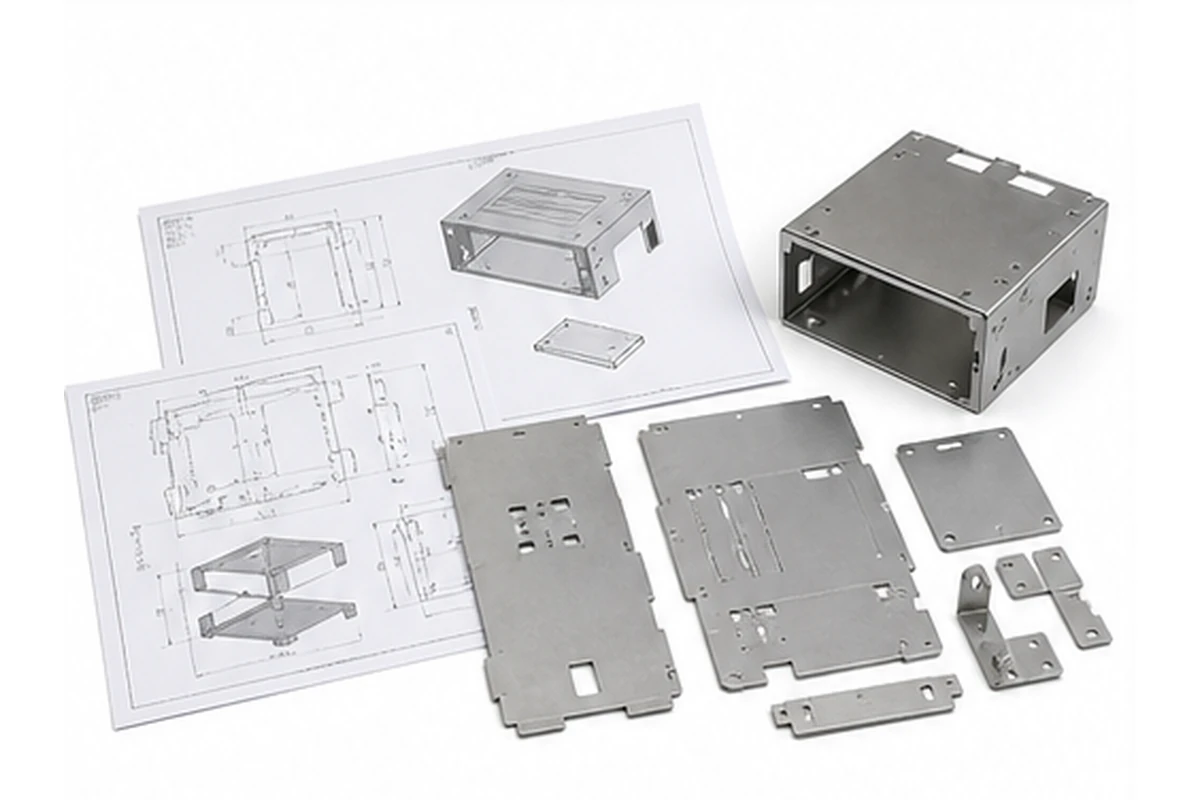
Files Needed for a Clean Build-to-Print Laser Cutting Quote
A good quotation starts with a good file package. A lonely DXF file can describe a shape, but it often cannot describe the full buying requirement. The factory may still need material, thickness, tolerance, finish, quantity, visible-surface rules and whether the part will be bent, welded or coated later.
For custom sheet metal enclosure parts, the safest RFQ package usually includes a 3D STEP or STP file, a 2D PDF or DWG drawing, a DXF file for flat laser cutting when available, material grade, thickness, surface finish, quantity, revision number and packing notes. If the part has a visible surface, say so. If the cut edge must be smooth because a gasket or mating part touches it, say so. Factories are good at metal, not mind reading.
Send these files
- DXF for flat cutting geometry when the blank is approved
- STEP or STP for 3D reference and downstream forming
- 2D PDF or DWG with tolerances, revision and notes
- Assembly reference if holes must match another part
Define these details
- Material grade, thickness and surface side
- Cut edge expectation, burr limit and deburring rule
- Quantity, batch plan and annual demand
- Finish, masking, packing and label requirements
Avoid these traps
- Sending DXF and PDF files with different revisions
- Leaving critical dimensions only inside the 3D model
- Forgetting bend direction or visible-surface rules
- Asking for a fast quote before the material is known
Laser-Cut Blanks for Sheet Metal Enclosures
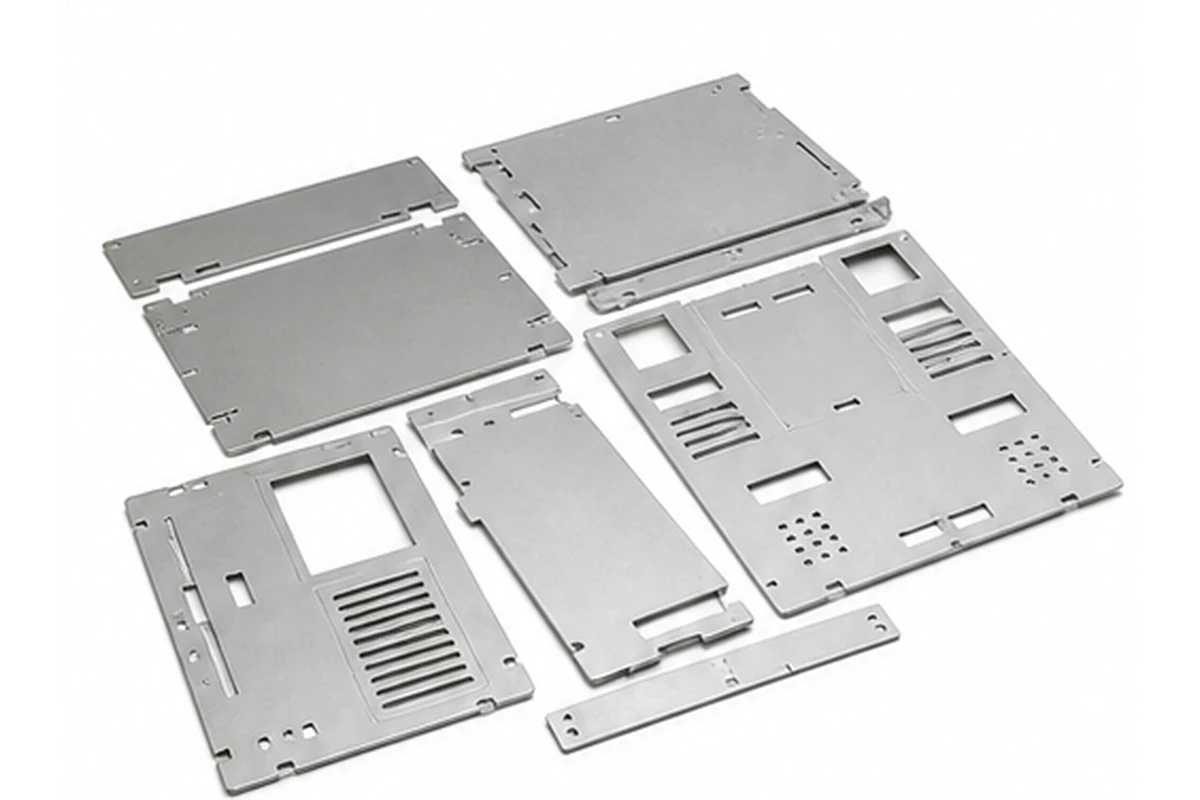
Many enclosure projects begin as flat sheet metal blanks. The blank may become a door, cover, side panel, bottom plate, gland plate, back plate, rack rail, bracket or louver panel. Laser cutting must hold the features that later processes depend on: hole size, slot location, tab position, cutout corners, bend relief and reference edges.
For build-to-print buyers, repeatability is often more valuable than a dramatic first sample. A single sample can look fine. The real test is whether batch parts keep the same hole pattern, edge quality and profile accuracy. If a mating bracket uses a row of holes, one shifted hole can slow assembly. If a door blank is not flat or has poor corner geometry, later bending and sealing may suffer.
Laser cutting is fast, but speed only helps when the file is right. MSTFAB checks the approved drawing package, material and process route so the cutting work supports the enclosure project instead of creating hidden work for the next department.

Cut Feature Rules Buyers Should Review
Small holes, narrow slots, sharp internal corners and thin bridges can create manufacturing headaches. The exact limit depends on material thickness, grade, machine setup and finish requirements, but the sourcing logic is simple: the smaller and tighter the feature, the more the factory needs clear notes.
For enclosure panels, a square cutout might look harmless in CAD, but a sharp internal corner can concentrate stress or create a finishing challenge. A row of ventilation slots might look tidy, but if the bridges are too thin, the panel can distort or become fragile. A large opening near a bend line might shift after forming. These are not reasons to panic. They are reasons to review.
| Feature | Possible sourcing risk | Better RFQ instruction |
|---|---|---|
| Tiny holes | Inconsistent quality, burrs or extra processing cost | Confirm minimum diameter, tolerance and whether tapping or insert hardware follows |
| Narrow slots | Heat distortion or weak bridges between slots | Define acceptable slot width, bridge width and cosmetic expectation |
| Large cutouts | Panel flexing, warping or finish sensitivity | Confirm reinforcement, bend sequence and handling protection |
| Sharp corners | Stress concentration and finishing difficulty | Add practical corner radius where design allows |
| Visible edges | Scratches, burrs or inconsistent deburring can fail incoming QC | Mark visible sides, edge condition and packing method clearly |
Build-to-Print Does Not Stop at the Laser Table
Even when the article keyword is laser cutting, many enclosure projects need downstream work. Laser-cut blanks may go to CNC bending, welding, grinding, PEM hardware insertion, powder coating, inspection and packing. If the laser cutting supplier does not understand what happens next, the blank can be accurate but still inconvenient.
For example, a flange hole too close to a bend may cut perfectly but become distorted after forming. A mounting tab might be easy to cut but difficult to weld in the correct position. A powder-coated panel might pass cutting inspection but fail later because a visible face was scratched before packing. Build-to-print laser cutting should support the full sheet metal route, even when the cutting operation is the first step.
This is why MSTFAB connects laser cutting decisions with the next process route. The drawing package tells us what to cut. The manufacturing plan tells us how to avoid making the next step painful.
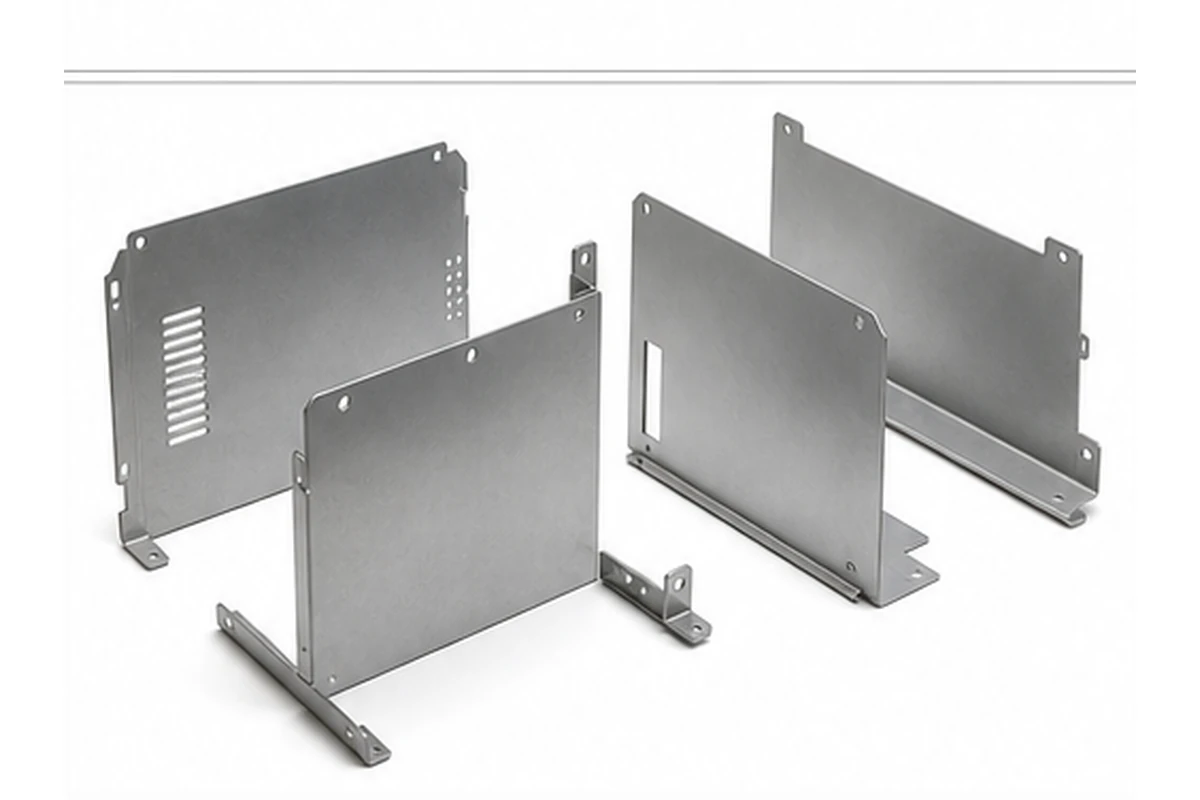
Material Choices for Build-to-Print Sheet Metal Parts
Material affects price, cutting speed, edge quality, bending behavior, welding, finishing and packing. Buyers should not treat material as a small line item. A low-cost material can be the right choice, but only when the environment, finish and forming requirement make sense.
Common build-to-print laser cutting materials for enclosure parts include cold-rolled steel, galvanized steel, stainless steel and aluminum. Cold-rolled steel is common for painted panels and indoor cabinets. Galvanized steel helps with corrosion resistance in many utility and outdoor-oriented parts. Stainless steel supports premium or harsh-environment panels. Aluminum is useful for lightweight covers and cabinets, but bend radius and surface protection need more care.
| Material | Typical enclosure use | Buyer check |
|---|---|---|
| Cold-rolled steel | Painted enclosure panels, doors, brackets and covers | Thickness, flatness, powder coating color and bend requirement |
| Galvanized steel | Utility panels, back plates, outdoor-oriented brackets and cabinet parts | Cut-edge treatment, welding route and finish compatibility |
| Stainless steel | Visible panels, harsh-environment parts and premium covers | Grade, grain direction, visible side, burr rule and scratch protection |
| Aluminum sheet | Lightweight covers, communication enclosure parts and heat-sensitive applications | Alloy, bend radius, surface finish and packing protection |
Small Brackets Can Create Big Sourcing Problems
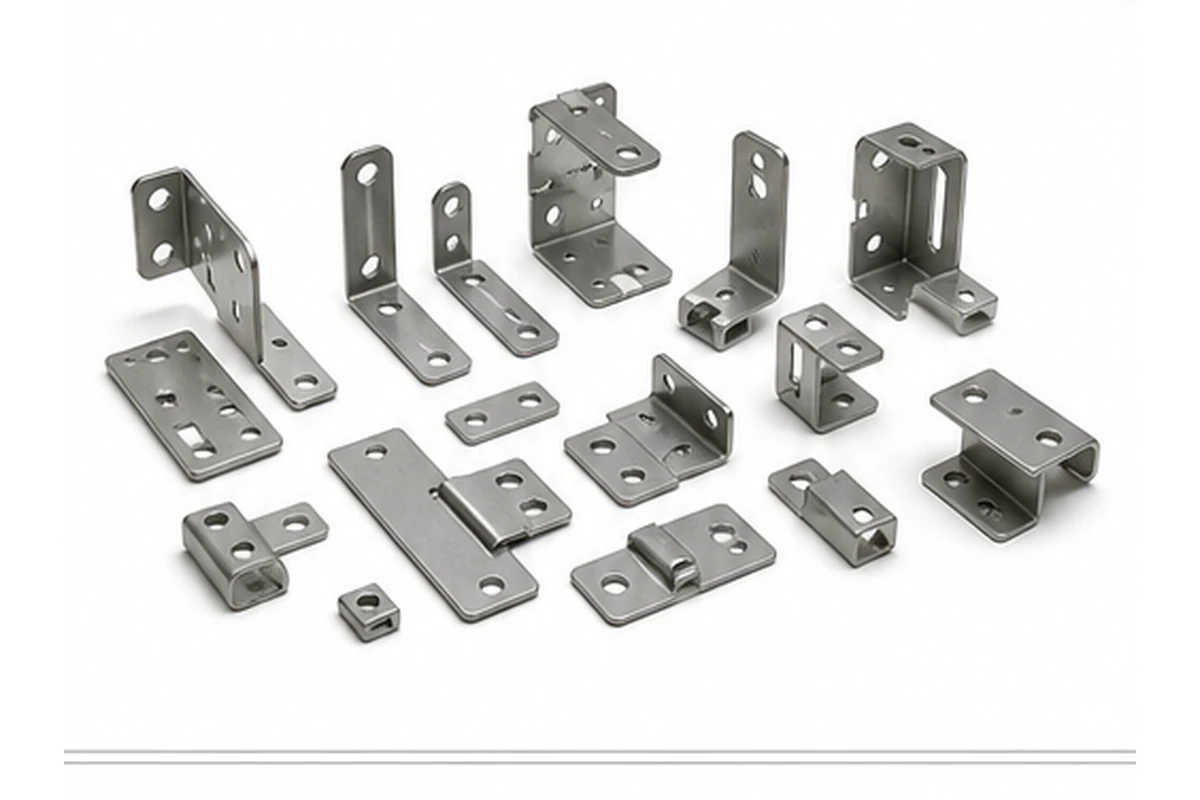
Brackets are small enough to be underestimated and important enough to ruin a schedule. A bracket may locate a door, hold a rail, support a panel, align a hinge or position a mounting point. If the hole pattern is wrong, the part may look cheap but cost plenty in rework time.
Build-to-print laser cutting for brackets should check hole size, slot direction, bend line, material grain, deburring, thread or insert requirements and packing. A pile of small brackets thrown into a carton may save five minutes at the factory and create five hours of sorting for the buyer. Labeling and grouping matter, especially when a kit contains many similar parts.
How MSTFAB Handles Drawing-Based Laser Cutting Projects
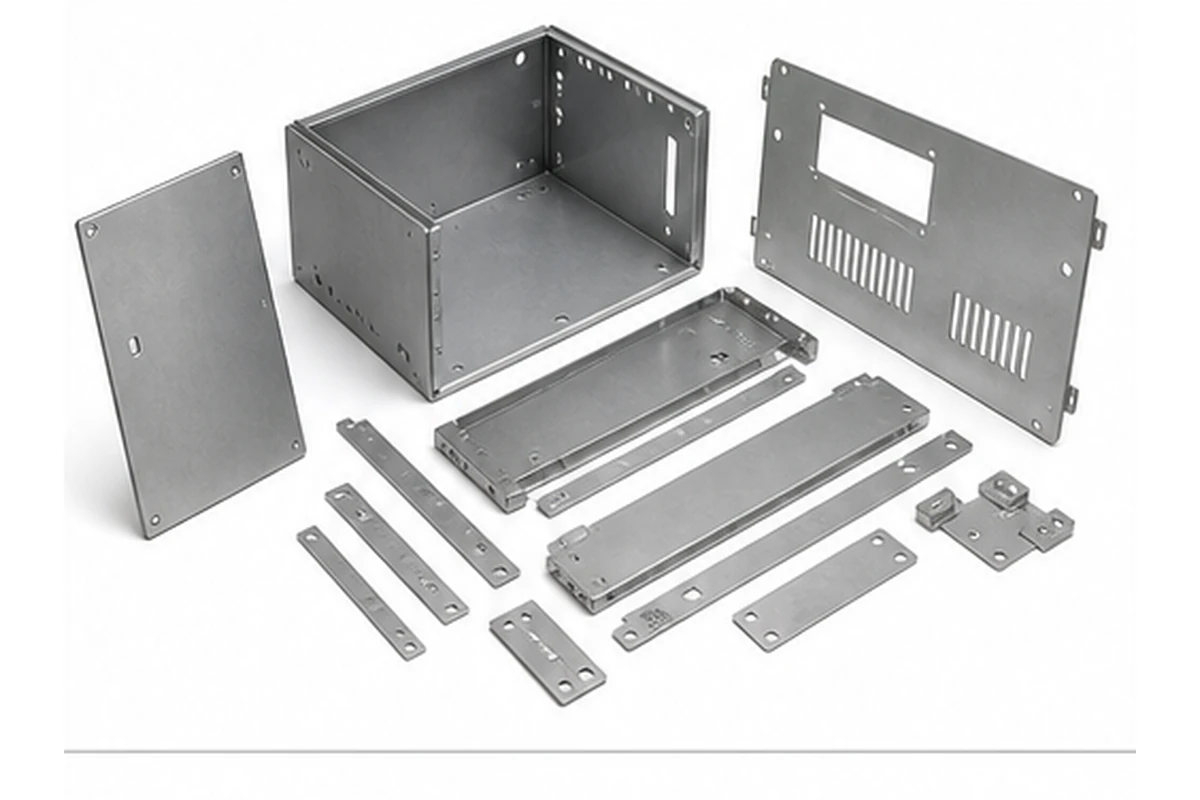
MSTFAB supports overseas OEM buyers who need custom sheet metal enclosure parts from approved drawings. Our process starts with file review and material confirmation, then moves through laser cutting, edge check and the agreed next step. For projects that need more than flat parts, we can also coordinate CNC bending, welding, powder coating, inspection and export packing under the same project workflow.
We are a better fit for drawing-based industrial parts than for generic catalog items. If your team needs cabinet panels, enclosure blanks, louver plates, back plates, brackets, rails or bend-ready shells made from your design, build-to-print sourcing can work well. If the drawing is incomplete, we will usually ask questions before quoting. That is not slow. That is how expensive surprises are asked to leave the room politely.
| Workflow step | What happens | Buyer value |
|---|---|---|
| 1. File review | DXF, STEP/STP and 2D drawing are checked for revision match and missing notes | Reduces quote gaps and wrong-revision production |
| 2. Material confirmation | Grade, thickness, finish and quantity are confirmed before cutting | Improves pricing accuracy and process planning |
| 3. Laser cutting | Approved geometry is cut for panels, blanks, brackets and enclosure parts | Creates repeatable flat parts for the next process |
| 4. Edge and feature check | Critical holes, slots, cutouts and burr requirements are reviewed | Helps avoid fit problems and incoming inspection issues |
| 5. Downstream handoff | Parts move to bending, welding, finishing, QC or packing if required | Keeps laser cutting aligned with the final enclosure use |
Inspection Evidence Buyers Can Request
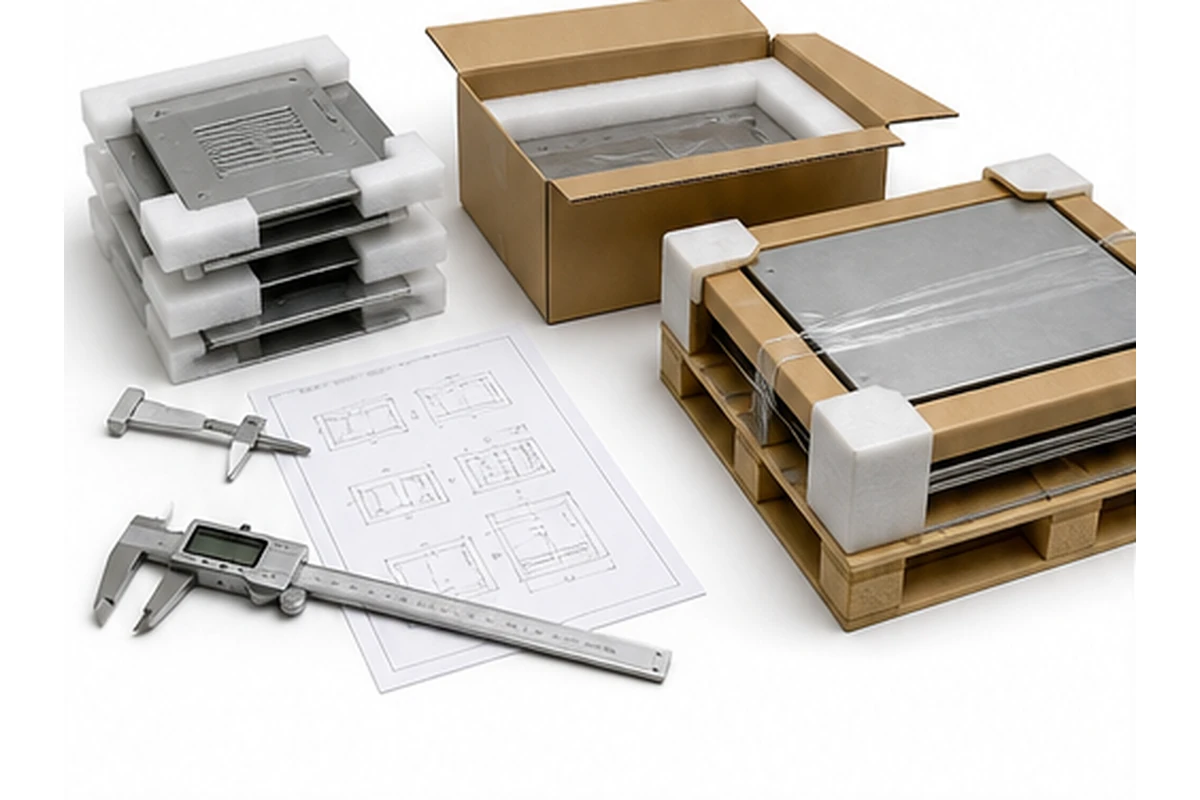
For repeat build-to-print orders, inspection should focus on the dimensions that matter to fit. Not every hole needs a dramatic report. But critical cutouts, mating holes, bend reference edges, panel dimensions and visible surfaces deserve clear checks. Buyers can request first-article photos, measurement records, material confirmation, process photos or packing photos depending on project risk.
For large or repeat orders, ask the supplier to identify critical-to-function features. These may include hinge holes, latch openings, rack rail holes, gasket-contact edges, mounting slots, gland plate openings and panel perimeter dimensions. A practical inspection plan helps the factory know what matters and helps the buyer trust the shipment before it leaves China.
Good inspection evidence is boring in the best way. It shows the drawing, the part and the measurement. It does not require heroic language. If the part is right, the caliper is usually more persuasive than an adjective.
Export Packing for Laser-Cut Sheet Metal Parts
Laser-cut sheet metal parts are not safe just because they are flat. Thin panels can bend. Powder-coated surfaces can scratch. Stainless surfaces can mark. Small brackets can disappear into the bottom of a carton like they are pursuing a new life. Export packing should be planned by part shape, material, finish, weight and unloading method.
For enclosure blanks and panels, MSTFAB can use foam separators, carton protection, pallet support and clear grouping. If parts are part of a kit, labels and packing order matter. The buyer should ask for packing photos before shipment release when visible surfaces or mixed part kits are involved.
Commercial Search Terms This Page Supports
Buyers searching for build-to-print laser cutting often use different wording at different stages. Some search for capability, such as build-to-print laser cutting services, precision sheet metal laser cutting, OEM laser cutting supplier or custom sheet metal laser cutting. Others search by project type, such as laser cut enclosure panels, laser cut sheet metal brackets, sheet metal enclosure blanks or laser cutting for cabinet parts.
This article is intentionally focused on the build-to-print buying situation: you have drawings, you need accurate metal parts, and you want a supplier that can flag manufacturing risks before production. For broader process capability, visit our Laser Cutting Services page. For full enclosure manufacturing, see Custom Sheet Metal Enclosure Fabrication and Metal Enclosure Box Fabrication.
Related MSTFAB Resources
For projects that move beyond flat laser cutting, useful pages include Sheet Metal Bending Services, Welding Services, Surface Treatment and Custom Sheet Metal Fabrication. For RFQ preparation, review What Files Are Needed for a Sheet Metal Fabrication Quote?, Sheet Metal Fabrication Cost for Enclosures or use the Online Laser Cutting Quotation Service.
FAQ
What are build-to-print laser cutting services?
They are laser cutting services where the factory manufactures parts according to the buyer’s approved drawings, DXF files, STEP files and tolerance notes. The supplier follows the design while checking obvious manufacturability risks before cutting.
Is build-to-print the same as design service?
No. Build-to-print means the buyer provides the design package. MSTFAB can give DFM feedback and manufacturing suggestions, but the project remains drawing-based and buyer-controlled.
What parts can MSTFAB laser cut from drawings?
MSTFAB can laser cut custom sheet metal enclosure blanks, cabinet panels, doors, covers, louver plates, gland plates, brackets, rail strips, hinge plates, mounting tabs and other semi-finished metal parts.
Which files are best for quotation?
Send DXF for flat profiles, STEP or STP for 3D reference, and 2D PDF or DWG drawings for tolerances, revision, material, thickness, finish, quantity and critical notes.
Can laser-cut parts also be bent, welded or powder coated?
Yes. Many enclosure projects start with laser cutting and then move to CNC bending, welding, surface finishing, inspection and export packing. The RFQ should define which downstream processes are required.
How can buyers reduce sourcing risk?
Use one approved drawing revision, define material and thickness, mark critical dimensions, explain visible surfaces, confirm burr and edge requirements, and ask for first-article photos or measurement records for key features.
Need build-to-print laser cutting for sheet metal enclosure parts?
Send your DXF, STEP/STP and 2D drawings with material, thickness, quantity, finish and packing notes. MSTFAB will review the drawing-based sheet metal fabrication scope before quotation.
 WeChat Contact
 WhatsApp Me Directly