
Quick Answer: If you need custom or one-off metal parts cut on a budget, stop hunting for “the cheapest laser cutter” and start hunting for the transparent one. The shops that win on price without cutting corners share three traits: they quote by cut length, material thickness, and how well your parts nest on the sheet (not by vibes); they charge zero tooling or NRE because a fiber laser needs no hard tooling; and they genuinely accept low and single-piece volumes instead of hiding a MOQ. Score candidates on a 7-dimension buyer scorecard, hold two non-negotiable hard gates — a real, video-auditable factory (D1) and material certification with PMI verification (D5) — and prove the winner with a paid trial order plus a First Article Inspection. The five supplier archetypes below are where affordable custom laser cutting actually lives.
Why “affordable,” “custom,” and “laser” belong in the same sentence
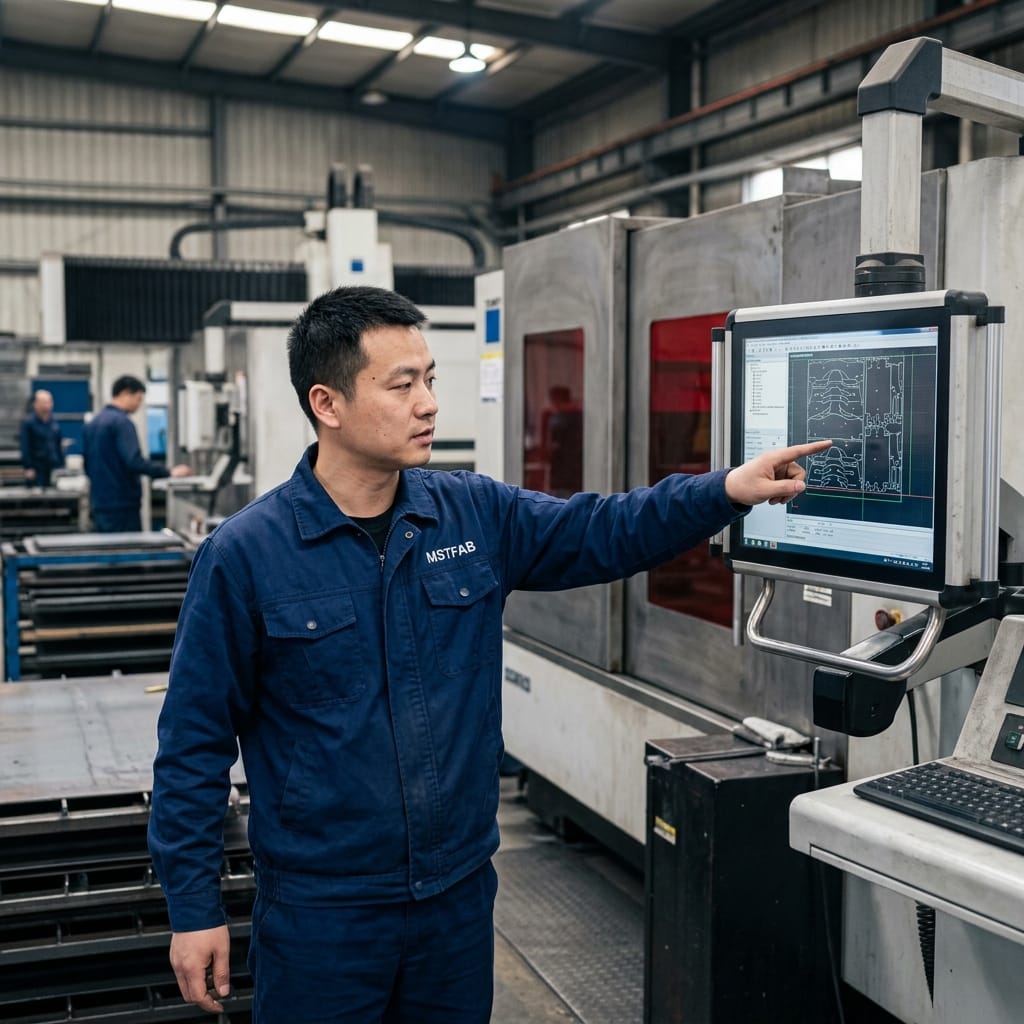
A decade on the buyer side has taught me one painful lesson: “cheap laser cutting” and “affordable laser cutting” are not the same animal. Cheap means someone skipped the PMI check, ignored kerf compensation, or quoted a price that quietly doubles once freight and a “small setup fee” appear. Affordable means the shop engineered the cost out — better nesting, thinner qualified stock, tolerances you can actually hold — so you pay less and still get a part that fits.
Laser cutting is uniquely friendly to custom and low-volume work precisely because it is tool-free. Unlike a stamping press or a die, a fiber laser cuts your DXF today and a completely different part tomorrow for the same price. That is why “affordable laser cutting for custom metal parts” is its own buying problem — separate from the general laser-ranking question and separate from the broad affordable sheet metal fabrication question. This article is the budget-and-custom slice of both, written for the buyer who needs five brackets on Tuesday, not five thousand housings next quarter.
The 7-Dimension Scorecard You Should Actually Use
Don’t rank shops by gut feel. Rank them on a scorecard. Here are the seven dimensions I weight for custom / low-volume laser work, in order:
A shop that clears D1 and D5 and scores well on D2 is affordable-custom-laser qualified. Everything else is tie-breaking.
The Five Supplier Archetypes (Your Top 5 Starting Point)
Because I won’t name specific firms — rankings I can’t personally verify are a disservice — here are the five archetypes that consistently deliver affordable custom laser cutting. Build your shortlist from these.
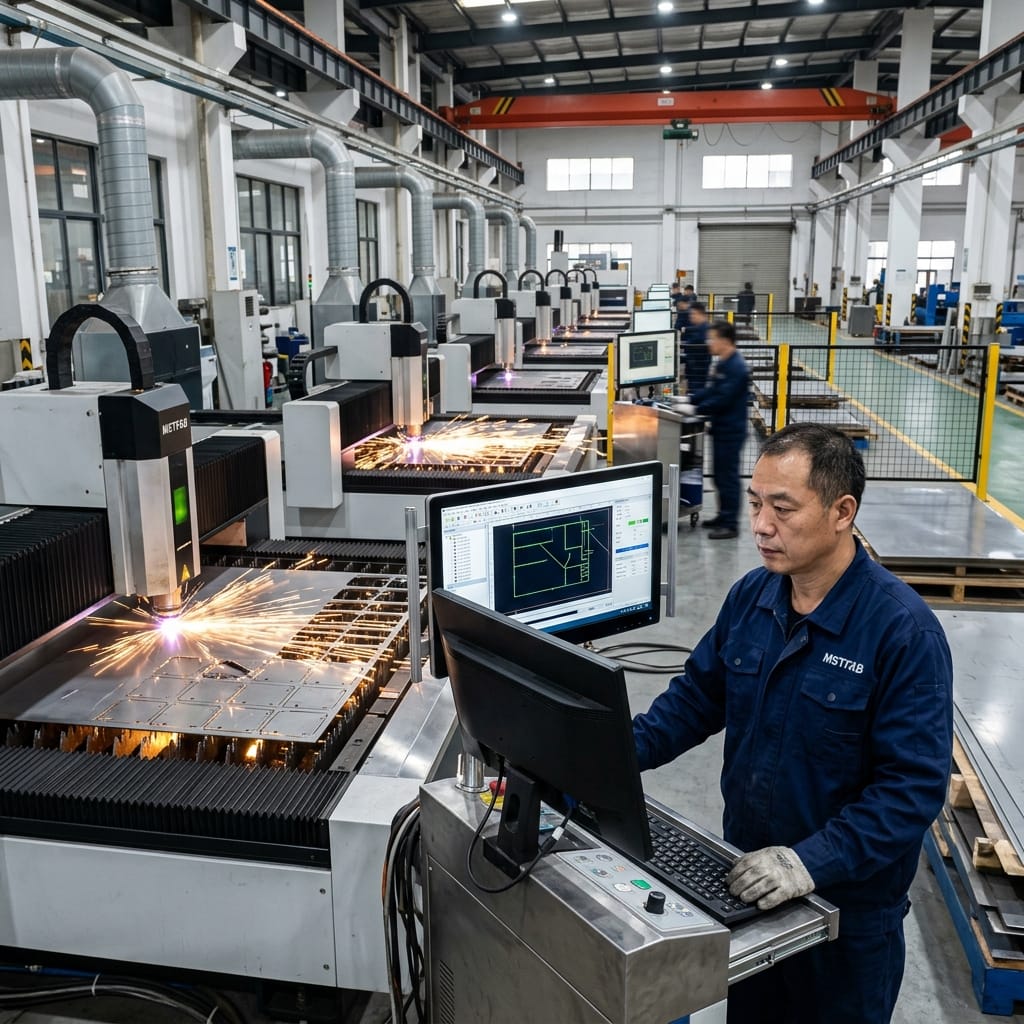
- Archetype 1 — The high-utilization fiber farm. Dozens of high-watt fiber lasers running near 24/7. Their edge is volume: low/minute machine time and aggressive nesting across many customers’ jobs, so your off-cuts become someone else’s part. Best for: straightforward profiles in mild steel, stainless, or aluminum. Watch for: they may deprioritize a 3-piece order behind a 3,000-piece one.
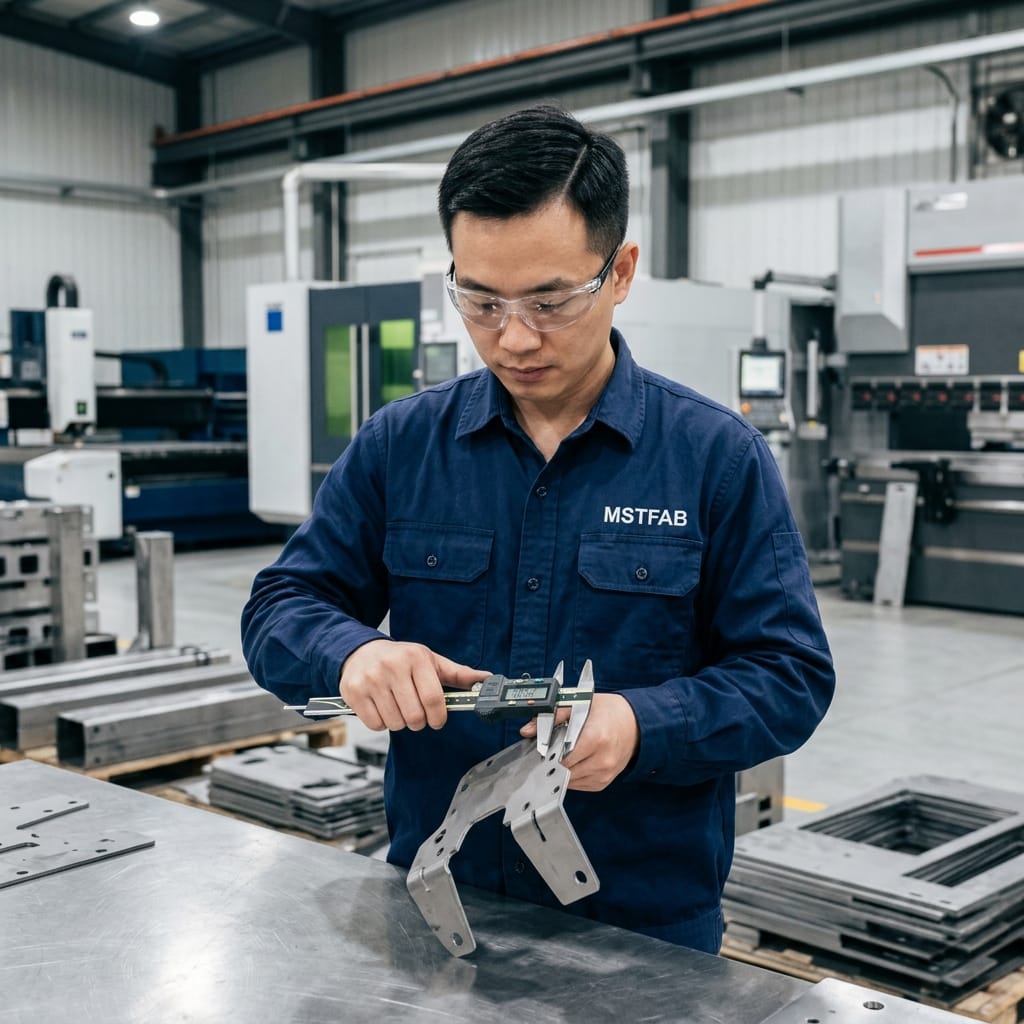
- Archetype 2 — The rapid-turn prototype laser shop. Small, fast, engineer-friendly. They live for one-off brackets and “I need it Thursday.” Their affordability comes from speed-to-quote and zero fuss, not rock-bottom /minute. Best for: early-stage custom parts. Watch for: they may not carry the certs (D5) for regulated work.
- Archetype 3 — The DFM co-engineering job shop. The shop that reads your DXF and says, “if you open this slot 0.2 mm and drop to 2.0 mm stock, this nests 11 to a sheet instead of 7.” Their savings are engineered, not discounted. Best for: cost-down on recurring custom parts.
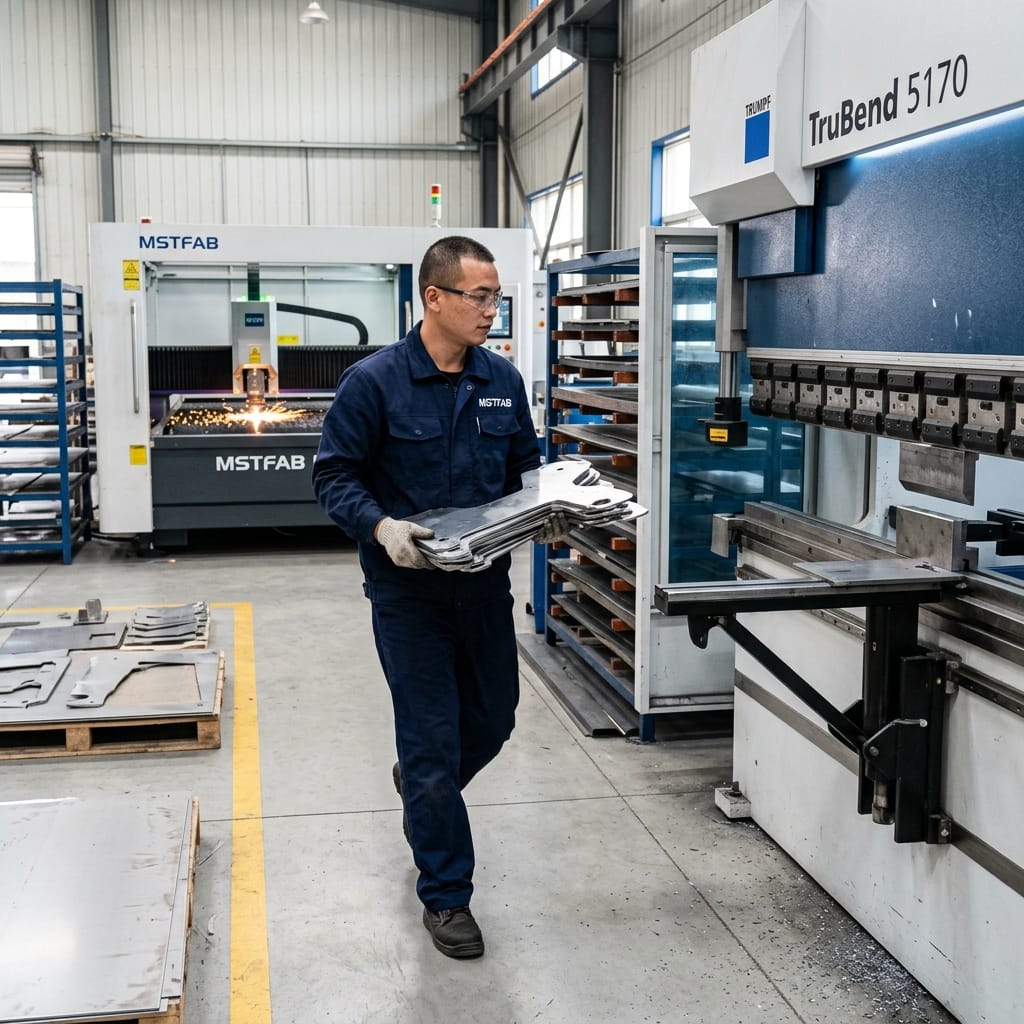
- Archetype 4 — The laser-plus-secondary hybrid. Laser cutting plus press brake, welding, and powder coat under one roof. You pay a bit more per cut but save on freight, handling, and the margin stack of three suppliers. Best for: custom parts that need bending or finishing.
- Archetype 5 — The regional / near-shore laser service. A shop in your own region or a close one. Not the cheapest/minute, but freight, duty, and lead-time risk drop to near zero. Best for: urgent custom parts and IP-sensitive work.
How to Build Your Own Affordable Laser-Cutting Top 5
- Pull 8–10 candidates spanning the five archetypes above.
- Run D1 (video audit) and D5 (cert + PMI) as hard gates — cut anyone who fails.
- Score the rest D2–D7 on a 1–5 scale, weighting D2 and D3 highest.
- Send an identical RFQ (same DXF, same tolerance) to the top four.
- Rank by total delivered cost plus D2 fit — not by headline price.
Prove It With a Trial Order + FAI
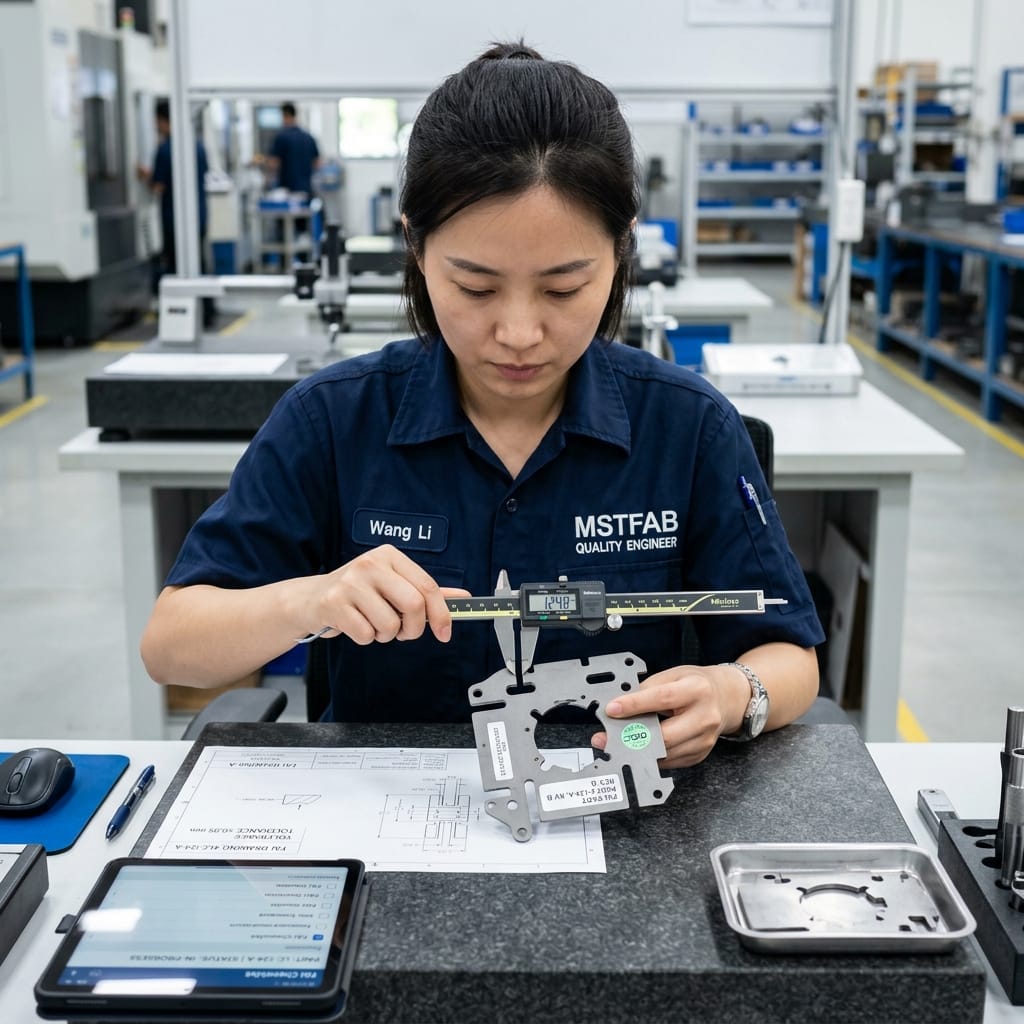
A cheap quote is a hypothesis. A trial order is the experiment. Send a representative custom part — include a “trap” feature (a tight slot, a thin web) that exposes sloppy kerf handling. Require a First Article Inspection report: dimensions versus drawing, material cert (D5), and a photo. Score the trial on quality, lead time, documentation, communication, and total cost. Only then promote a shop to “approved vendor.”
Cost Levers That Actually Make Custom Laser Cutting Affordable
- Nesting and off-cut reuse: The single biggest lever; ask the shop for its typical sheet utilization.
- Material grade and thickness: Drop from 3.0 to 2.5 mm where the analysis allows; qualify 304 instead of 316L unless corrosion demands it.
- Tolerances: Every tight tolerance costs money; tolerance only what actually mates.
- Batch smarts: Combine several custom parts into one nest and one PO.
- DFM: Radii over sharp internal corners, avoid features smaller than the kerf.
When NOT to Go Cheapest
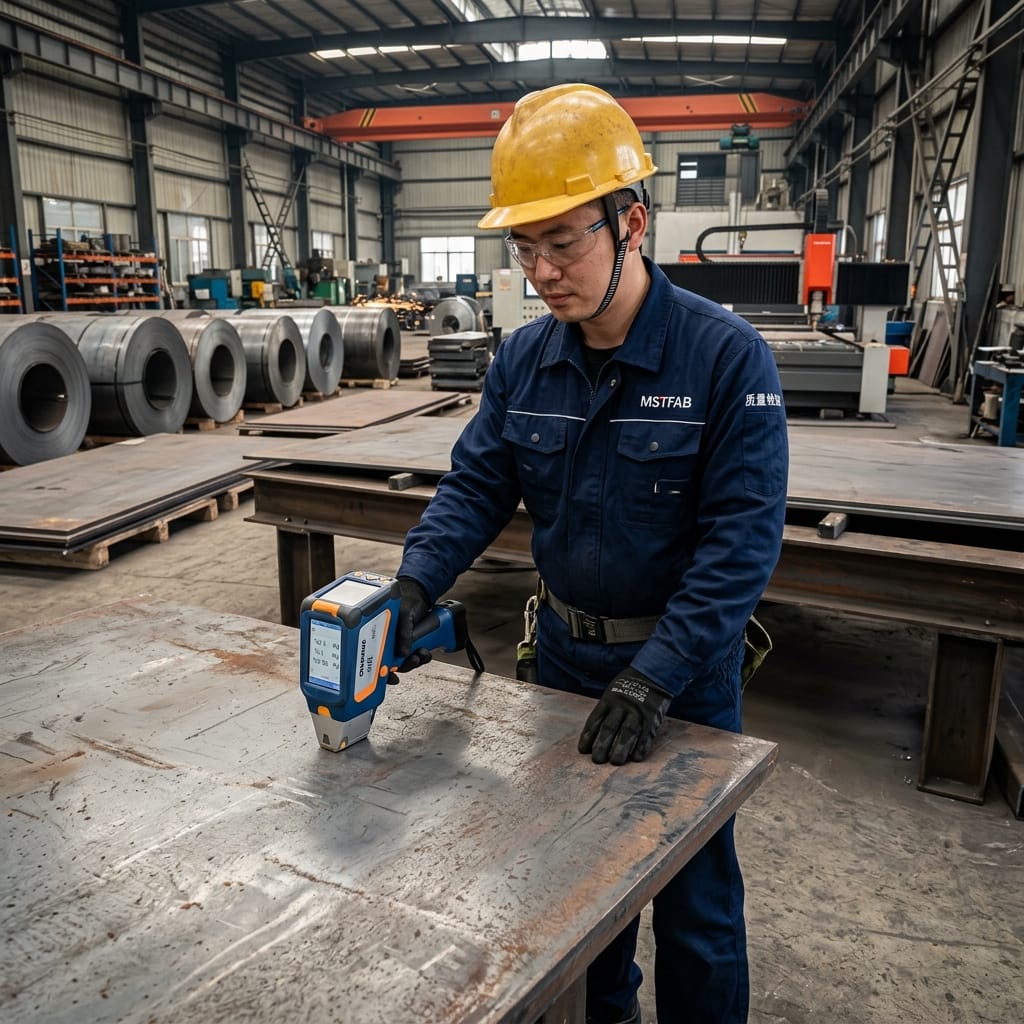
If the part is structural, load-bearing, goes inside a certified product, or touches a person, affordability is still achievable — but D5 (cert + PMI) and D4 (FAI) are mandatory, not nice-to-have. The “cheapest” shop that can’t produce a mill cert is not affordable; it is a liability wearing a discount sticker.
Red Flags of “Too Cheap” Laser Cutting
- No video-auditable factory (fails D1).
- No EN10204 3.1 and no PMI (fails D5).
- A “setup fee” on a tool-free laser (you are being padded).
- Kerf and bend allowances not mentioned in the quote.
- No FAI offered, ever.
- A price 40% under market with no explanation.
- Refuses to show nest utilization.
Key Takeaways
- Affordable custom laser cutting = transparent pricing + zero tooling NRE + real low-volume acceptance, not the lowest headline number.
- Hold two hard gates: a real, video-audited factory (D1) and material cert + PMI (D5).
- The D2 fit gate means custom / one-off friendly, DFM-driven cost-out, and fast turn.
- Use the five archetypes to build a shortlist; prove the winner with a trial order + FAI.
- Model total delivered cost, not unit price.
FAQ
How much does affordable custom laser cutting actually cost?
Honest pricing is per minute of machine time by thickness tier, plus material by weight, plus any finish — and the shop should show you nest utilization. For thin-gauge mild steel, the cut itself often runs from a few cents to a couple of dollars per simple part; the real money is in material, finish, and freight. Ask for the breakdown.
Is cheap laser cutting lower quality?
Not automatically. “Cheap” is a price; “affordable” is an outcome. A shop can be affordable because it nests well and does DFM, or cheap because it skips PMI and FAI. The difference shows up at D1 and D5 — verify the factory and the certs, and the price stops being a gamble.
Can I get a single one-off custom part laser cut affordably?
Yes — this is laser’s superpower. With no tooling, a 1-piece order costs the same setup as a 1,000-piece order: just machine time plus material. Pick Archetype 2 (rapid-turn prototype shop) or a fiber farm that accepts low volumes (check D2).
What should I specify to keep laser cutting cheap?
Send a clean DXF, tolerance only what mates, prefer standard sheet thicknesses, use radii not sharp internal corners, and let the shop nest. Ask for its DFM feedback — the cheapest custom part is often the one redesigned once.
How do I know an affordable laser cutter won’t cut corners?
Two hard gates do most of the work: a live video walkthrough of the plant (D1) and material certification with PMI on incoming stock (D5). Then run a paid trial order with a First Article Inspection on a part that includes a trap feature. If they clear all three, the low price is earned, not a trap.
 WeChat Contact
 WhatsApp Me Directly