
5052-H32 vs. 6061-T6 Aluminum: Which Alloy Should You Specify for Sheet Metal Parts?
Specify 5052-H32 aluminum for bent sheet metal enclosures, brackets, and chassis because it forms cleanly at a 1t inside bend radius without grain cracking. Reserve 6061-T6 aluminum for flat laser-cut plates, CNC-machined blocks, or rigid structural frames where 276 MPa yield strength outweighs press-brake formability.
- Minimum Bend Radius (Formability): 5052-H32 bends reliably at 1.0x sheet thickness (1t) across 1.0 mm to 4.0 mm gauges; 6061-T6 requires a 3t to 6t inside bend radius to prevent outer-fiber cracking.
- Yield Strength & Rigidity: 6061-T6 delivers ~276 MPa (40 ksi) yield strength versus ~193 MPa (28 ksi) for 5052-H32.
- Corrosion & Marine Durability: 5052-H32 (2.5% Mg) resists salt spray and marine atmospheres better than copper-bearing 6061-T6 for outdoor NEMA 4X / IP66 housings.
- OEM Cost Impact: Raw sheet price differs by only 5%–12%, but forcing tight 90° bends on 6061-T6 increases scrap and unit fabrication cost by 25%–40%.
AL 5052-H32 and 6061-T6 aluminum are both widely used in OEM manufacturing, but they are not interchangeable. 5052-H32 is usually the better fit for bent sheet metal parts, while 6061-T6 is often stronger for machined or more rigid structural components.
For buyers, the expensive mistake is choosing an alloy from a datasheet alone without checking how it will bend, weld, anodize, assemble and survive in the real service environment.
Quick Answer for OEM Buyers
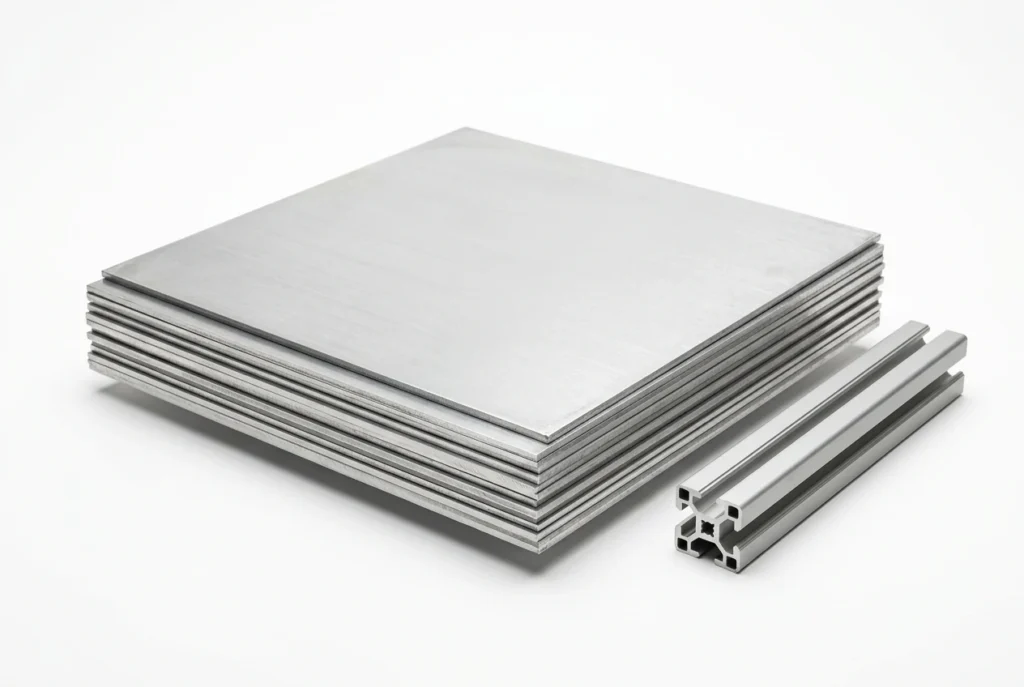
If the product is a formed enclosure, outdoor panel, telecom cabinet or marine-facing sheet metal assembly, 5052-H32 is often the safer fabrication choice. If the product is a rigid bracket, machined support or structural component where stiffness matters more than complex bending, 6061-T6 is usually worth evaluating.
| Buyer question | Practical answer |
|---|---|
| Best for formed sheet metal | 5052-H32 |
| Best for rigid machined parts | 6061-T6 |
| Main hidden risk | Choosing strength without checking bendability, deformation or finish quality |
| Best first question | Will the part be bent, welded, machined, anodized or exposed to marine conditions? |
Why Aluminum Selection Becomes a Procurement Problem
Many RFQs treat aluminum as a single category because both alloys are light, corrosion-resistant and attractive after finishing. In production, however, they behave differently during bending, welding, machining and anodizing. That gap between the drawing and the shop floor is where scrap, delays and rework appear.
| Procurement risk | What it causes | What buyers should verify |
|---|---|---|
| Using 6061-T6 on complex bent parts | Cracks, scrap and inconsistent forming | Bend geometry, radius and alloy suitability |
| Using 5052-H32 for high-load machined parts | Insufficient rigidity or unnecessary redesign | Load path and machining requirement |
| Ignoring weld heat effect | Warping and weakened assemblies | Weld sequence, fixtures and allowable distortion |
| Poor scratch control before anodizing | Visible surface defects after finishing | Handling, film protection and inspection route |
| Assuming all aluminum behaves the same outdoors | Premature corrosion or coating failure | Service environment and finish strategy |
5052-H32 vs 6061-T6: The Practical Difference
5052-H32 contains magnesium and is valued for corrosion resistance, formability and weldability. 6061-T6 is heat-treated for higher strength and machining performance, but the same hardness that helps structure can make it less forgiving in bent sheet metal work.
| Attribute | 5052-H32 | 6061-T6 |
|---|---|---|
| Main advantage | Formability and corrosion resistance | Strength and machinability |
| Bending behavior | Very good for sheet metal forming | More limited; cracking risk rises on tighter bends |
| Weldability | Good | Usable, but heat-affected strength matters more |
| Marine exposure | Excellent fit for many marine-facing products | Good, but often selected for structure rather than marine formability |
| Machining | Moderate | Strong |
| Typical OEM use | Enclosures, covers, cabinets, outdoor panels | Brackets, machined blocks, frames, supports |
What MSTFAB Checks Before Recommending an Aluminum Alloy
This guide follows the same review logic used in MSTFAB project discussions: start with the finished product, not the raw material label. The team reviews shape, bending depth, expected load, environment, finish route and tolerance before confirming the alloy.
| MSTFAB review point | Why it matters |
|---|---|
| Part geometry | Shows whether the product is a formed panel or a rigid support |
| Bend count and radius | Separates fabrication-friendly designs from crack-prone designs |
| Load and stiffness demand | Confirms whether 6061-T6 strength is truly required |
| Service environment | Guides marine, humid or general indoor material selection |
| Finish route | Connects alloy choice to anodizing, cosmetic appearance and inspection |
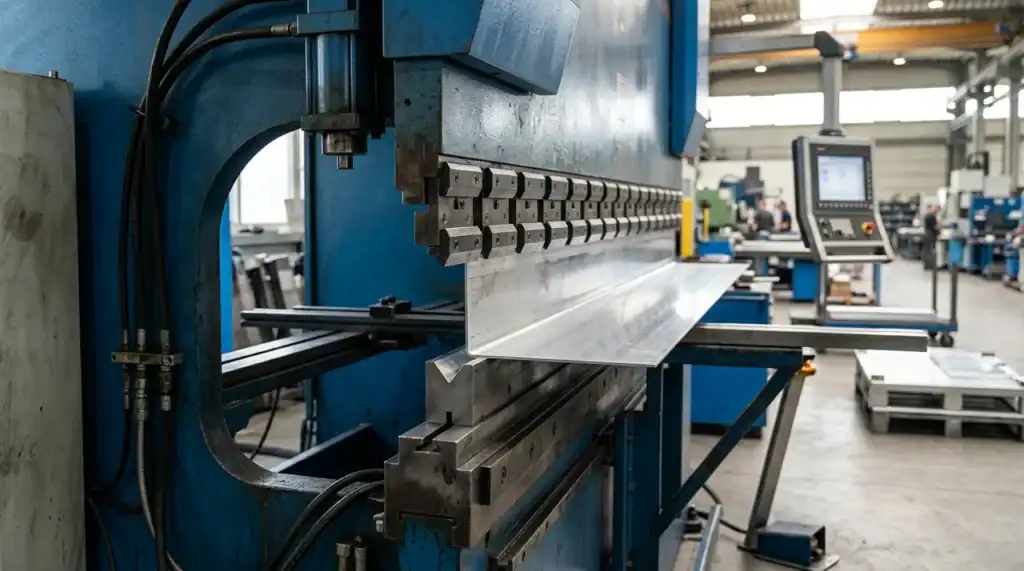
Why 5052-H32 Is Usually Better for Bent Sheet Metal
5052-H32 is often selected for EV charging enclosures, telecom cabinets, marine housings and outdoor electrical systems because it handles forming operations more predictably. For repeated bends, tighter corners and cosmetic panels, that stability can matter more than nominal strength.
Choosing 6061-T6 for a deep-formed enclosure may create avoidable risks such as edge cracking, springback variation and higher scrap during bending.
| Fabrication concern | 5052-H32 | 6061-T6 |
|---|---|---|
| Repeated bends | Usually more forgiving | Needs tighter engineering review |
| Tight inside radius | Better fit | Higher crack risk |
| Large cosmetic panels | Often preferred | May add avoidable forming risk |
| Best buyer question | Is this part mainly a bent enclosure or mainly a rigid structural component? | |
Why 6061-T6 Is Stronger for Machining and Structural Parts
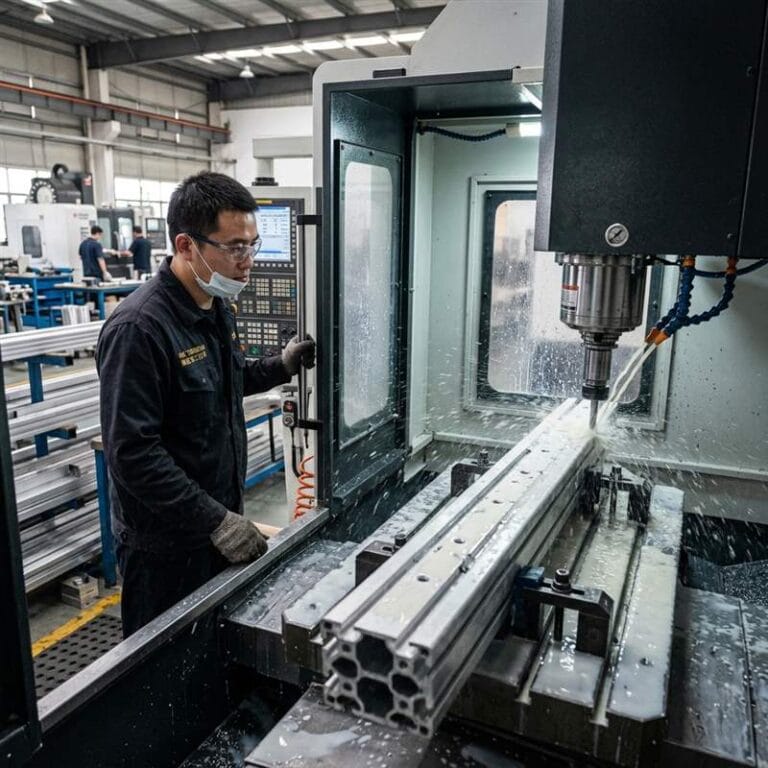
6061-T6 is often a better fit when products need higher rigidity, load-bearing support or clean CNC machining performance. Typical examples include mounting blocks, machined brackets, structural frames and precision support components.
The important buyer question is whether that extra strength is truly needed. If the part is primarily a bent sheet metal shell, 6061-T6 may increase cost and fabrication risk without solving the actual problem.
The Biggest Buyer Pain Point: Aluminum Deformation During Fabrication
Aluminum moves heat quickly. Without correct sequencing, fixturing and weld control, large panels can warp, holes can drift and thin-wall assemblies can lose alignment. This is especially painful on cabinet doors, visible front panels and large welded housings.
| Failure mode | Typical result | Control route |
|---|---|---|
| Unmanaged weld heat | Warped doors or twisted frames | Fixture planning and weld-sequence review |
| Poor forming compensation | Assembly gaps and hole mismatch | Material-aware bending parameters |
| Thin-wall panel instability | Visible waviness and fit-up issues | Geometry review and reinforcement planning |
Corrosion Resistance Depends on Where the Product Lives
5052-H32 is widely preferred for marine and humid environments because of its strong resistance to salt-related corrosion. 6061-T6 also offers good corrosion resistance, but outdoor alloy selection should still be based on actual exposure, joints, fasteners, drainage and finishing strategy rather than on a generic promise that all aluminum is weather-ready.
| Environment | Usually better starting point | Buyer note |
|---|---|---|
| Marine or coastal exterior | 5052-H32 | Strong corrosion resistance and good fabrication behavior |
| General indoor equipment | Depends on structure | Choose by forming versus rigidity need |
| Machined structural brackets | 6061-T6 | Strength and machining can outweigh formability |
| Outdoor visible housings | 5052-H32 is often reviewed first | Finish route still matters |
Anodizing Quality Starts Before the Anodizing Tank
Anodizing can improve durability and appearance, but it does not hide careless fabrication. Scratches, weld marks, oil contamination and inconsistent grinding often become more obvious after finishing. Buyers should review the full process chain, not only the final color sample.
| Surface issue | What buyers see later | Preventive review |
|---|---|---|
| Handling scratches | Visible marks after anodizing | Protective film and controlled stacking |
| Uneven grinding | Color or texture inconsistency | Finish standard before release |
| Weld contamination | Different appearance around joints | Weld treatment and surface preparation |
| Oil residue | Patchy finish or adhesion issue | Cleaning process and inspection |
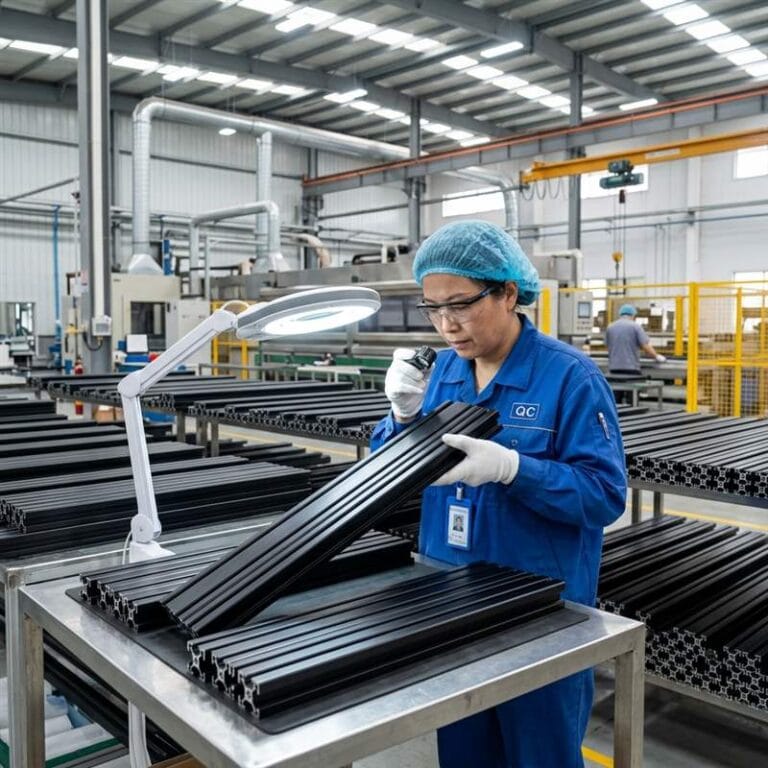
Why Integrated Aluminum Fabrication Lowers OEM Risk
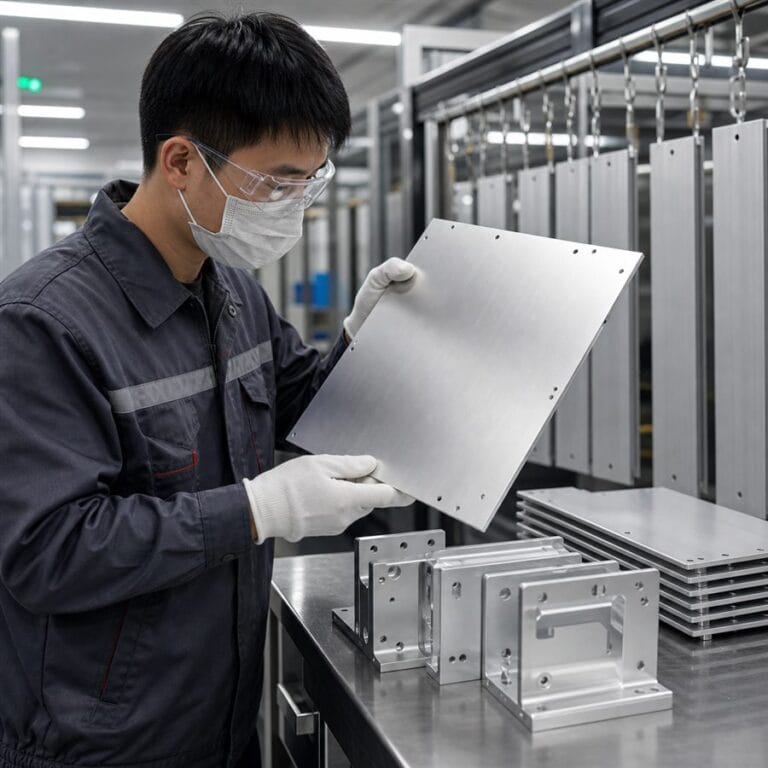
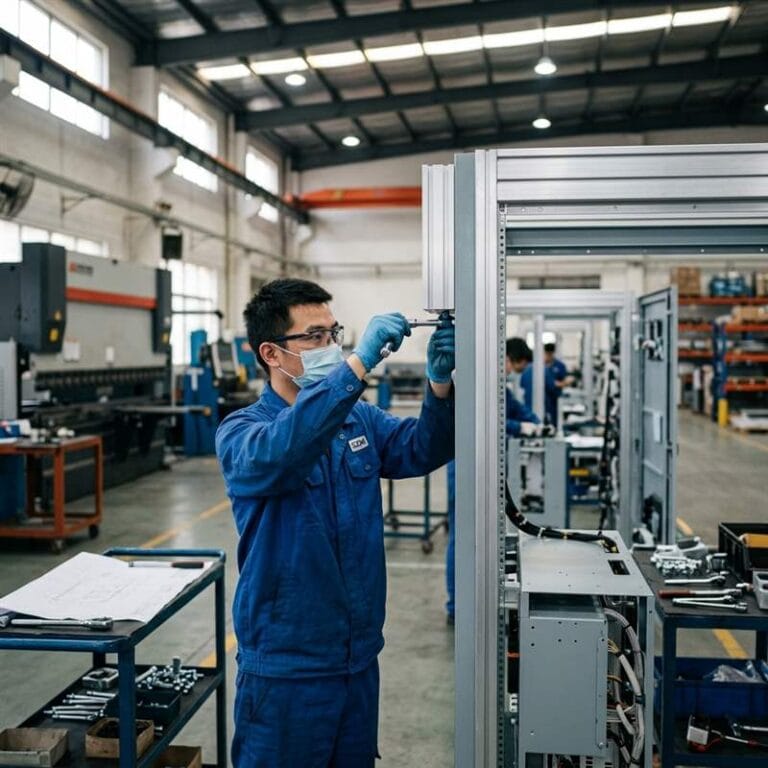
When cutting, bending, welding, anodizing preparation and final assembly are split across several suppliers, every handoff creates a chance for tolerance mismatch, handling scratches and disputed responsibility. Integrated production keeps the alloy decision connected to the way the part will actually be manufactured.
| Review item | Why it lowers OEM risk |
|---|---|
| Alloy matched to part function | Prevents over-specification and forming failures |
| Bending, welding and machining reviewed together | Reduces downstream rework |
| Surface-finish route defined early | Improves anodizing consistency |
| Scratch-control plan | Protects premium visible parts |
| Export packaging standard | Reduces abrasion before installation |
When Each Alloy Is the Wrong Choice
5052-H32 is not automatically the best answer for high-load structural parts or precision-machined components. 6061-T6 is not automatically the best answer for every premium-looking product if that product still needs repeated bends or cosmetic forming. The right alloy is the one that fits the whole manufacturing route.
| Product need | Better starting alloy | Reason |
|---|---|---|
| Complex bent enclosure | 5052-H32 | Better formability and lower crack risk |
| Marine-facing cabinet | 5052-H32 | Strong corrosion resistance |
| Machined structural bracket | 6061-T6 | Higher strength and machining performance |
| Large visible front panel | 5052-H32 | Usually easier to form and finish consistently |
| Precision support block | 6061-T6 | Better fit for rigid machined geometry |
How MSTFAB Helps OEM Buyers Reduce Aluminum Risk
- Review of real product use, not only the drawing title block
- Selection support for 5052-H32 and 6061-T6 applications
- Process review for bending, welding, machining and anodizing preparation
- Scratch-control handling for premium visible surfaces
- Export packing review for appearance-sensitive aluminum products

Conclusion
AL 5052-H32 and 6061-T6 both have important roles in modern OEM fabrication, but they answer different manufacturing questions. 5052-H32 is usually the safer route for bent, corrosion-resistant sheet metal products. 6061-T6 is often the stronger route for machined and more rigid structural parts.
For procurement teams, the best result comes from matching the alloy to the complete manufacturing path: forming, welding, machining, finishing, assembly and service environment.
FAQ
Which is better for sheet metal bending, 5052-H32 or 6061-T6?
5052-H32 is usually better for bent sheet metal parts because it is more formable and less likely to crack on tighter bends.
When should buyers choose 6061-T6 instead?
6061-T6 is often better for rigid structural parts, machined brackets and applications where higher strength or machining performance matters more than deep forming.
Is 5052-H32 suitable for marine environments?
Yes. 5052-H32 is widely selected for marine-facing and humid applications because of its strong corrosion resistance.
Why do aluminum parts deform during welding?
Aluminum transfers heat quickly, so poor weld sequencing, weak fixturing or thin-wall geometry can cause warping and alignment issues.
Does anodizing hide scratches?
No. Scratches and grinding inconsistency often become more visible after anodizing, so surface handling must be controlled before finishing.
Need Help Choosing 5052-H32 or 6061-T6?
Send your drawings, service environment, surface-finish requirement and expected annual volume. MSTFAB can review whether 5052-H32, 6061-T6 or another material route is the most practical choice before production starts.
Request an aluminum fabrication review
custom sheet metal enclosure fabrication
MSTFAB manufactures custom sheet metal enclosures, electrical cabinets, control boxes and industrial metal housings for OEM buyers.
 WeChat Contact
 WhatsApp Me Directly